
Hundreds Displaced as Israeli Forces Bulldoze Homes in Hebron
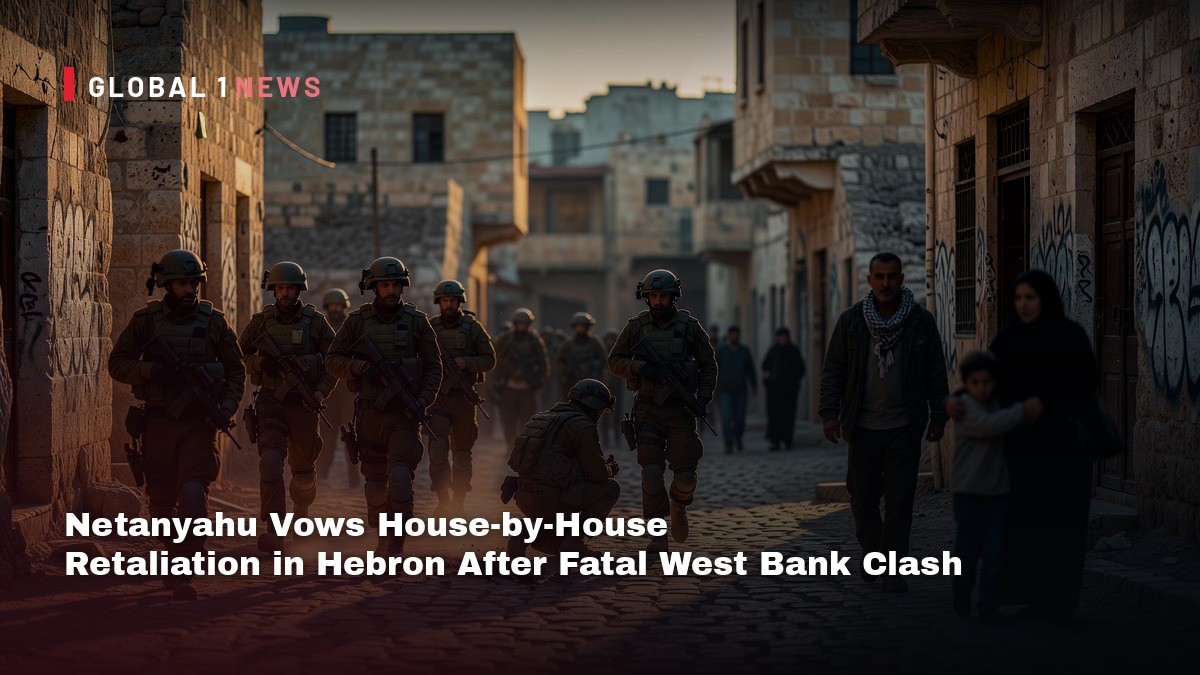
In a stark display of force that has reverberated through the streets of Hebron, Israeli troops have sealed every road leading in and out of the city while bulldozers tear down homes across the occupied West Bank.
In a stark display of force that has reverberated through the streets of Hebron, Israeli troops have sealed every road leading in and out of the city while bulldozers tear down homes across the occupied West Bank. The operation, which began after an attack that claimed the lives of two Israeli soldiers, has left more than a thousand residents told to abandon their houses, according to officials on the ground. As the nation heads toward a national election, the sweeping demolition has drawn sharp criticism from human‑rights groups, who argue that the response punishes entire neighborhoods rather than the individuals responsible for the attack.
Context of the Hebron Operation
The latest round of demolitions in Hebron follows a pattern of collective punishment that has been a hallmark of the Israeli military’s response to attacks in the occupied territories. In this case, the trigger was an assault that resulted in the death of two Israeli soldiers, a loss that the Israeli Defense Forces (IDF) framed as a justification for a broad security sweep. While the IDF has not issued a public statement on the specific tactics employed, the sealing of every road in and out of Hebron signals a coordinated effort to isolate the city and prevent any movement of suspected militants.
Human‑rights organizations, which have long monitored the situation in the West Bank, contend that such sweeping measures affect civilians indiscriminately. Families who have lived in Hebron for generations—some in homes that have been passed down through ejidos and colonias—find themselves suddenly labeled as security risks. The demolition of homes, a tactic that has been used repeatedly in the past, not only displaces families but also erodes the social fabric of the city, disrupting markets, schools, and the daily rhythms of life.
For many residents, the sight of bulldozers moving through narrow alleys evokes memories of past incursions, when similar operations left entire blocks in ruins. The current wave of demolitions, however, appears more extensive, with reports indicating that over a thousand people have been instructed to leave their homes. The scale of the displacement raises concerns about the humanitarian impact, especially as winter approaches and families scramble for shelter and basic supplies.
The Human Toll on Families
Among the displaced are families whose livelihoods depend on small businesses, such as tianguis stalls and family‑run tortillerías. The sudden loss of a home often means the loss of a storefront, thrusting owners into economic precarity. Mothers with young children speak of packing their belongings in haste, fearing that the next bulldozer will arrive before they can retrieve essential items. The emotional weight of watching a home—sometimes the only tangible link to a family's past—being reduced to rubble is palpable in the testimonies collected by local activists.
Community leaders have described the situation as a collective trauma. In neighborhoods where the social network functions like an extended family, the forced evacuation has fractured support systems that traditionally help families cope with economic hardship. The displacement also threatens the continuity of education for children, who now face uncertain commutes to schools that may be located farther away or, in some cases, are themselves under threat of closure due to security restrictions.
Human‑rights groups have warned that the demolition of homes as a punitive measure violates international humanitarian law, which calls for proportionality and distinction between combatants and civilians. While the IDF has not responded to requests for comment, the pattern of collective punishment raises serious questions about the legality and morality of the operation. The families left in limbo are now dependent on NGOs and charitable organizations for temporary shelter, food, and medical care, stretching already limited resources in the region.
Strategic Timing Ahead of Elections
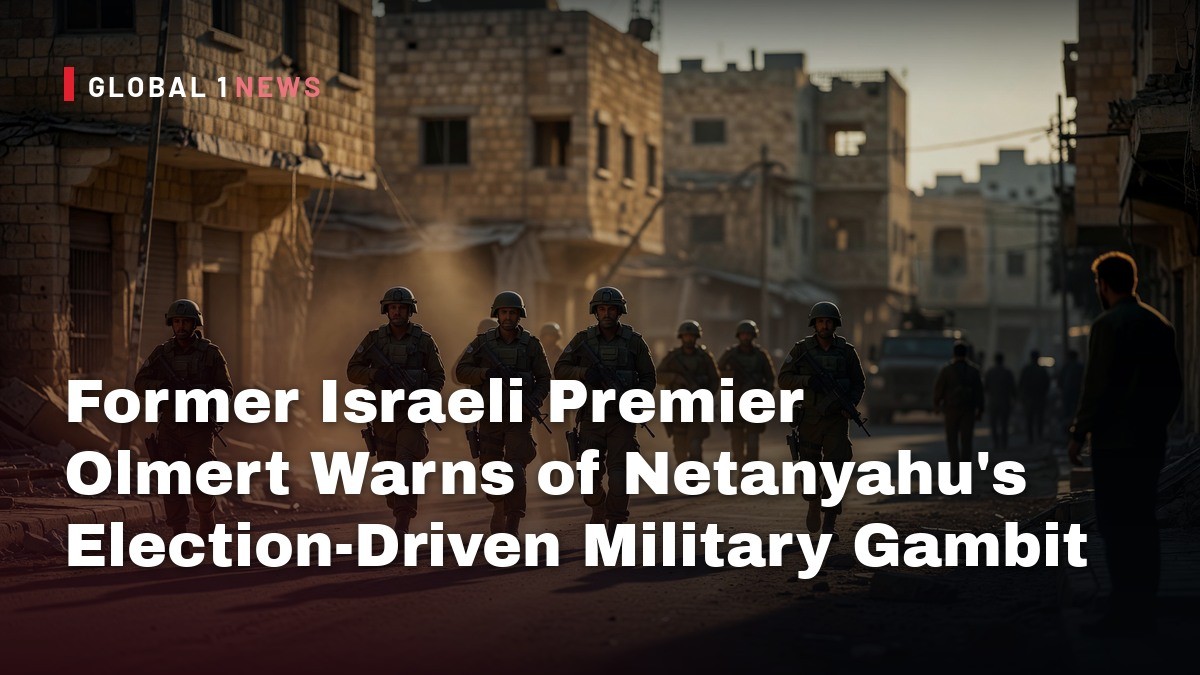
The timing of the Hebron operation is noteworthy, occurring as Israel moves toward a national election. Analysts suggest that security operations of this magnitude can influence public sentiment, framing the incumbent government as tough on security threats. By presenting a decisive response to the attack that killed two soldiers, political leaders may aim to consolidate support among voters who prioritize security concerns.
However, the backlash from international observers and human‑rights advocates could also shape the electoral narrative. Critics argue that leveraging a tragic loss of life to justify widespread punitive measures undermines democratic principles and human rights. The tension between security imperatives and democratic accountability is a recurring theme in Israeli politics, especially as the electorate grapples with the costs of prolonged conflict.
In the broader context of the West Bank, the Hebron demolitions may also serve as a deterrent signal to other Palestinian communities. By demonstrating a willingness to employ large‑scale demolition and road closures, the Israeli military may hope to discourage future attacks. Yet such tactics risk deepening resentment and fueling cycles of violence, as affected families and their neighbors may view the measures as collective punishment rather than targeted security actions.
International Reaction and Media Coverage
Global media outlets, including DW News, have highlighted the plight of Hebron’s displaced families, bringing international attention to the operation. The video report underscores the scale of the demolition and the human stories behind the statistics, emphasizing that more than a thousand people have been told to leave their homes. While the report notes that the IDF has not provided a comment, the lack of official response adds to the sense of opacity surrounding the operation.
International human‑rights organizations have called for an independent investigation into the demolitions, urging the Israeli authorities to adhere to international law and to ensure that any security measures are proportionate and discriminate between combatants and civilians. The United Nations and the European Union have previously expressed concern over similar operations, and the current developments in Hebron are likely to be raised in diplomatic forums and at the United Nations Human Rights Council.
The coverage also raises questions about media access and the ability of journalists to report from within the city. With every road sealed, movement for reporters is severely restricted, limiting on‑the‑ground verification. Nonetheless, the footage captured by DW News provides a visual record of the bulldozers and the displaced families, offering a stark reminder of the human cost behind the headlines.
Impact on Daily Life and Local Economy
The sealing of all roads in and out of Hebron has crippled the city’s daily rhythm. Commerce, which relies on the flow of goods and customers, has been stifled. Markets that once bustled with activity now see fewer shoppers, as residents are either confined to their neighborhoods or forced to seek refuge elsewhere. The disruption extends to public services; health clinics and municipal offices face challenges in reaching the population, and supply chains for essential goods like food and medicine are strained.
For workers who commute to jobs in nearby industrial zones or to the CFE power stations, the road closures present a logistical nightmare. Many are left without a means to travel, risking loss of income and the ability to support their families. The economic shock reverberates beyond the immediate area, affecting the broader regional economy that depends on the labor and trade generated by Hebron’s workforce.
In addition to the immediate economic fallout, the psychological impact of living under constant military presence cannot be understated. Residents report a heightened sense of insecurity, with the sound of bulldozers and the sight of armed soldiers becoming part of the daily soundscape. This environment erodes trust in public institutions and fuels a climate of fear that can have long‑term consequences for community cohesion and mental health.
Looking Ahead: Prospects for Resolution
As the demolition continues and families remain displaced, the question of how the situation will be resolved looms large. Human‑rights groups call for an immediate halt to the demolitions and for the establishment of safe corridors that would allow displaced families to return to their homes or to receive adequate compensation and relocation assistance. The Israeli authorities, meanwhile, have framed the operation as a necessary security measure, suggesting that any easing of restrictions will depend on the cessation of attacks against Israeli forces.
In the longer term, the Hebron episode underscores the need for a political solution that addresses both security concerns and the rights of Palestinian civilians. The ongoing cycle of violence and punitive measures deepens mistrust and hinders any progress toward a negotiated settlement. As Mexico watches these developments, the parallels with our own struggles for justice and human rights resonate, reminding us of the importance of defending the dignity of families caught in the crossfire of larger geopolitical conflicts.
For now, the families of Hebron endure a harsh winter in temporary shelters, hoping for a return to normalcy that remains uncertain. Their story, captured in the DW News footage, serves as a stark reminder that behind every headline of security operations lie the lived experiences of ordinary people—mothers, fathers, children—who bear the brunt of policies that prioritize force over dialogue. The international community, civil society, and the parties directly involved must grapple with this reality as they chart a path forward.
By Rosa Martinez, Staff Writer
This article was produced with AI-assisted research and editorial support. Reporting is based on the source material cited below. Sources: DW News video report (24 October 2026); DW News; Global1.News
What's Your Reaction?
 Like
0
 Dislike
0
 Love
0
 Funny
0
 Wow
0
 Sad
0
 Angry
0

Latin America/Andes Correspondent at Global1.News. Based in Bogota, covering politics, environment, energy, and social movements across the Andean region. Passionate about environmental journalism and communities protecting their land.











Comments (0)