
How Mexico City’s pet boom is creating new income opportunities
In the bustling streets of Mexico City, a new kind of hustle is taking shape, one that blends the love of companion animals with the need for flexible income.
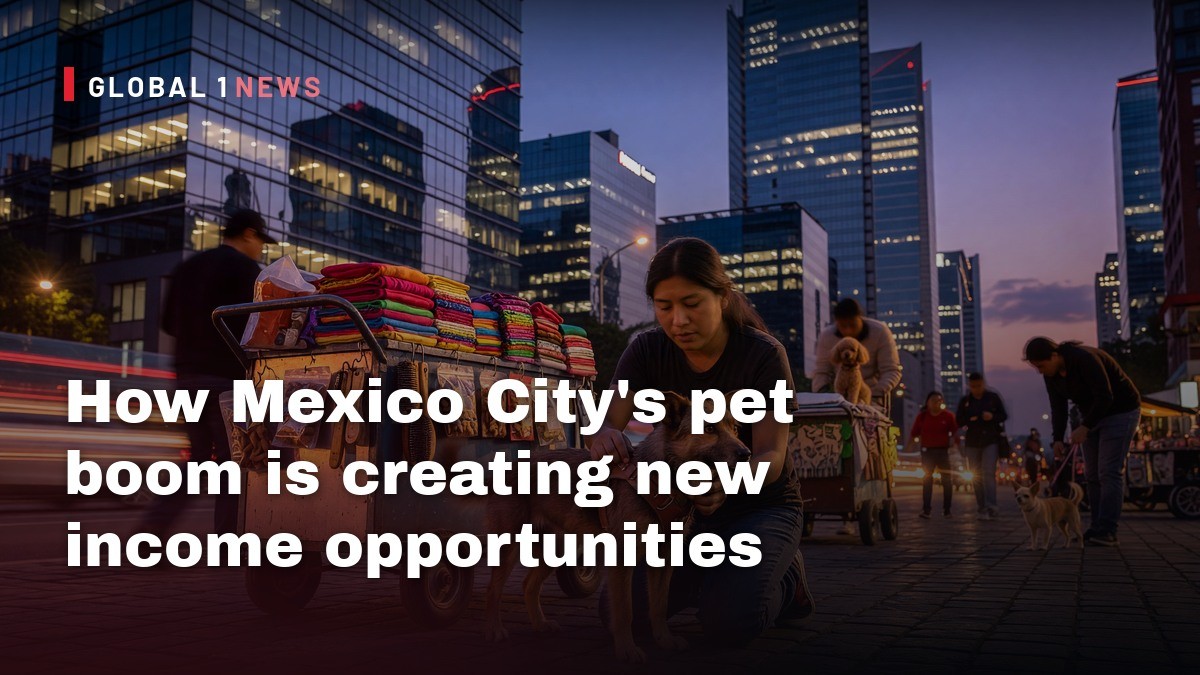
In the bustling streets of Mexico City, a new kind of hustle is taking shape, one that blends the love of companion animals with the need for flexible income. For freelancers like Haydé, a 37‑year‑old yoga instructor and remote marketer, the city’s pet boom has become a lifeline, turning her mornings into a parade of whiskers and wagging tails while keeping the lights on for her household. This story follows her journey and the broader wave of pet‑care gig work that is reshaping how Mexico’s working families make ends meet.
From audiovisual setbacks to “La Wera de los Gatos”
Haydé’s pivot to pet sitting was born out of necessity. After years in audiovisual production, she lost her job and “had to learn to regroup,” a reality many Mexicans face as formal employment contracts shrink. She turned to the emerging pet‑care market, adopting the nickname “La Wera de los Gatos,” or “The Blonde Cat Lady,” to brand her new service.
Her days now begin with two yoga classes, after which she hops on public transit to tend to a roster of feline and canine clients. By 8 a.m. she is feeding Tamago and Spock, then moving on to Selina, Trixie, Beast, and later in the afternoon, Botas and Bigotes. Each visit lasts about an hour, during which she feeds, refills water bowls, plays, and even talks to the animals in “silly voices” to help them warm up to her presence. When medication is required, she administers it, adding a layer of responsibility that goes beyond simple pet sitting.
The economics of pet care in Condesa and Roma
Haydé’s rates reflect the geography of the capital. In the Condesa and Roma neighborhoods—close to her home—she charges 300 pesos per visit, a price comparable to a typical yoga class. For locations farther away, the fee rises modestly, acknowledging the extra commute cost on public transit. A dog walk carries the same flat rate, but Haydé limits herself to one or two dogs at a time, citing safety concerns. She jokes that friends call her an “Uber Premium” service, emphasizing the personalized attention she provides.
By contrast, other dog walkers in the area can charge as little as 80 pesos per animal, a rate that seems modest until the costs accumulate over many days. One client, Miroslava, who also teaches yoga, notes that while the individual expense appears small, “when the days add up, it really takes a toll.” This disparity highlights how price points vary widely across the informal pet‑care sector, depending on the provider’s model and the level of service offered.
Gig work as a response to rising unemployment and underemployment
Mexico’s labor market in 2026 shows a paradox: while the official unemployment rate rose to 3 % in August, representing nearly two million jobless citizens, underemployment affects about 7 % of the population, or roughly 4.3 million people who work fewer hours than they need. The surge in informal work, including pet sitting and dog walking, reflects a broader trend of workers seeking supplemental income amid a shrinking formal sector.
Haydé’s experience mirrors that of dozens of people in their 20s, 30s, and 40s who have turned to the pet‑care market as a steady source of cash. The sector, once untapped in Mexico City’s upscale neighborhoods, now offers a viable alternative for those who lack stable, regulated employment. The flexibility of setting one’s own schedule and rates makes it especially attractive to freelancers juggling multiple gigs.
The cultural shift toward companion animals
Mexico’s family‑first culture has long placed pets at the heart of the household. Recent data from INEGI shows that seven out of ten Mexican homes now own a cat or a dog, and the term “pet” is increasingly replaced by “companion animal,” underscoring the emotional role these creatures play. This shift coincides with a decline in childbirth rates, as couples cite financial strain, security concerns, and future uncertainties as reasons for postponing or forgoing children.
The economic impact is evident in spending patterns. According to Latinometrics, family expenditures on pet food have surged by 61 % in recent years, now outpacing the amount spent on diapers. This reallocation of household budgets signals that many families are prioritizing the care of their furry companions over the costs associated with raising children, further fueling demand for services like Haydé’s.
Certification gaps and the rise of informal platforms
Despite the growing market, formal regulation lags behind. Only 53 dog walkers in Mexico City hold certification from the official Animal Care Agency (Agatan), a low figure caused by delays in the certification process and limited awareness of the government‑sanctioned pathway. Meanwhile, thousands of walkers operate independently, some registering on digital platforms such as Cuida Mi Mascota or Petme, while others rely on street‑level visibility in parks and neighborhoods.
These platforms often charge low fees and bundle additional services, but many providers, including Haydé, prefer to avoid them. She finds the promotion fees burdensome and values the direct, word‑of‑mouth referrals that have built her client base. A typical discovery story involves a Colombian woman with a kitten finding Haydé through a Facebook group, illustrating how social media can serve as a grassroots marketing tool for informal workers.
Challenges beyond the cuddles: risk, insurance, and health
Working with animals brings hidden hazards. Haydé recounts being bitten by a cat and ending up in the emergency room, an incident that exposed the lack of occupational insurance for pet‑care gig workers. While the pet’s owner offered to cover her medication costs, Haydé initially declined, later accepting after a repeat injury. Such experiences highlight the precarious nature of informal labor, where injuries are borne by the worker without the safety net of formal employment benefits.
Beyond physical risks, the job demands extensive travel across the city, navigating traffic and public transit while juggling multiple appointments. Haydé’s routine includes a free introductory visit to each client’s home, during which families show her favorite toys, explain medication protocols, and point out escape routes for earthquakes—a crucial safety consideration in a city prone to seismic activity.
Looking ahead: the pet economy’s role in Mexico’s informal labor landscape
The pet boom in Mexico City is more than a cute anecdote; it represents a growing segment of the informal economy that offers flexible, demand‑driven work for a population facing limited formal opportunities. As families continue to prioritize companion animals, the need for reliable pet‑care services will likely expand, creating space for more entrepreneurs like Haydé to thrive.
However, the sector’s sustainability depends on addressing gaps in regulation, certification, and worker protections. Strengthening Agatan’s outreach and streamlining certification could bring more walkers into the formal fold, while platforms might evolve to offer affordable insurance options for gig workers. Until such measures take hold, the resilience and ingenuity of freelancers—who balance yoga mats, marketing deadlines, and a parade of cats and dogs—will remain the backbone of Mexico City’s pet‑care revolution.
This article was produced with AI-assisted research and editorial support. Reporting is based on the source material cited below. Sources: Mexico News Daily; mexiconewsdaily.com; Global1.News (23 October 2026).
By Rosa Martinez, Staff Writer
What's Your Reaction?
 Like
0
 Dislike
0
 Love
0
 Funny
0
 Wow
0
 Sad
0
 Angry
0

Latin America/Andes Correspondent at Global1.News. Based in Bogota, covering politics, environment, energy, and social movements across the Andean region. Passionate about environmental journalism and communities protecting their land.















Comments (0)