
Burundi striker Berahino retires at 33
Saido Berahino’s decision to retire at 33 marks the close of a journey that began on the streets of Bujumbura and wound its way through the bright lights of English stadiums, the fervent crowds of Belgium, and the diverse pitches of Cyprus, India and Slovenia.
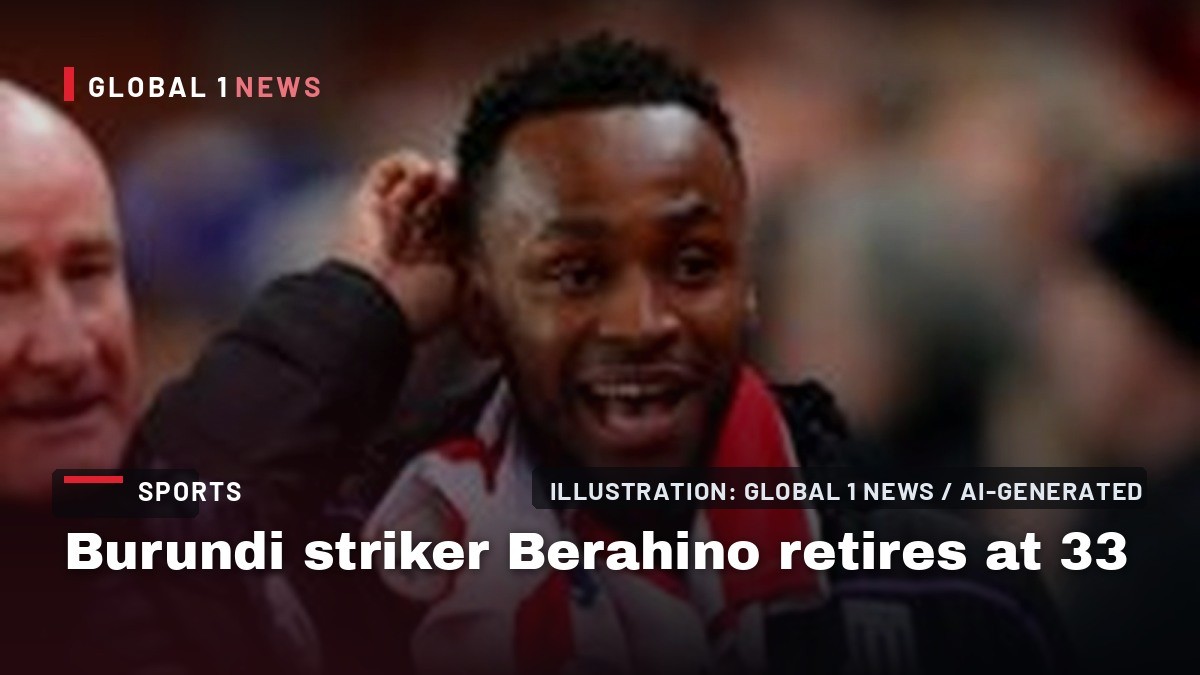
Saido Berahino’s decision to retire at 33 marks the close of a journey that began on the streets of Bujumbura and wound its way through the bright lights of English stadiums, the fervent crowds of Belgium, and the diverse pitches of Cyprus, India and Slovenia. In a heartfelt Instagram note titled “A Letter To The Game,” the former Premier League striker thanked his first club, West Bromwich Albion, and announced his new focus as a coach with the Burundi national team. His story, a blend of early promise, turbulent peaks and a resilient turn toward mentorship, offers a vivid illustration of how African talent navigates the global football landscape.
From refugee roots to the English academy
Born a refugee and raised in the Midlands, Berahino’s early life was shaped by the dual pull of his Burundian heritage and the English game. He entered West Bromwich Albion’s youth system, where the club’s belief in his potential gave him a platform that few could claim. By the age of 20, he had already made a memorable impact, scoring a hat‑trick on his first start in the EFL Cup against Newport County. Over his spell with the Baggies, he amassed 36 goals in 121 appearances across all competitions, a tally that underscored his natural finishing instinct and the affection he earned from the fans.
His performances earned him recognition beyond club football. Berahino represented England at every youth level up to under‑21, and was twice called up to the senior squad by manager Roy Hodgson, though he never made an appearance. These honours reflected the promise that English football saw in a young boy from Bujumbura, a promise that would soon be tested on the Premier League stage.
A breakout season and a costly transfer
The 2014‑15 campaign became the defining chapter of Berahino’s early career. In that season he found the net 20 times in Premier League and cup competitions, a prolific output that caught the eye of clubs across the country. His goal‑rich form translated into a high‑profile move to Stoke City in January 2017, a transfer valued at £12 million. The fee, a significant sum in the modern game, highlighted both his market value and the expectations that accompanied his arrival at the Britannia Stadium.
However, the transition proved challenging. While his debut season at Stoke offered glimpses of his talent, the club’s broader struggles culminated in relegation from the Premier League in April 2018. The drop intensified scrutiny on new signings, and Berahino’s form dipped as the team grappled with the rigours of the Championship.
Second chances and a gradual fade
Stoke’s new manager, Gary Rowett, granted Berahino a second opportunity. In the 2018‑19 season he managed to score five goals, a modest return compared with his earlier exploits. Yet the consistency that clubs demand remained elusive, and he soon fell out of favour once more. By August 2019, with three years still left on his contract, Berahino and the club agreed to part ways by mutual consent, signalling the end of his English chapter.
The departure opened a new chapter abroad. He signed for Belgian side Waregem, later moving to Charleroi, before being recruited by former West Bromwich manager Darren Moore for Sheffield Wednesday in August 2021. These moves reflected a common path for African‑born players seeking to revive their careers after a difficult spell in England, navigating leagues that offer both competitive football and a chance to rebuild confidence.
The globe‑trotting professional
Berahino’s post‑England itinerary took him across continents. After his stint in Belgium, he spent time playing in Cyprus, a league known for its passionate fan bases and Mediterranean flair. He also ventured to India, where the burgeoning Indian Super League has attracted many foreign professionals seeking new challenges. A later spell in Slovenia added a Central European dimension to his résumé. Throughout these journeys, he continued to represent Burundi, the nation of his birth, adding an international dimension to his club career.
These varied experiences enriched his perspective on the game, exposing him to different tactical philosophies, cultural expectations and playing conditions. For a player whose early life was defined by displacement, the ability to adapt to such diverse environments speaks to a resilience that would later inform his coaching ambitions.
Returning home: the coaching calling
In his Instagram statement, Berahino expressed a profound gratitude toward his first club, noting that the “goals, the fans, the moments” would always hold a special place in his heart. Yet he also articulated a clear sense of purpose: “I am proud and grateful to now serve the Burundi national team as a coach. Giving back to the country that made me, and helping the next generation, feels right.” This sentiment captures a growing trend among African diaspora athletes who, after years abroad, seek to invest their knowledge back into their home nations.
His transition from player to coach aligns with Burundi’s broader efforts to develop football infrastructure and talent pipelines. By joining the national team’s coaching staff, Berahino brings a wealth of experience from top‑flight English football, Belgian professionalism and the varied tactical insights gathered across his globe‑trotting career. His presence may inspire young Burundian players, especially those from refugee backgrounds, to envision pathways that extend beyond playing into mentorship and leadership.
The emotional farewell and future outlook
Berahino’s retirement announcement was not merely a procedural note; it was an emotional farewell to a sport that had “lifted [him] up and tested [him] at the same time.” He thanked his family for their unwavering support and acknowledged the fans who stood by him through every chapter. By framing his departure as “the end of one story and the beginning of another,” he signalled an optimistic outlook on his next role, one that blends personal fulfillment with national service.
While his playing statistics may not match the legends of the game, his narrative resonates deeply within the African football community. It underscores the reality that talent from the continent often traverses complex routes, encountering both triumphs and setbacks. Berahino’s decision to stay connected to football, now as a coach, reflects a commitment to shaping the sport’s future for his homeland.
Legacy and lessons for African footballers
Saido Berahino’s career offers several lessons for aspiring African footballers. First, the importance of early support systems—West Bromwich Albion’s faith in a young refugee proved pivotal. Second, the volatility of high‑profile transfers: a £12 million move brought pressure that can be difficult to manage without a stable environment. Third, the value of adaptability: his willingness to play in Belgium, Cyprus, India and Slovenia kept his career alive when opportunities in England waned.
Finally, his transition to coaching highlights a pathway that many players overlook. By leveraging his international experience, Berahino can influence Burundi’s football development, potentially nurturing a new generation that benefits from both local talent and global insight. As African nations continue to invest in academies and coaching education, stories like his remind us that the continent’s football future is built not only on the brilliance of its players on the pitch, but also on the dedication of those who choose to give back once the final whistle blows.
This article was produced with AI-assisted research and editorial support. Reporting is based on the source material cited below. Sources: BBC News Africa; bbc.co.uk; Global1.News (20 October 2026).
By Amara Diop, Staff Writer
What's Your Reaction?
 Like
0
 Dislike
0
 Love
0
 Funny
0
 Wow
0
 Sad
0
 Angry
0

West Africa/Sahel Correspondent at Global1.News. Dakar-based journalist covering politics, security, climate, and development across Francophone and Anglophone West Africa. Tells the stories of a region undergoing profound transformation.









Comments (0)