
B.C. election 2026: Polls open across the province
British Columbia voters are heading to the polls today, marking the final chance to decide the province’s next government. The timing of the snap election, coming on the heels of the municipal polls, has raised questions about political calculus.
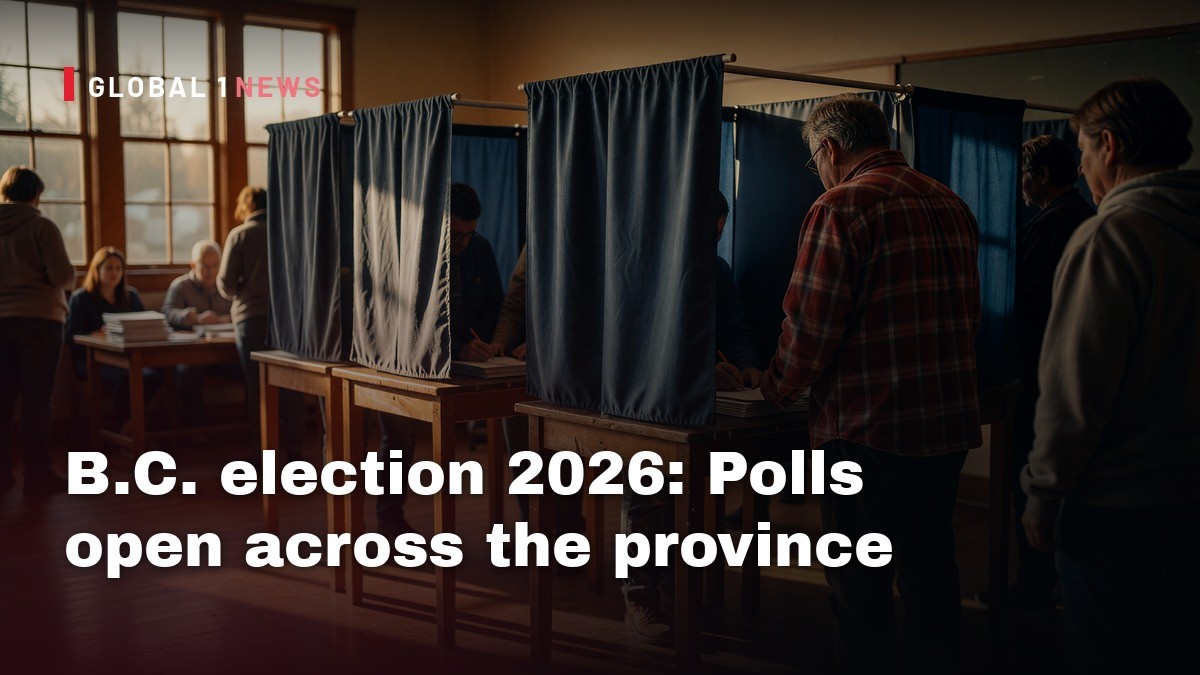
British Columbia voters are heading to the polls today, marking the final chance to decide the province’s next government. Polling stations remain open until 8 p.m., and the electoral commission has reminded anyone still in line after that hour to stay put, as they will still be permitted to cast a ballot. The election, called a snap vote by Premier‑in‑waiting David Eby, arrives just a week after the province’s municipal elections, compressing a busy political calendar into a single weekend.
Why the snap election was called
On 22 September, BC NDP leader David Eby announced that a provincial election would be held on 24 October, a full two years earlier than the scheduled 2028 vote. In his initial remarks, Eby framed the decision as an “existential moment” for both British Columbians and Canadians, invoking the federal prime minister’s description of a national “rupture.” He also referenced the United States, alleging that former President Donald Trump was targeting Canadian workers, businesses and sovereignty. This international angle was short‑lived; within days Eby shifted his messaging toward the more familiar provincial concerns of housing and affordability, signalling a strategic pivot to issues that directly affect everyday voters.
The timing of the snap election, coming on the heels of the municipal polls, has raised questions about political calculus. Critics, including Green Party leader Emily Lowan, argued that the early vote benefits the NDP incumbent by catching opposition parties off‑balance. The decision also forced the opposition to reorganise rapidly, a factor that has shaped the campaign dynamics in the final weeks.
Conservative party turmoil
The BC Conservatives entered the campaign in a state of disarray. Following Eby’s announcement, party leader Kerry‑Lynne Findlay resigned on 20 September after a series of internal upheavals saw 13 MLAs either depart or be removed by party leadership. In the wake of that crisis, Lorne Doerkson assumed the leadership role, and many of the previously departed MLAs returned to the fold. This rapid turnover highlighted the challenges the Conservatives face in presenting a united front as the election approaches.
Despite the internal turmoil, recent polling suggests the party has recovered enough to lead the race. An Ipsos poll released on 13 October indicated that the Conservatives had moved from a position of weakness to a five‑point lead over the NDP. A subsequent survey by Innovative Research Group, conducted in the final week of the campaign, confirmed that the Conservatives maintained a five‑point advantage among decided voters. The consistency of that lead, even after the leadership shake‑up, points to a resilient base and a possible shift in voter sentiment.
Polling trends and voter sentiment
Two independent polls have tracked the ebb and flow of support in the final stretch of the campaign. The Ipsos poll, issued on 13 October, captured a moment when the BC Conservatives appeared to have rallied after a period of internal chaos. It recorded a five‑point lead over the NDP, signalling a rebound that surprised many observers who had expected the party’s disarray to hamper its prospects.
Later, Innovative Research Group released a poll covering the last week before election day. It echoed the earlier Ipsos findings, again showing the Conservatives ahead by five points among voters who had already made up their minds. The final poll on Friday, the day before the election, confirmed that the five‑point margin persisted. While the polls do not reveal the exact number of undecided voters, the consistency of the lead suggests that the Conservatives have managed to stabilise their message and retain enough support to remain competitive.
Green Party perspective and municipal linkages
Green Party leader Emily Lowan seized the moment after the municipal election results were announced, critiquing the snap election as a self‑serving move by David Eby. Lowan’s comment that the early vote was “for nobody but himself” reflects a broader narrative that the NDP is using the timing to its advantage. The Greens, while not polling in the same tier as the two major parties, have positioned themselves as a watchdog on the process.
Vancouver’s mayor‑elect, Pete Fry, publicly endorsed Lowan’s criticism in the final week before the provincial vote. Fry’s endorsement underscores a potential alignment between municipal outcomes and provincial expectations. Observers have speculated whether the shifts seen in municipal councils—particularly in urban centres like Vancouver—might echo in the provincial arena, influencing voter behaviour on issues such as housing policy and local infrastructure investment.
Media coverage and election night plans
Global BC has committed to comprehensive coverage of the provincial election across all its platforms. The network’s flagship News Hour will begin at 6 p.m., streaming live on its website and on YouTube, ensuring that viewers can follow the results in real time. Anchors Chris Gailus, Sophie Lui and Keith Baldrey will host the broadcast, providing analysis and updates as the night unfolds.
Ben O’Hara‑Byrne will deliver live results, while reporters and panelists will be stationed at both the BC NDP and BC Conservative headquarters on election night. This on‑the‑ground presence aims to capture the immediate reactions of party leaders and supporters as the final counts are tallied, offering viewers a front‑row seat to the unfolding political drama.
Implications for the province’s future
The outcome of today’s vote will shape British Columbia’s trajectory on several pressing fronts. Housing affordability, a theme that Eby highlighted in his later campaign messaging, remains a critical concern for voters across the province, particularly in high‑cost urban areas. The party that forms government will need to address the province’s ongoing housing shortage and rising cost of living, issues that have been amplified by recent municipal election results.
Energy and natural resource policy will also be pivotal. British Columbia’s economy is heavily linked to its forestry, mining and clean‑energy sectors, and the incoming government will inherit decisions about how to balance resource development with environmental stewardship. The election’s timing, coming shortly after municipal elections that saw shifts in local governance, may influence how provincial leaders engage with municipalities on infrastructure and climate initiatives.
What voters can expect after the polls close
With polls closing at 8 p.m., the counting process will begin in earnest, and results are expected to be reported throughout the evening. The presence of election officials at polling stations ensures that any voters still in line after the official closing time will be accommodated, preserving the integrity of the vote.
As the night progresses, Global BC’s live coverage will provide updates on vote tallies, party reactions and expert commentary. The final composition of the Legislative Assembly will determine whether the NDP can retain power, whether the Conservatives can translate their recent polling lead into a governing mandate, or whether a minority or coalition scenario will emerge, requiring parties to negotiate across the aisle. British Columbians, and Canadians watching from coast to coast, will be keen to see how today’s decisions shape the province’s policies on housing, affordability, energy and the broader social contract.
This article was produced with AI-assisted research and editorial support. Reporting is based on the source material cited below. Sources: Global News Canada; globalnews.ca; Global1.News (24 October 2026).
By Alex Thompson, Staff Writer
What's Your Reaction?
 Like
0
 Dislike
0
 Love
0
 Funny
0
 Wow
0
 Sad
0
 Angry
0
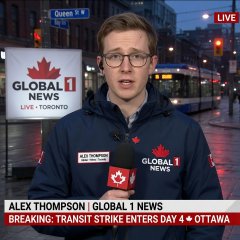
Canada Correspondent at Global1.News. Based in Toronto, covering Canadian politics, energy, trade, and US-Canada relations. Provides the Canadian perspective on North American and global affairs.










Comments (0)