
YouTuber arrested after popular Indian finance influencer's suicide
The suicide of 27‑year‑old finance influencer V Harish in early October has ignited a fierce debate in India over the responsibilities of social‑media personalities who dispense financial advice.
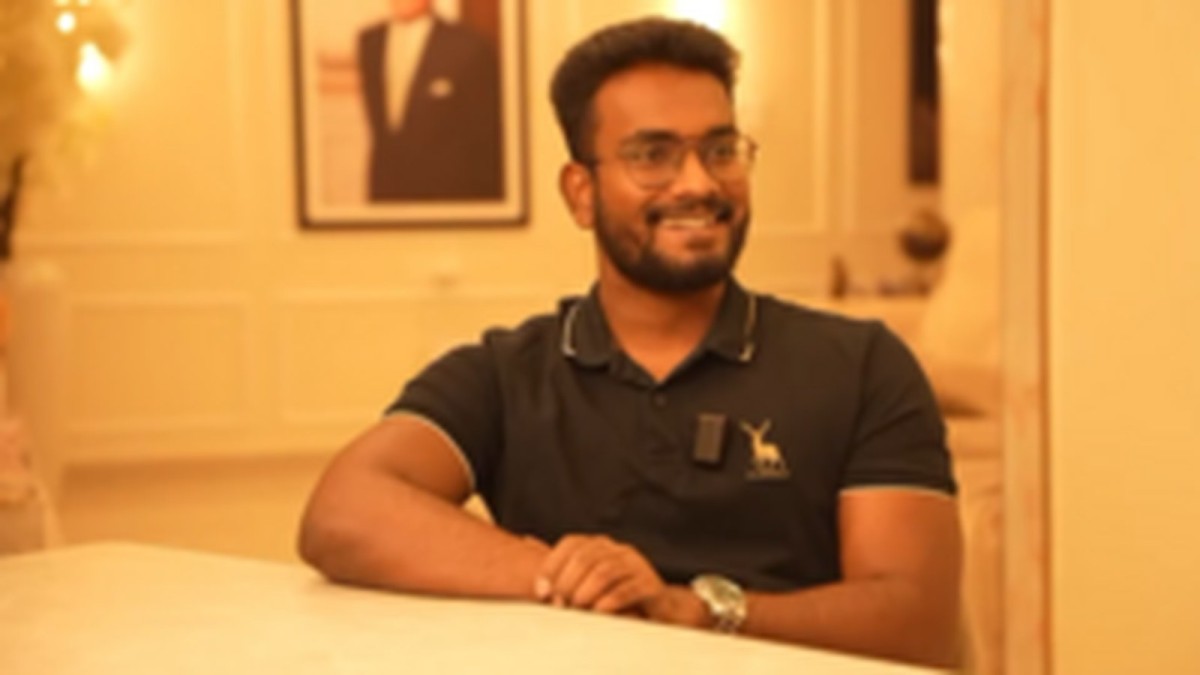
The suicide of 27‑year‑old finance influencer V Harish in early October has ignited a fierce debate in India over the responsibilities of social‑media personalities who dispense financial advice. Harish, the creator of the Instagram channel “Finance with Harish,” was found dead at his home near Chennai, and his father has lodged a formal complaint alleging that cyber‑bullying and defamatory videos posted by YouTuber Jason Samuel precipitated his son’s death. The case now sits at the intersection of rapidly expanding retail investing, regulatory enforcement, and the power of online personalities to shape market sentiment.
The tragedy and the immediate police response
Harish was discovered dead on the morning of 22 October 2026, just days after his primary Instagram account was disabled by Meta following complaints that he lacked the required registration with the Securities and Exchange Board of India (SEBI). His father, J Vinayagam, filed a complaint at Kanathur police station, accusing YouTuber and venture‑studio CEO Jason Samuel of extortion, defamation, and cyber‑bullying that allegedly drove his son to suicide. Police arrested Samuel on Thursday, placing him in judicial custody pending further investigation under the charge of “abetment to suicide.”
Samuel’s own statements on X (formerly Twitter) express shock and grief at Harish’s death while denying any intent to bully. He maintains that his October 18 video merely highlighted Harish’s lack of SEBI or AMFI registration, framing his criticism as a consumer‑protection measure rather than personal attack. The police statement confirms that Samuel’s role is under scrutiny, but no formal charges beyond the abetment allegation have been announced.
Harish’s rise as a financial content creator
Over a five‑year period, Harish built a substantial following by simplifying complex market topics for a largely inexperienced audience. He produced more than 1,500 videos and amassed over 1.3 million followers on Instagram, positioning himself as an adviser to “millionaires” and high‑net‑worth individuals. His style blended dramatic music, film clips, and images of global political figures to illustrate market swings, gold and silver price movements, and broader economic trends.
The appeal of Harish’s content coincided with a surge in India’s retail investor base. The National Stock Exchange reported that its registered unique investor count rose from under 30 million in 2019 to more than 130 million earlier this year, reflecting a broader shift toward individual participation in equity markets since the COVID‑19 pandemic.
Regulatory pressure and platform action
India’s securities regulator SEBI mandates that anyone offering investment advice or managing client portfolios must be registered. In September 2026, Meta removed Harish’s main Instagram page after receiving complaints that he was not SEBI‑registered. A backup account that quickly attracted over 60,000 followers was also taken down following further user complaints. A few smaller accounts bearing his name remain, but their operators are unclear.
The enforcement action underscores a growing tension between platform policies, regulator expectations, and the informal ecosystem of “finfluencers.” While Harish’s videos aimed to demystify finance for novices, the lack of formal licensing raised questions about the legality of his advice and the adequacy of existing oversight mechanisms for digital content creators.
The alleged cyber‑bullying and its impact
According to Vinayagam’s complaint, Harish recorded a final video message in which he lamented that “five years of hard work has been stolen.” In the recording, he apologised in both Tamil and English to his family, friends, and followers. The father attributes this message to the cumulative effect of repeated channel blocks, defamatory posts, and the public questioning of Harish’s credentials by Samuel.
Samuel’s October 18 video questioned Harish’s legitimacy, noting the absence of SEBI and AMFI registrations and referencing the recent Instagram shutdown. The father alleges that this exposure intensified online harassment, creating a mental‑health crisis that culminated in Harish’s suicide. Samuel, however, contends that his remarks were a legitimate call for compliance, not an act of bullying, and that he even invited Harish to obtain a proper SEBI licence.
Broader implications for the Indian finfluencer ecosystem
The Harish case highlights a structural vulnerability in India’s burgeoning finfluencer market. As millions of first‑time investors turn to social media for guidance, the line between informal education and regulated advisory services blurs. Platforms such as Instagram and YouTube provide low‑cost distribution channels, yet they lack built‑in verification of professional credentials.
Regulators have begun to act, as seen in Meta’s removal of Harish’s accounts following SEBI‑related complaints. However, the speed and consistency of enforcement remain uneven, leaving many creators operating in a legal grey area. The incident may prompt SEBI and other authorities to consider stricter licensing requirements for digital content that offers specific investment recommendations, potentially reshaping the ecosystem.
Legal and ethical considerations surrounding online criticism
Samuel’s defense rests on the principle of consumer protection: exposing unlicensed advisers to prevent potential fraud. Yet the father’s complaint frames the same act as defamatory and psychologically damaging. This tension raises fundamental questions about the balance between free speech, public interest, and the duty of care owed by influential online personalities.
Indian law criminalises “abetment to suicide,” and the police have applied this provision to Samuel’s alleged role. The outcome of the investigation will likely set a precedent for how far criticism can go before it is deemed harassment. Legal scholars may watch closely to see whether the courts interpret the law narrowly—protecting robust debate—or broadly, potentially chilling legitimate whistle‑blowing on unregistered advisers.
Potential policy responses and the way forward
In the wake of Harish’s death, industry observers anticipate calls for clearer guidelines governing financial content on social platforms. Stakeholders—including regulators, platform operators, and creator associations—may collaborate to develop verification systems, mandatory disclosures, and educational resources that help audiences assess the credibility of finfluencers.
At the same time, mental‑health support mechanisms for online creators are likely to gain attention. The BBC article includes helpline information for individuals experiencing suicidal thoughts, underscoring the broader societal impact of online pressure. Policymakers might consider integrating mental‑health safeguards into platform policies, especially for creators operating in high‑stakes domains such as finance.
Ultimately, the Harish tragedy serves as a stark reminder that the digital age has amplified both the reach and the responsibility of content creators. As India’s retail investor base continues to expand, the need for transparent, accountable, and ethically grounded financial advice will become ever more pressing. The legal outcome of Samuel’s case, and any subsequent regulatory reforms, will shape the future relationship between social media, finance, and the millions of Indians seeking guidance in the markets.
This article was produced with AI-assisted research and editorial support. Reporting is based on the source material cited below. Sources: BBC News Asia; bbc.co.uk; Global1.News (23 October 2026).
By Kenji Tanaka, Staff Writer
What's Your Reaction?
 Like
0
 Dislike
0
 Love
0
 Funny
0
 Wow
0
 Sad
0
 Angry
0

Japan Correspondent at Global1.News. Tokyo-based voice covering Japanese politics, technology, economy, and culture. Tracks the intersection of tradition and innovation in one of the world's most dynamic societies.











Comments (0)