
WEATHER TODAY: Heat wave for Lephalale and Thabazimbi, Rustenburg up to 34°C
South Africa is waking up to a blistering Friday, with a heat wave gripping the Western Bushveld and fire danger roaring through the North West. Below we break down what the weather means for sport across the provinces, and why every club, school and community needs to heed the alerts.
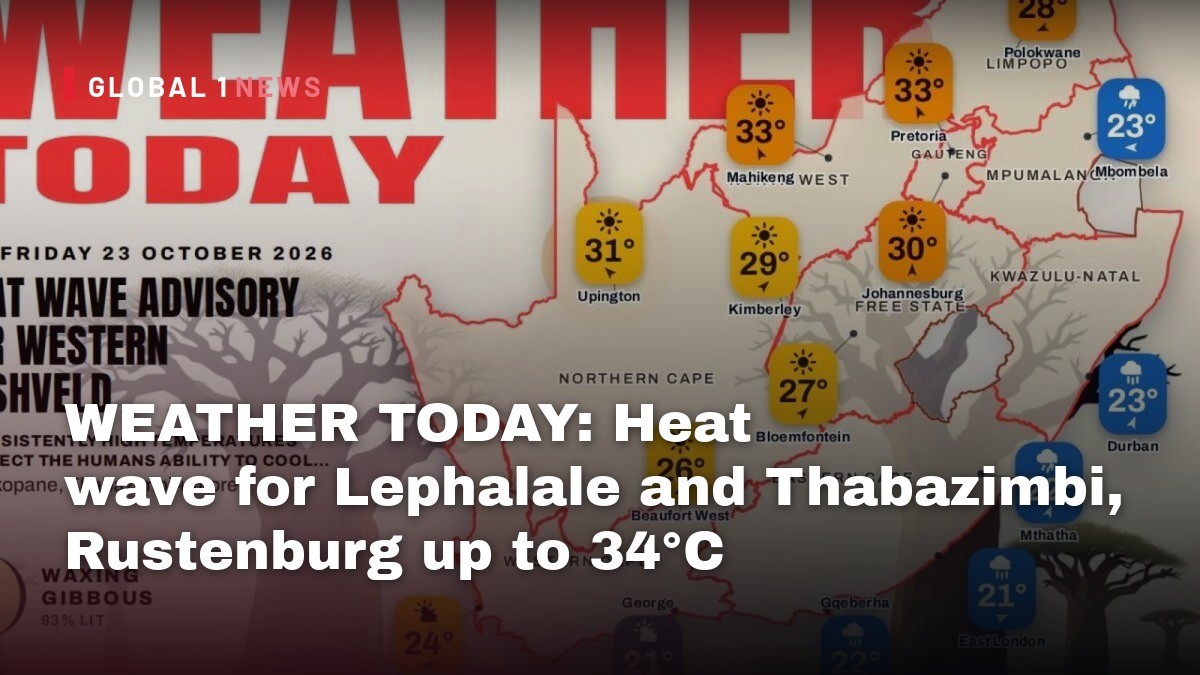
South Africa is waking up to a blistering Friday, with a heat wave gripping the Western Bushveld and fire danger roaring through the North West. As fans gear up for the weekend’s cricket and rugby fixtures, the soaring temperatures and red‑level fire warnings are set to shape everything from training sessions to match‑day logistics. Below we break down what the weather means for sport across the provinces, and why every club, school and community needs to heed the alerts.
Heat‑wave advisory hits Limpopo’s sporting heartland
The South African Weather Service (SAWS) has placed a heat‑wave advisory over the Western Bushveld in Limpopo until 23:59, covering the towns of Lephalale, Thabazimbi and Bela‑Bela. Temperatures are expected to hover around the high‑20s, with Polokwane hitting 28 °C and Musina reaching 30 °C. The advisory warns that persistently high temperatures can impair the body’s ability to cool through sweating, raising the risk of hyperthermia and heat stroke.
For sports clubs in the region, the message is clear: limit prolonged sun exposure, keep athletes hydrated and avoid intense outdoor drills during the peak heat of the day. Schools running cricket nets in Bela‑Bela or rugby training in Thabazimbi will need to shift sessions to early mornings or evenings, and ensure water stations are plentiful. The heat also threatens the condition of playing surfaces, with dry, cracked pitches becoming a safety hazard for both football and rugby.
Red‑level fire danger forces vigilance in Mahikeng and Ratlou
SAWS has issued a Level 10 fire danger warning for Mahikeng and the Ratlou Local Municipality from 09:00 to 18:59. The FDI index sits above 75, meaning fires can ignite and spread rapidly, endangering property, lives and livestock. The warning advises that all personnel and equipment be removed from the field, fire teams placed on full standby, and any aircraft be called in without delay at the first sign of smoke.
Sporting venues in the North West must act fast. The Rustenburg stadium, slated to host a provincial rugby match, recorded the highest temperature of the day at 34 °C. With clear skies and a dry backdrop, fire risk is acute. Groundskeepers are urged to clear dry grass and debris from the perimeter, and match officials should have fire‑response plans ready. Community leagues in Mahikeng should postpone or relocate fixtures if smoke is observed, and ensure that emergency contacts are posted at every venue.
Gauteng’s dry spell and its impact on training camps
Gauteng remains dry, with Johannesburg peaking at 30 °C and Pretoria at 33 °C. The capital’s clear skies provide ideal conditions for high‑performance training, but the heat demands strict hydration protocols. The SAWS advisory stresses drinking plenty of water, seeking shade and limiting strenuous outdoor activity.
Elite squads, such as the Proteas cricket camp in Johannesburg, will need to schedule net sessions early and incorporate cooling breaks. The same applies to the Bafana Bafana football squad, which often trains at high‑altitude venues around Pretoria. Coaches should monitor players for signs of heat‑related illness, especially younger athletes who are more vulnerable to hyperthermia. The dry weather also means dust can become an issue on outdoor fields, so regular watering of pitches will help maintain playability.
Eastern Cape’s drizzle offers a brief respite for outdoor sport
In the Eastern Cape, a 30 % chance of drizzle is forecast for Gqeberha (Port Elizabeth), East London and Mthatha. Temperatures sit in the low‑20s, with Gqeberha at 22 °C. While the rain is light, it provides a welcome cooling effect for the region’s rugby and cricket fixtures, which often contend with scorching heat.
Local clubs can take advantage of the milder conditions to run longer training sessions, but must remain alert to sudden changes. The forecast indicates only a slight rain, so fields may become slick, especially in the early morning. Groundskeepers should ensure proper drainage to avoid water‑logged pitches that could jeopardise match safety. The brief moisture also offers an opportunity to water dry grass, improving footing for players.
KwaZulu‑Natal’s scattered showers and coastal challenges
Durban, Pietermaritzburg, Richards Bay and Newcastle each face a 30 % chance of light rain, with temperatures ranging from 19 °C to 28 °C. The coastal humidity combined with occasional showers can affect ball handling in rugby and cricket, making the ball heavier and altering bounce.
Coastal clubs should prepare for variable conditions by having extra balls on hand and adjusting game plans for slower pitch speeds. The rain also raises the risk of flooding on low‑lying fields, so venue managers need to check drainage systems ahead of weekend fixtures. For the Dolphins cricket team, the slight rain could aid swing bowling, adding an extra tactical layer to upcoming matches.
Free State’s clear skies and the need for field maintenance
The Free State enjoys clear skies, with Bloemfontein reaching 27 °C and Kroonstad hitting 30 °C. While the dry weather is ideal for outdoor sport, it also accelerates wear on grass surfaces.
Groundskeepers in Bloemfontein and surrounding towns must intensify irrigation schedules to keep pitches from becoming brittle. Rugby clubs, especially those in the Currie Cup, should monitor turf health closely, as cracked surfaces increase injury risk. The dry conditions also mean that dust can become a nuisance for spectators, so stadiums may need to deploy water sprays before matches to settle the air.
National outlook: preparing for a hot weekend across all codes
From the high‑temperature peaks in Rustenburg and Mahikeng to the drizzle‑kissed coasts of the Eastern Cape, the weekend’s weather presents a mixed bag for South African sport. The overarching theme is preparation: ensuring athletes stay hydrated, adjusting training times, and having fire‑response plans in place where red‑level warnings loom.
Organisers of major events, whether it’s a Super Rugby match in Pretoria or a provincial cricket tournament in Limpopo, must coordinate with local authorities to align safety protocols with SAWS advisories. Fans attending games should also be briefed on heat‑related risks, with stadiums providing water stations and shade areas. By heeding the weather alerts, South Africa can keep the spirit of competition alive while safeguarding players, staff and supporters from the harsh realities of a scorching October.
This article was produced with AI-assisted research and editorial support. Reporting is based on the source material cited below. Sources: The South African; thesouthafrican.com; Global1.News (23 October 2026).
By Dante Williams, Staff Writer
What's Your Reaction?
 Like
0
 Dislike
0
 Love
0
 Funny
0
 Wow
0
 Sad
0
 Angry
0

Breaking News and Investigations Correspondent at Global1.News. Based in London, covering global breaking news, security, and investigative stories. Known for digging deeper and connecting the dots across continents.















Comments (0)