
Peter Obi mourns, recalls past efforts of late ex-Gov Uduaghan
Peter Obi, the presidential hopeful of the Nigeria Democratic Congress (NDC), used his X platform on Tuesday to mourn the passing of Dr Emmanuel Eweta Uduaghan, the former governor of Delta State.
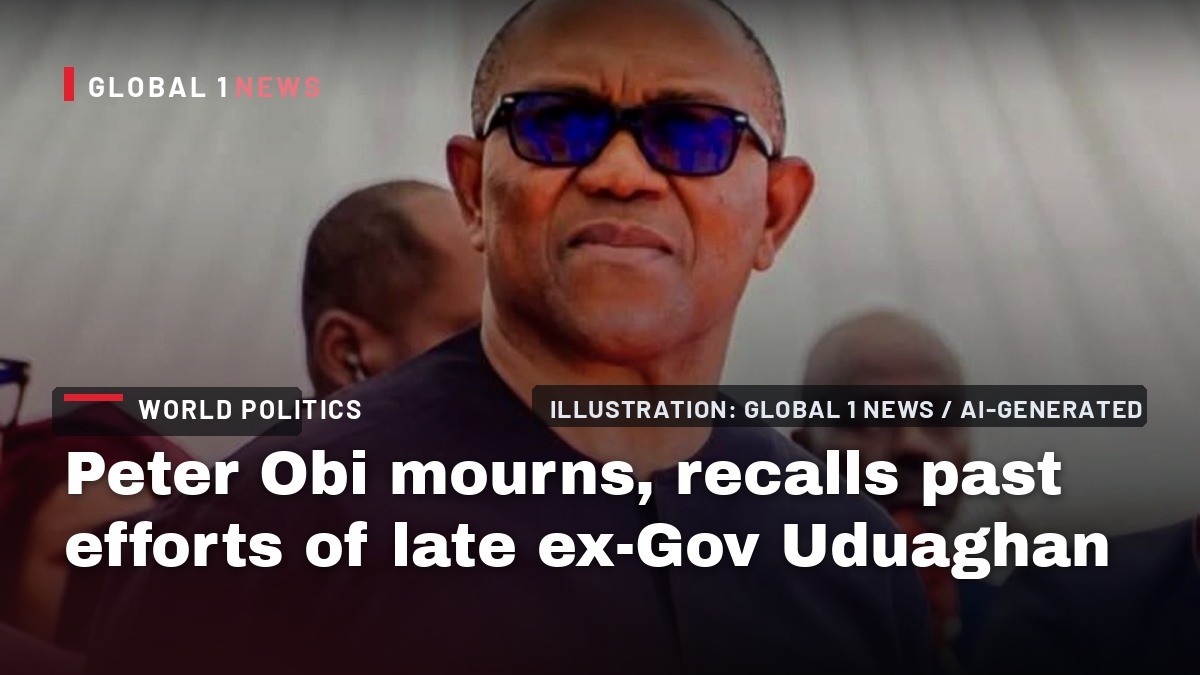
Peter Obi, the presidential hopeful of the Nigeria Democratic Congress (NDC), used his X platform on Tuesday to mourn the passing of Dr Emmanuel Eweta Uduaghan, the former governor of Delta State. In a heartfelt tribute, Obi described the late leader as a “dear elder brother,” recalling the close, collaborative bond they shared while serving the nation. The condolence message, posted amid a flurry of tributes across the country, highlighted not only personal loss but also the broader significance of Uduaghan’s contributions to national infrastructure and regional development.
Personal reflections from a fellow statesman
Obi’s message began with a solemn farewell, underscoring the depth of his personal connection to Uduaghan. He wrote that during their interactions, the former governor “treated me like his junior brother,” a phrasing that signals the respect and mentorship that characterized their relationship. Such language resonates strongly within Nigerian cultural norms, where senior‑junior dynamics often shape political alliances and personal friendships alike.
Beyond the familial tone, Obi emphasized the “cordial working relationship” they enjoyed in public service. By invoking this phrase, he reminded readers that their collaboration was rooted in a shared vision for Nigeria’s progress, rather than merely political convenience. The tribute, therefore, serves both as a personal eulogy and as a reminder of the cooperative spirit that can bridge regional divides.
The Second Niger Bridge: A joint legacy
Central to Obi’s remembrance was the joint effort to secure the contract for the Second Niger Bridge. He highlighted the project’s importance for “national integration, commerce, and the development of the South‑East and South‑South,” underscoring how infrastructure can knit together diverse parts of the country. The bridge, now a reality, stands as a testament to the collaborative drive that both men championed.
Obi’s pride in the bridge’s completion reflects a broader narrative: that major infrastructure projects in Nigeria often require cross‑regional advocacy and political will. By recalling their shared advocacy, Obi not only honors Uduaghan’s role but also signals to voters that his own campaign will prioritize similar nation‑building initiatives.
Regional impact of Uduaghan’s leadership
Emmanuel Uduaghan’s tenure as governor of Delta State left an imprint on the South‑South region. While the source material does not detail specific policies, the emphasis on the bridge project suggests his administration valued connectivity and economic growth. The bridge’s contribution to “commerce” implies that trade flows between the South‑East, South‑South and the rest of Nigeria have been enhanced, benefitting local businesses and agricultural markets.
Obi’s acknowledgment of the “loss to his family, the people of Delta State, and our nation” frames Uduaghan’s legacy as both locally rooted and nationally resonant. This duality is typical of many Nigerian governors, whose influence often extends beyond state borders through infrastructure and social programs that affect neighboring regions.
Political symbolism in the condolence
Obi’s tribute carries political weight, especially as the 2026 presidential race intensifies. By publicly mourning a fellow NDC figure, he reinforces party unity and honors the contributions of senior members who helped shape the party’s trajectory. The language of brotherhood and shared struggle positions Obi as a candidate who values continuity and respect for past leadership.
The mention of the Second Niger Bridge also serves a strategic purpose. Infrastructure is a key electoral issue, and highlighting a completed project that he helped champion allows Obi to showcase tangible achievements linked to his political network. Voters in the South‑East and South‑South, where the bridge’s benefits are most felt, may view this as a direct endorsement of his capacity to deliver development.
National integration through infrastructure
The Second Niger Bridge, as described by Obi, is more than a crossing over water; it is a symbol of “the importance of collaboration in the pursuit of national development.” In a country where ethnic and regional identities often dominate political discourse, such symbols can foster a sense of shared destiny. By linking the bridge to “national integration,” Obi underscores how physical connectivity can translate into social and economic cohesion.
Obi’s emphasis on the bridge’s role in “commerce” also points to the broader economic narrative that infrastructure reduces transaction costs, opens new markets, and stimulates investment. While the source does not provide data on traffic volumes or trade flows, the qualitative description suggests that the bridge has become a vital artery for movement of goods and people between key economic zones.
The human dimension of loss
Beyond politics and projects, Obi’s message is steeped in personal grief. He concluded with a prayer for “eternal rest” and comfort for all who mourn, a sentiment that resonates deeply in a nation where communal mourning and spiritual solace are integral to coping with loss. By invoking God’s mercy, Obi aligns with the cultural and religious fabric of Nigeria, where public figures often blend political statements with spiritual appeals.
This humanizing element may also soften the political tenor of the message, presenting Obi as a compassionate leader who values family, community and faith. Such qualities are often prized by the electorate, especially in regions where personal integrity and moral standing are as important as policy positions.
Looking ahead: Legacy and future aspirations
As Nigeria prepares for the upcoming elections, the remembrance of Emmanuel Uduaghan serves as a reminder of the enduring impact of public servants who champion tangible development. Obi’s tribute, anchored in the memory of a shared infrastructure triumph, signals his intention to build on such legacies. By foregrounding collaboration, he hints at a campaign narrative that will likely stress partnership across party lines, regions and sectors.
In the final analysis, the condolence message does more than honor a departed colleague; it weaves together personal affection, regional development, political symbolism and national ambition. For voters across the South‑East, South‑South and beyond, the story of the Second Niger Bridge and the bond between Obi and Uduaghan may become a touchstone for evaluating promises of connectivity, unity and progress in the 2026 electoral contest.
This article was produced with AI-assisted research and editorial support. Reporting is based on the source material cited below. Sources: Daily Post Nigeria; dailypost.ng; Global1.News (20 October 2026).
By Sarah Okafor, Staff Writer
What's Your Reaction?
 Like
0
 Dislike
0
 Love
0
 Funny
0
 Wow
0
 Sad
0
 Angry
0

Africa Correspondent at Global1.News. Based in Lagos, covering politics, business, technology, and culture across the continent. Focused on telling African stories beyond the headlines — the innovation, entrepreneurs, and communities shaping the region's future.












Comments (0)