
‘Nothing is set in stone’: Peak lighting project suspended amid tree damage fears
The proposed lighting scheme along the iconic walking trail on The Peak has entered a period of uncertainty, as authorities confirm that work has been halted amid growing concerns over environmental damage.
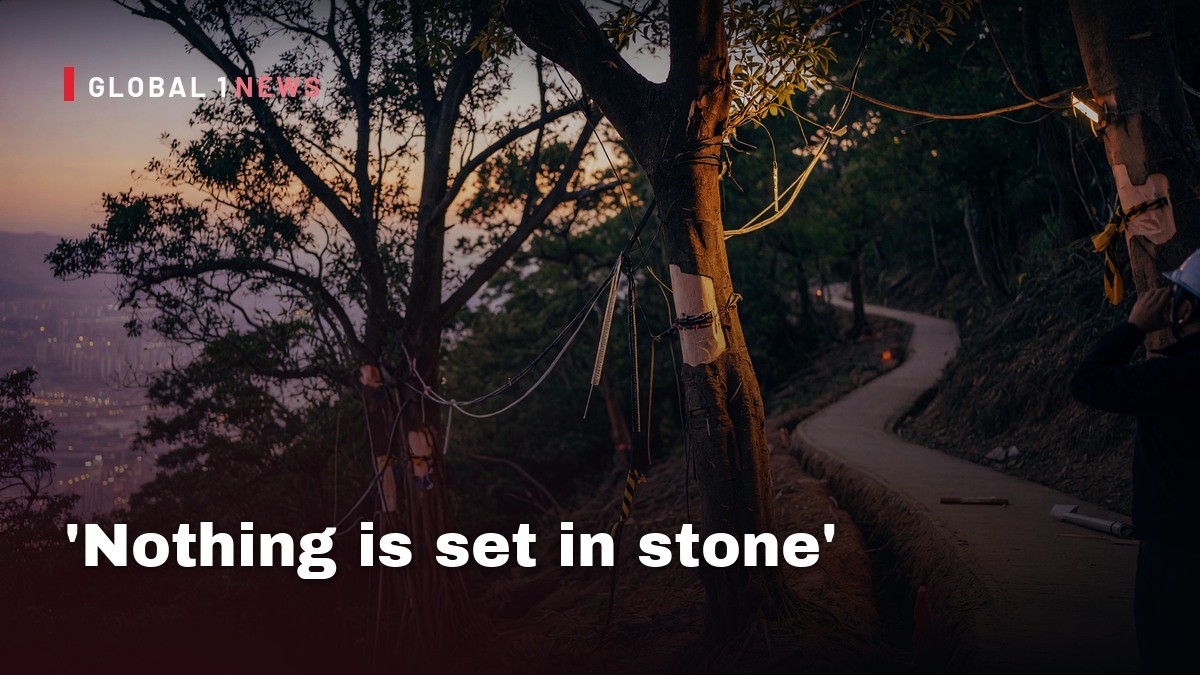
The proposed lighting scheme along the iconic walking trail on The Peak has entered a period of uncertainty, as authorities confirm that work has been halted amid growing concerns over environmental damage. Residents, visitors and a local lawmaker have all voiced objections, questioning both the ecological impact and the procedural transparency of the project. While the installations remain in place behind temporary barriers, the future of the venture remains “not set in stone,” according to officials.
Background to the Peak lighting initiative
The plan to illuminate sections of the popular Lugard Road and Harlech Road walk was introduced by the city’s Tourism Board as a means to enhance evening visitor experience and to showcase the panoramic vistas of The Peak after dark. The proposal called for a series of lighting fixtures to be installed along a circular route that traverses both roads, a stretch frequented by locals and tourists alike.
According to the South China Morning Post, the project’s physical footprint includes a large fenced‑off grass area near a park on the Harlech Road and Lugard Road loop, where the lighting units have already been positioned. In some locations, the ground has been excavated to accommodate the installations, indicating that preparatory work had progressed beyond the design stage.
Resident opposition and environmental concerns
Local residents have been vocal in their criticism, alleging that the Tourism Board removed trees and flowers to make way for the lighting fixtures. The removal of mature vegetation, especially in a setting prized for its natural scenery, has sparked fears that the project could degrade the ecological balance of the area. The complaints emphasize the perceived loss of green cover and the disturbance to the existing flora, which many view as integral to the trail’s charm.
These concerns are amplified by the observation that sections of the trail have been dug up, suggesting a degree of ground disturbance that could affect soil stability and drainage. While the source material does not provide specific data on the number of trees removed, the residents’ accusations highlight a broader tension between development initiatives and community stewardship of public green spaces.
Procedural questions raised by a lawmaker
A lawmaker has entered the debate, pointing out that a district councillor from the city’s largest political party was not consulted during the initial planning phase. The omission of a key political figure raises questions about the inclusiveness of the consultation process and whether the project received the requisite political endorsement before moving forward.
The lawmaker’s remarks suggest that the Tourism Board may have bypassed standard channels of local governance, potentially undermining the legitimacy of the project. This procedural gap, combined with the environmental grievances, creates a compound challenge for the authorities seeking to advance the lighting scheme.
Current on‑site conditions
On Tuesday, observers noted that both Lugard Road and Harlech Road were unusually quiet, with no construction crews visible. The lighting installations themselves remain in place, but they are now shielded by barriers that restrict access to portions of the trail. A small contingent of security guards is stationed nearby, presumably to monitor the site and prevent unauthorized entry.
The presence of the barriers and the lack of active work crews indicate that the suspension is not merely a temporary pause but a more deliberate halt pending further review. The physical installations, however, have not been removed, leaving the visual impact of the lights visible to passersby, albeit from a distance.
Implications for tourism and visitor experience
If the lighting project proceeds, it could extend the usability of The Peak’s walking trail into the evening hours, potentially attracting a new segment of visitors seeking night‑time scenery. Conversely, the current controversy may deter some tourists who are concerned about the environmental footprint of the development.
The uncertainty surrounding the project also affects local businesses that rely on steady visitor flow. Should the lighting be abandoned, the trail would likely retain its traditional daytime appeal but miss an opportunity to diversify its attractions. The balance between preserving natural aesthetics and enhancing visitor amenities remains a central point of contention.
Potential pathways forward
Given the mounting complaints, authorities may need to conduct a more thorough environmental assessment, addressing the specific concerns about tree and flower removal. Engaging with community groups, environmental NGOs, and the omitted district councillor could help rebuild trust and ensure that any future modifications are better aligned with public expectations.
In addition, a transparent review of the project’s design—perhaps exploring alternative lighting technologies that require less ground disturbance—could mitigate ecological impact while still achieving the desired illumination effect. Such adjustments would demonstrate responsiveness to the feedback received and could pave the way for a revised proposal that satisfies both tourism objectives and conservation priorities.
Conclusion: A project at a crossroads
The Peak lighting initiative stands at a crossroads, caught between the ambition to modernize a beloved public space and the imperative to protect the natural environment that defines it. The suspension of work, the presence of barriers, and the ongoing public debate underscore the complexity of implementing urban enhancements in sensitive ecological zones.
As the situation develops, the final decision will likely hinge on how effectively the Tourism Board can address the environmental grievances and procedural oversights highlighted by residents and the lawmaker. Until a consensus is reached, the trail will remain quiet, its future illuminated only by the ongoing dialogue between authorities, the community, and the natural landscape of The Peak.
This article was produced with AI-assisted research and editorial support. Reporting is based on the source material cited below. Sources: South China Morning Post; scmp.com; Global1.News (21 October 2026).
By Kenji Tanaka, Staff Writer
What's Your Reaction?
 Like
0
 Dislike
0
 Love
0
 Funny
0
 Wow
0
 Sad
0
 Angry
0

Japan Correspondent at Global1.News. Tokyo-based voice covering Japanese politics, technology, economy, and culture. Tracks the intersection of tradition and innovation in one of the world's most dynamic societies.














Comments (0)