
King Charles sends Aung San Suu Kyi books, says Myanmar government
King Charles III’s recent gesture of sending two books to Aung San Suu Kyi, the detained former leader of Myanmar, has drawn attention to the delicate diplomatic dance surrounding the country’s ongoing political crisis.
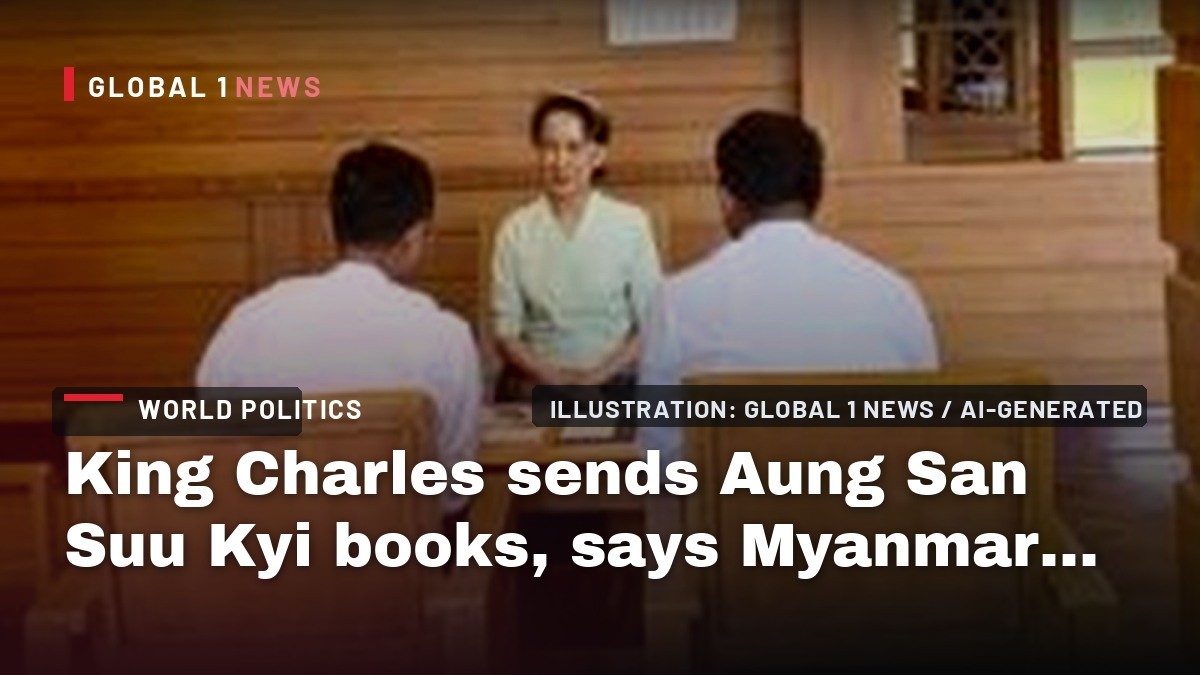
King Charles III’s recent gesture of sending two books to Aung San Suu Kyi, the detained former leader of Myanmar, has drawn attention to the delicate diplomatic dance surrounding the country’s ongoing political crisis. The British monarch’s gift, delivered alongside a sealed letter, was publicised by Myanmar’s military government, which released photographs of the hand‑over in Nay Pyi Taw on Monday. While the images show Suu Kyi in a traditional blouse and skirt, seated opposite two officials in white shirts, they reveal little about her health or the content of the discussion. Nonetheless, the episode offers a window into the broader strategies employed by the junta to mitigate its international isolation and the symbolic role that cultural exchanges continue to play in regional diplomacy.
Context of the Gift: Books as Soft Power
The two volumes presented to Suu Kyi were identified as Soil to Table by British gardeners Bridget Elworthy and Henrietta Courtauld, and Soil: The World at Our Feet, a catalogue from a London exhibition held last year. Soil to Table is described as “a celebration of soil and its connection to the food we eat,” linking the natural world to everyday life. By selecting works that focus on nature and the environment, the British monarchy appears to be extending a gesture that aligns with Suu Kyi’s known interest in reading about religion and nature while in detention.
This choice of literature reflects a broader pattern of using cultural artifacts as instruments of soft power. In the absence of formal diplomatic channels, especially given the military government’s status as a pariah in many Western capitals, symbolic gestures such as book gifts can convey respect, empathy, or a desire for dialogue without overt political endorsement. The sealed letter accompanying the books, though its contents remain undisclosed, further underscores the nuanced messaging that both the British Crown and the Myanmar junta are attempting to convey.
The Junta’s Diplomatic Blitz
Since the 2021 coup that ousted Suu Kyi’s elected government, the military leadership under Min Aung Hlaing has pursued an aggressive diplomatic outreach across Asia and beyond. The source material notes that Min Aung Hlaing is “seeking to break Myanmar’s international isolation after he was named president in an election widely condemned as neither free nor fair.” This effort includes a “diplomatic blitz within Asia” and talks with the United States, despite his being barred from western countries and accused of crimes against humanity.
The publicised delivery of the books can be read as part of this broader outreach. By allowing a high‑profile, albeit symbolic, interaction with a figure of global stature—the British monarch—the junta aims to project an image of normalcy and openness. The photographs themselves, carefully staged, serve as visual evidence of the regime’s willingness to engage with foreign dignitaries, even if only through a mediated, low‑stakes exchange.
Humanitarian Signals and the Red Cross Encounter
Earlier in August, the Myanmar government released photographs showing Suu Kyi with a representative from the International Committee of the Red Cross (ICRC). That encounter marked the first confirmed foreign contact with the former leader since a letter to her son, Kim Aris, two‑and‑a‑half years earlier. The ICRC’s involvement signals a limited, humanitarian‑focused opening, allowing limited monitoring of Suu Kyi’s well‑being while preserving the regime’s control over the narrative.
London‑based Kim Aris, who has campaigned for his mother’s release, welcomed the August photographs, noting that Suu Kyi appeared “in good health” based on the images. While the source material does not provide an independent health assessment, the repeated visual disclosures suggest that the junta is keen to portray a façade of humane treatment, perhaps to temper international criticism and to create space for future diplomatic overtures.
Suu Kyi’s Detention: Legal and Human Rights Dimensions
Since the military’s seizure of power in 2021, Suu Kyi, now 81, has been detained under charges widely regarded as trumped‑up. Initially sentenced to 33 years in jail, she was moved to house arrest in June, a shift that may reflect both internal security calculations and external pressure. The source material underscores that the charges are “widely viewed as trumped‑up,” aligning with international assessments that the legal proceedings lack legitimacy.
The ongoing detention of a Nobel Peace Prize laureate, awarded in 1991 for her non‑violent struggle for democracy, continues to be a focal point for human‑rights advocacy. The limited information released by the junta—photographs without health details or discussion content—highlights the regime’s tight control over the narrative surrounding Suu Kyi’s condition and the broader human‑rights situation in Myanmar.
British Royal Diplomacy: Tradition Meets Modern Politics
King Charles III’s decision to send books, rather than a formal diplomatic communiqué, reflects the traditional role of the British monarchy in soft diplomacy. Historically, the Crown has engaged in cultural patronage and personal gestures that complement official government policy. In this case, the monarch’s action is distinct from the UK government’s official stance, which has been critical of the junta’s human‑rights record.
The choice of environmental literature may also resonate with the King’s long‑standing advocacy for sustainability and nature, themes he has championed throughout his reign. By aligning the gift with his personal interests, the gesture carries an added layer of authenticity, potentially enhancing its reception among audiences attuned to the monarch’s values.
Implications for Regional Stability
The junta’s outreach to Asian neighbours and the United States, coupled with symbolic gestures such as the book delivery, suggests a calculated attempt to re‑position Myanmar within the regional diplomatic architecture. By showcasing a willingness to engage, even in limited forms, the regime may be seeking to secure economic or security partnerships that could offset the loss of Western support.
However, the effectiveness of such soft‑power tactics remains uncertain. While the photographs provide a visual narrative of openness, the underlying political realities—continued detention of opposition figures, accusations of crimes against humanity, and an election deemed neither free nor fair—continue to fuel international condemnation. The balance between symbolic gestures and substantive policy changes will likely determine Myanmar’s future diplomatic trajectory.
Future Prospects: Dialogue or Stalemate?
As the world watches the evolving situation in Myanmar, the book delivery serves as a microcosm of the broader diplomatic tension. The sealed letter accompanying the books, whose contents are undisclosed, may contain overtures for further dialogue, or it could simply be a ceremonial formality. Without additional transparency from the junta, analysts must rely on such symbolic acts to gauge the regime’s willingness to engage.
For now, the international community, including human‑rights organisations and foreign governments, continues to monitor Suu Kyi’s health and legal status through limited channels such as the ICRC visit and the recent photographs. The persistence of these visual disclosures suggests that the junta recognises the importance of managing its image, even as it faces ongoing sanctions and diplomatic isolation. Whether this management translates into substantive concessions or merely sustains a veneer of legitimacy will be a key question for policymakers and observers in the months ahead.
This article was produced with AI-assisted research and editorial support. Reporting is based on the source material cited below. Sources: BBC News Asia; bbc.co.uk; Global1.News (21 October 2026).
By Kenji Tanaka, Staff Writer
What's Your Reaction?
 Like
0
 Dislike
0
 Love
0
 Funny
0
 Wow
0
 Sad
0
 Angry
0

Japan Correspondent at Global1.News. Tokyo-based voice covering Japanese politics, technology, economy, and culture. Tracks the intersection of tradition and innovation in one of the world's most dynamic societies.










Comments (0)