
IDF Chief says troops foiled larger attack after killing two Palestinian gunmen
In the early hours of Friday, a shooting at Judea Junction on Route 35 near Hebron left five Israelis wounded, two of them in critical condition. The Israel Defense Forces (IDF) later confirmed that two Palestinian gunmen were killed in the ensuing clash.
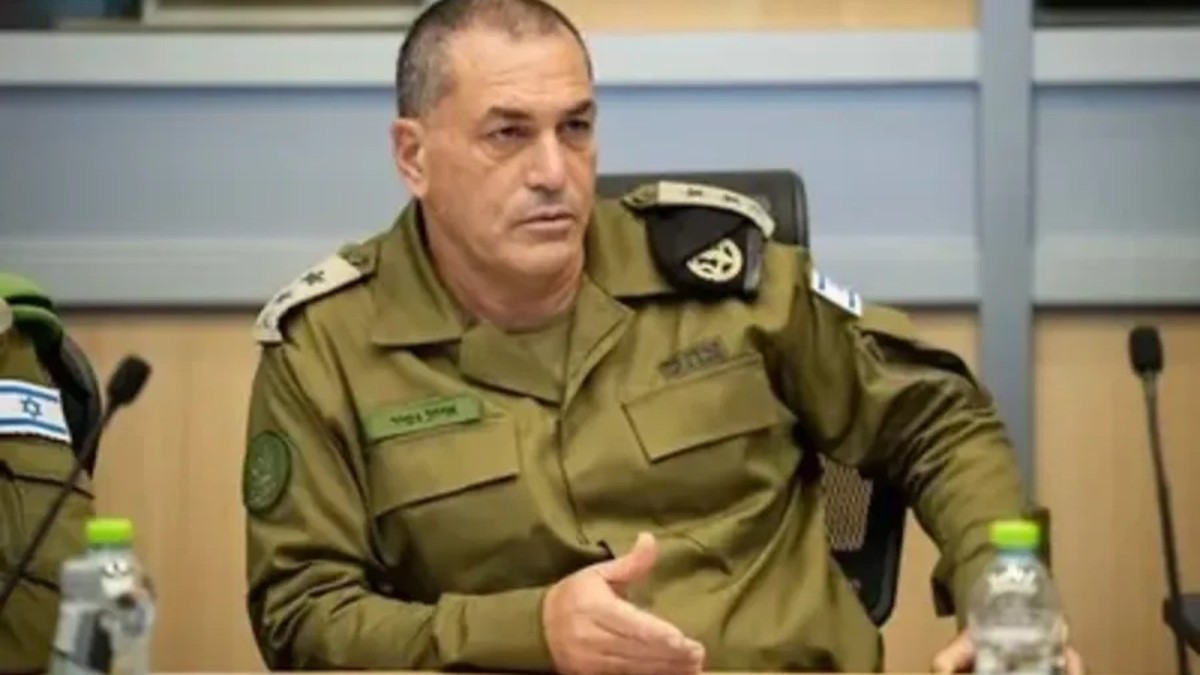
In the early hours of Friday, a shooting at Judea Junction on Route 35 near Hebron left five Israelis wounded, two of them in critical condition. The Israel Defense Forces (IDF) later confirmed that two Palestinian gunmen were killed in the ensuing clash. Lieutenant General Eyal Zamir, the IDF’s Chief of Staff, told senior officers that the swift response of his troops averted what could have become a far larger and bloodier assault. The incident, while localized, reverberates across the broader security landscape of the occupied West Bank and invites a closer look at how such flashpoints shape the region’s political and humanitarian dynamics.
Immediate aftermath: casualties and the IDF’s assessment
According to the IDF, the two assailants were armed with an M16 assault rifle and a pistol. They were engaged and killed by the deputy commander of the Home Front Command’s Ari Battalion and a company commander who arrived on the scene. The rapid neutralisation of the gunmen, Zamir said, prevented further loss of life among civilians and security personnel.
Five Israelis sustained gunshot wounds in the attack, with two described as being in critical condition. Zamir characterised the episode as a “serious attack” and praised the troops for their “swift action” that, in his words, “prevented an even more serious attack and further harm to civilians and security forces.” The chief’s remarks were delivered during a security assessment with senior officers, underscoring the gravity with which the IDF views any escalation in the southern West Bank.
Evidence of a larger plot: ammunition cache
One of the striking details emerging from the investigation was the discovery of a substantial quantity of ammunition inside the vehicle used by the gunmen to reach Judea Junction. Zamir suggested that the presence of this stockpile indicated the attackers may have been preparing for a larger‑scale operation, though the exact intended target remains unclear.
The IDF’s emphasis on the ammunition cache serves a dual purpose: it highlights the immediate threat that was averted and provides a justification for heightened security measures in the area. By linking the incident to a potential broader plot, the military can argue for increased patrols, checkpoints, and, if necessary, the deployment of additional forces to the Central Command zone.
Security response: closures and reinforcement plans
In the wake of the shooting, Israeli forces imposed closures on several Palestinian towns, including Hebron. These restrictions are part of a broader security response aimed at limiting movement, disrupting potential networks, and preventing further attacks. While closures are a common tool in the IDF’s security playbook, they also carry significant humanitarian implications for the civilian population.
Zamir also directed military officials to prepare for the possible deployment of additional forces to the Central Command area. This directive reflects a precautionary stance, ensuring that the IDF can quickly reinforce its presence should the security situation deteriorate. The preparation for reinforcement, however, also signals to Palestinian communities that the threat perception remains high, potentially fueling further tension.
Historical context: Judea Junction and the Hebron corridor
Judea Junction sits on a critical artery—Route 35—that connects the southern West Bank towns to the larger network of roads leading to Jerusalem and the Israeli‑controlled areas. Historically, this corridor has been a flashpoint for clashes, given its proximity to Hebron, a city that hosts a dense mix of Israeli settlers, Palestinian residents, and a heavy security presence.
The Hebron area has long been a microcosm of the broader Israeli‑Palestinian conflict, where incidents of violence often trigger rapid security escalations. Past episodes have seen similar patterns: an attack, a swift military response, closures, and a subsequent tightening of security measures. The current incident fits within that familiar trajectory, underscoring the volatility of the region.
Humanitarian implications of closures
When Israeli forces impose closures on Palestinian towns, the immediate effect is the restriction of movement for residents. This can disrupt daily activities such as work, schooling, and access to medical services. In Hebron, where the economy already grapples with the constraints of occupation, additional closures exacerbate economic hardship and heighten the sense of collective punishment among the civilian population.
Human rights organisations have repeatedly warned that such measures, while intended to enhance security, often blur the line between targeting militants and penalising entire communities. The closures following the Judea Junction shooting therefore raise questions about proportionality and the broader impact on the humanitarian situation in the southern West Bank.
Regional reverberations: African perspectives on security and occupation
From an African standpoint, the incident at Judea Junction resonates with broader continental concerns about security, sovereignty, and the rights of occupied peoples. Many African nations have historically expressed solidarity with the Palestinian cause, viewing it through the lens of anti‑colonial struggle. The swift Israeli response, coupled with the imposition of closures, is often cited in African diplomatic circles as an example of a heavy‑handed security approach that can inflame rather than quell unrest.
In Nigeria, for instance, security challenges in the Niger Delta and the northern insurgencies have prompted debates about the balance between force and community engagement. Observers draw parallels between the Israeli practice of pre‑emptive closures and the Nigerian government’s occasional curfews in conflict‑prone areas, prompting discussions on best practices for safeguarding civilians while addressing militant threats.
Looking ahead: potential trajectories for the West Bank
The Judea Junction shooting, while a single episode, may signal a shift in the security calculus of the IDF’s Central Command. Zamir’s directive to ready additional forces suggests that the military is bracing for a possible escalation, whether from organized militant groups or spontaneous attacks. The presence of a sizeable ammunition cache hints at a level of planning that could embolden other cells to attempt similar operations.
For the Palestinian communities in Hebron and surrounding towns, the immediate concern is the impact of closures on daily life and the risk of further confrontations. The incident also underscores the importance of diplomatic channels that can address security concerns while mitigating humanitarian fallout. As the situation unfolds, regional actors, including African states, will continue to watch closely, weighing the balance between security imperatives and the rights of civilians caught in the crossfire.
This article was produced with AI-assisted research and editorial support. Reporting is based on the source material cited below. Sources: Daily Post Nigeria; dailypost.ng; Global1.News (23 October 2026).
By Sarah Okafor, Staff Writer
What's Your Reaction?
 Like
0
 Dislike
0
 Love
0
 Funny
0
 Wow
0
 Sad
0
 Angry
0

Africa Correspondent at Global1.News. Based in Lagos, covering politics, business, technology, and culture across the continent. Focused on telling African stories beyond the headlines — the innovation, entrepreneurs, and communities shaping the region's future.













Comments (0)