



1. ‘Bombarded with Islam’: We went to both rallies in London. Here’s what we saw — Tuesday 19 May 2026
    2. In London, two starkly contrasting marches unfolded on the same day, capturing the deepening divides over Palestine and Islam in Britain. A Nakba Day procession drew thousands commemorating the 1948 displacement of Palestinians, many carrying flags and chanting for justice in Gaza. Nearby, Tommy Robinson’s Unite the Kingdom rally gathered far-right supporters who openly denounced Islam and portrayed Muslim communities as a threat to British identity. Al Jazeera English reporters moved between both events, recording chants, signs, and conversations that revealed how these gatherings mirror wider European anxieties about migration and Middle Eastern conflicts.

      The coverage highlights accusations that the UK government has used claims of antisemitism to restrict pro-Palestine activism while tolerating explicit Islamophobic rhetoric at rallies like Robinson’s. Speakers at the far-right gathering framed their protest as a defense against what they called an “Islamisation” of Britain, language that resonates uncomfortably across the Middle East where many view such narratives as extensions of colonial attitudes toward Arab and Muslim populations. Interviews with participants on both sides showed how diaspora communities from Lebanon, Palestine, and beyond feel caught between solidarity for their homelands and the daily reality of suspicion in European cities.

      For audiences in the region, these London scenes underscore how events in the West continue to shape perceptions of fairness toward Palestinian rights and Muslim integration. The reporting suggests that rising anti-Islam messaging in Britain risks fueling further alienation among young Arabs and Muslims whose families maintain strong ties to the Middle East. As tensions persist, such street confrontations serve as reminders that struggles over narrative and belonging extend far beyond the UK’s borders.
    3. Watch the full video from Middle East Eye below.
    ‘Bombarded with Islam’: We went to both rallies in London. Here’s what we saw — Tuesday 19 May 2026In London, two starkly contrasting marches unfolded on the same day, capturing the deepening divides over Palestine and Islam in Britain. A Nakba Day procession drew thousands commemorating the 1948 displacement of Palestinians, many carrying flags and chanting for justice in Gaza. Nearby, Tommy Robinson’s Unite the Kingdom rally gathered far-right supporters who openly denounced Islam and portrayed Muslim communities as a threat to British identity. Al Jazeera English reporters moved between both events, recording chants, signs, and conversations that revealed how these gatherings mirror wider European anxieties about migration and Middle Eastern conflicts. The coverage highlights accusations that the UK government has used claims of antisemitism to restrict pro-Palestine activism while tolerating explicit Islamophobic rhetoric at rallies like Robinson’s. Speakers at the far-right gathering framed their protest as a defense against what they called an “Islamisation” of Britain, language that resonates uncomfortably across the Middle East where many view such narratives as extensions of colonial attitudes toward Arab and Muslim populations. Interviews with participants on both sides showed how diaspora communities from Lebanon, Palestine, and beyond feel caught between solidarity for their homelands and the daily reality of suspicion in European cities. For audiences in the region, these London scenes underscore how events in the West continue to shape perceptions of fairness toward Palestinian rights and Muslim integration. The reporting suggests that rising anti-Islam messaging in Britain risks fueling further alienation among young Arabs and Muslims whose families maintain strong ties to the Middle East. As tensions persist, such street confrontations serve as reminders that struggles over narrative and belonging extend far beyond the UK’s borders.Watch the full video from Middle East Eye below.
    0 Comments 0 Shares 35 Views 0 Reviews
    1. JD Vance says money from $1.7B fund will not go to Trump or his family — Tuesday 19 May 2026
    2. In a recent appearance, U.S. Vice President JD Vance moved to address mounting questions about a new $1.77 billion Justice Department fund established to examine claims of institutional weaponization. He stated clearly that neither President Trump, members of the administration, nor the president's family would receive any portion of the allocation, describing the measure as an effort to strengthen accountability within federal agencies rather than serve personal interests.

      The fund has drawn scrutiny from both domestic opponents and overseas observers who worry that large discretionary budgets in sensitive areas can blur lines between legitimate oversight and political targeting. Vance's remarks sought to separate the initiative from any suggestion of self-enrichment, while underscoring the administration's view that previous administrations had misused investigative powers against conservative figures.

      For governments and institutions abroad, the episode highlights ongoing tensions inside the United States over the independence of its justice system. Allies in Europe and Asia that coordinate closely with Washington on sanctions enforcement, intelligence sharing, and financial regulation are watching whether such funds will be administered with sufficient safeguards to avoid perceptions of selective prosecution.

      How the money is ultimately spent will likely shape international assessments of U.S. institutional resilience at a time when many partners are recalibrating their reliance on American-led legal and regulatory frameworks.
    3. Watch the full video from Associated Press below.
    JD Vance says money from $1.7B fund will not go to Trump or his family — Tuesday 19 May 2026In a recent appearance, U.S. Vice President JD Vance moved to address mounting questions about a new $1.77 billion Justice Department fund established to examine claims of institutional weaponization. He stated clearly that neither President Trump, members of the administration, nor the president's family would receive any portion of the allocation, describing the measure as an effort to strengthen accountability within federal agencies rather than serve personal interests. The fund has drawn scrutiny from both domestic opponents and overseas observers who worry that large discretionary budgets in sensitive areas can blur lines between legitimate oversight and political targeting. Vance's remarks sought to separate the initiative from any suggestion of self-enrichment, while underscoring the administration's view that previous administrations had misused investigative powers against conservative figures. For governments and institutions abroad, the episode highlights ongoing tensions inside the United States over the independence of its justice system. Allies in Europe and Asia that coordinate closely with Washington on sanctions enforcement, intelligence sharing, and financial regulation are watching whether such funds will be administered with sufficient safeguards to avoid perceptions of selective prosecution. How the money is ultimately spent will likely shape international assessments of U.S. institutional resilience at a time when many partners are recalibrating their reliance on American-led legal and regulatory frameworks.Watch the full video from Associated Press below.
    0 Comments 0 Shares 13 Views 0 Reviews
    1. ‘Bombarded with Islam’: We went to both rallies in London. Here’s what we saw — Tuesday 19 May 2026
    2. In the heart of London, two starkly opposing demonstrations unfolded on the same day, capturing the deep divisions over Palestine and immigration that resonate far beyond British shores. A Nakba Day march drew thousands advocating for Palestinian rights, while nearby, supporters of Tommy Robinson gathered for his Unite the Kingdom rally. Footage from the ground reveals how these events played out amid accusations that the UK government has used claims of antisemitism to restrict pro-Palestine activism, even as explicit anti-Muslim rhetoric surfaced openly at the counter-rally.

      Protesters at the Nakba event described feeling under siege from heightened policing and public scrutiny, with many linking their cause to broader struggles against occupation and displacement that affect communities worldwide. Speakers and participants emphasized peaceful solidarity, yet the atmosphere remained charged by recent political moves that critics say equate criticism of Israeli policies with prejudice. This approach, observers note, risks stifling global conversations on human rights in the Middle East while fueling perceptions of selective enforcement.

      At the Unite the Kingdom gathering, organizers and attendees voiced unfiltered concerns about Islam's influence in Britain, with chants and signs framing Muslim communities as a cultural threat. Interviews captured a mix of local frustrations over integration and fears of demographic change that echo similar far-right mobilizations across Europe and North America. The contrast between the two events underscores how local tensions in the UK mirror wider global debates on identity, migration, and the limits of public protest in increasingly polarized societies.
    3. Watch the full video from Middle East Eye below.
    ‘Bombarded with Islam’: We went to both rallies in London. Here’s what we saw — Tuesday 19 May 2026In the heart of London, two starkly opposing demonstrations unfolded on the same day, capturing the deep divisions over Palestine and immigration that resonate far beyond British shores. A Nakba Day march drew thousands advocating for Palestinian rights, while nearby, supporters of Tommy Robinson gathered for his Unite the Kingdom rally. Footage from the ground reveals how these events played out amid accusations that the UK government has used claims of antisemitism to restrict pro-Palestine activism, even as explicit anti-Muslim rhetoric surfaced openly at the counter-rally. Protesters at the Nakba event described feeling under siege from heightened policing and public scrutiny, with many linking their cause to broader struggles against occupation and displacement that affect communities worldwide. Speakers and participants emphasized peaceful solidarity, yet the atmosphere remained charged by recent political moves that critics say equate criticism of Israeli policies with prejudice. This approach, observers note, risks stifling global conversations on human rights in the Middle East while fueling perceptions of selective enforcement. At the Unite the Kingdom gathering, organizers and attendees voiced unfiltered concerns about Islam's influence in Britain, with chants and signs framing Muslim communities as a cultural threat. Interviews captured a mix of local frustrations over integration and fears of demographic change that echo similar far-right mobilizations across Europe and North America. The contrast between the two events underscores how local tensions in the UK mirror wider global debates on identity, migration, and the limits of public protest in increasingly polarized societies.Watch the full video from Middle East Eye below.
    0 Comments 0 Shares 8 Views 0 Reviews
    1. Kenya Fuel Protests Ease For One Week — Tuesday 19 May 2026
    2. As tensions ease for a one-week reprieve in Kenya, transport operators have suspended their nationwide strike after clashes with police left at least four people dead and more than thirty injured. The Kenyan government has pointed to the US-Israel-Iran conflict and restrictions in the Strait of Hormuz as the main drivers behind fuel prices rising by as much as ten percent in a single month. TTT News correspondent Brian Ngugi from the Standard Media Group reports that while Super petrol prices were adjusted, they remain higher than before, leaving commuters frustrated and the anger far from settled.

      Here in Trinidad and Tobago, these developments carry particular weight for motorists and public transport users already feeling the pinch at the pumps in places like Couva and Port of Spain. Global supply shocks from the Strait of Hormuz can quickly push up our own fuel costs, even as an energy-producing nation, and any prolonged disruption in Kenya could affect regional trade routes that indirectly touch Caribbean supply chains. Neighbouring countries are watching closely, knowing that if talks between the government and unions collapse, Kenya risks running out of fuel within days.

      The transport union has given authorities just seven days to resolve the matter before considering a larger shutdown. For local audiences, the situation highlights the need for stronger dialogue between government, transport operators and commuters to prevent similar unrest from taking root on our streets.
    3. Watch the full video from TTT Live Online below.
    Kenya Fuel Protests Ease For One Week — Tuesday 19 May 2026As tensions ease for a one-week reprieve in Kenya, transport operators have suspended their nationwide strike after clashes with police left at least four people dead and more than thirty injured. The Kenyan government has pointed to the US-Israel-Iran conflict and restrictions in the Strait of Hormuz as the main drivers behind fuel prices rising by as much as ten percent in a single month. TTT News correspondent Brian Ngugi from the Standard Media Group reports that while Super petrol prices were adjusted, they remain higher than before, leaving commuters frustrated and the anger far from settled. Here in Trinidad and Tobago, these developments carry particular weight for motorists and public transport users already feeling the pinch at the pumps in places like Couva and Port of Spain. Global supply shocks from the Strait of Hormuz can quickly push up our own fuel costs, even as an energy-producing nation, and any prolonged disruption in Kenya could affect regional trade routes that indirectly touch Caribbean supply chains. Neighbouring countries are watching closely, knowing that if talks between the government and unions collapse, Kenya risks running out of fuel within days. The transport union has given authorities just seven days to resolve the matter before considering a larger shutdown. For local audiences, the situation highlights the need for stronger dialogue between government, transport operators and commuters to prevent similar unrest from taking root on our streets.Watch the full video from TTT Live Online below.
    0 Comments 0 Shares 11 Views 0 Reviews
    1. Oil spike drives bond selloff, raises Fed hike fears — Tuesday 19 May 2026
    2. Rising oil prices linked to ongoing tensions in the Middle East are rippling through global financial markets, triggering a selloff in bonds and heightening expectations that the US Federal Reserve could step up its pace of interest rate increases. Analysts note that crude benchmarks have climbed sharply in recent sessions as supply concerns mount, pushing investors to shed government debt in favor of assets seen as better hedges against inflation. This shift has driven benchmark yields higher, with the 10-year US Treasury note briefly touching levels not seen in months.

      The move is raising alarms among economists who warn that faster Fed tightening would lift borrowing costs across the board, from mortgages to corporate loans. Markets in Europe and Asia have already felt the effects, with equity indexes showing increased swings and currencies in energy-importing nations coming under pressure. Central banks outside the United States, from the European Central Bank to policymakers in emerging economies, are now weighing whether to follow the Fed’s lead or risk capital outflows if rate differentials widen further.

      For households and businesses worldwide, the combination of higher energy costs and elevated interest rates could dampen spending and investment at a time when many economies are still recovering from earlier shocks. While oil-exporting nations may benefit from stronger revenues, the broader outlook points to prolonged volatility as investors reassess the balance between inflation risks and growth prospects.
    3. Watch the full video from Reuters below.
    Oil spike drives bond selloff, raises Fed hike fears — Tuesday 19 May 2026Rising oil prices linked to ongoing tensions in the Middle East are rippling through global financial markets, triggering a selloff in bonds and heightening expectations that the US Federal Reserve could step up its pace of interest rate increases. Analysts note that crude benchmarks have climbed sharply in recent sessions as supply concerns mount, pushing investors to shed government debt in favor of assets seen as better hedges against inflation. This shift has driven benchmark yields higher, with the 10-year US Treasury note briefly touching levels not seen in months. The move is raising alarms among economists who warn that faster Fed tightening would lift borrowing costs across the board, from mortgages to corporate loans. Markets in Europe and Asia have already felt the effects, with equity indexes showing increased swings and currencies in energy-importing nations coming under pressure. Central banks outside the United States, from the European Central Bank to policymakers in emerging economies, are now weighing whether to follow the Fed’s lead or risk capital outflows if rate differentials widen further. For households and businesses worldwide, the combination of higher energy costs and elevated interest rates could dampen spending and investment at a time when many economies are still recovering from earlier shocks. While oil-exporting nations may benefit from stronger revenues, the broader outlook points to prolonged volatility as investors reassess the balance between inflation risks and growth prospects.Watch the full video from Reuters below.
    0 Comments 0 Shares 5 Views 0 Reviews
    1. الرئيس الروسي فلاديمير بوتين يصل إلى الصين في زيارة رسمية — Tuesday 19 May 2026
    2. Russian President Vladimir Putin touched down in Beijing for a high-level official visit, signaling a continued push to strengthen economic and strategic ties with China. The arrival comes as Moscow looks to expand trade routes and secure long-term energy partnerships while facing sustained Western pressure. Live coverage from Al Jazeera captured the formal reception, underscoring how both capitals are framing the trip as a demonstration of resilience in a shifting global order.

      For audiences across the Middle East the implications run deeper than bilateral optics. Expanded Russian-Chinese energy coordination could affect crude prices and supply routes that directly shape revenues for Gulf producers and costs for importers in Lebanon, Jordan, and Egypt. At the same time, any joint positions on Syria, Iran, or Red Sea security may alter the calculations of regional governments seeking leverage beyond traditional Western channels.

      Viewed from Beirut, the visit reflects a wider preference among many Middle Eastern states for diversified partnerships rather than exclusive alignments. As sanctions and great-power competition persist, capitals from the Gulf to the Levant are watching whether Moscow and Beijing can deliver tangible alternatives in trade, technology, and diplomatic backing. The coming days of meetings will likely reveal how far this axis intends to challenge existing frameworks that have long influenced regional affairs.
    3. Watch the full video from Al Jazeera English below.
    الرئيس الروسي فلاديمير بوتين يصل إلى الصين في زيارة رسمية — Tuesday 19 May 2026Russian President Vladimir Putin touched down in Beijing for a high-level official visit, signaling a continued push to strengthen economic and strategic ties with China. The arrival comes as Moscow looks to expand trade routes and secure long-term energy partnerships while facing sustained Western pressure. Live coverage from Al Jazeera captured the formal reception, underscoring how both capitals are framing the trip as a demonstration of resilience in a shifting global order. For audiences across the Middle East the implications run deeper than bilateral optics. Expanded Russian-Chinese energy coordination could affect crude prices and supply routes that directly shape revenues for Gulf producers and costs for importers in Lebanon, Jordan, and Egypt. At the same time, any joint positions on Syria, Iran, or Red Sea security may alter the calculations of regional governments seeking leverage beyond traditional Western channels. Viewed from Beirut, the visit reflects a wider preference among many Middle Eastern states for diversified partnerships rather than exclusive alignments. As sanctions and great-power competition persist, capitals from the Gulf to the Levant are watching whether Moscow and Beijing can deliver tangible alternatives in trade, technology, and diplomatic backing. The coming days of meetings will likely reveal how far this axis intends to challenge existing frameworks that have long influenced regional affairs.Watch the full video from Al Jazeera English below.
    0 Comments 0 Shares 18 Views 0 Reviews
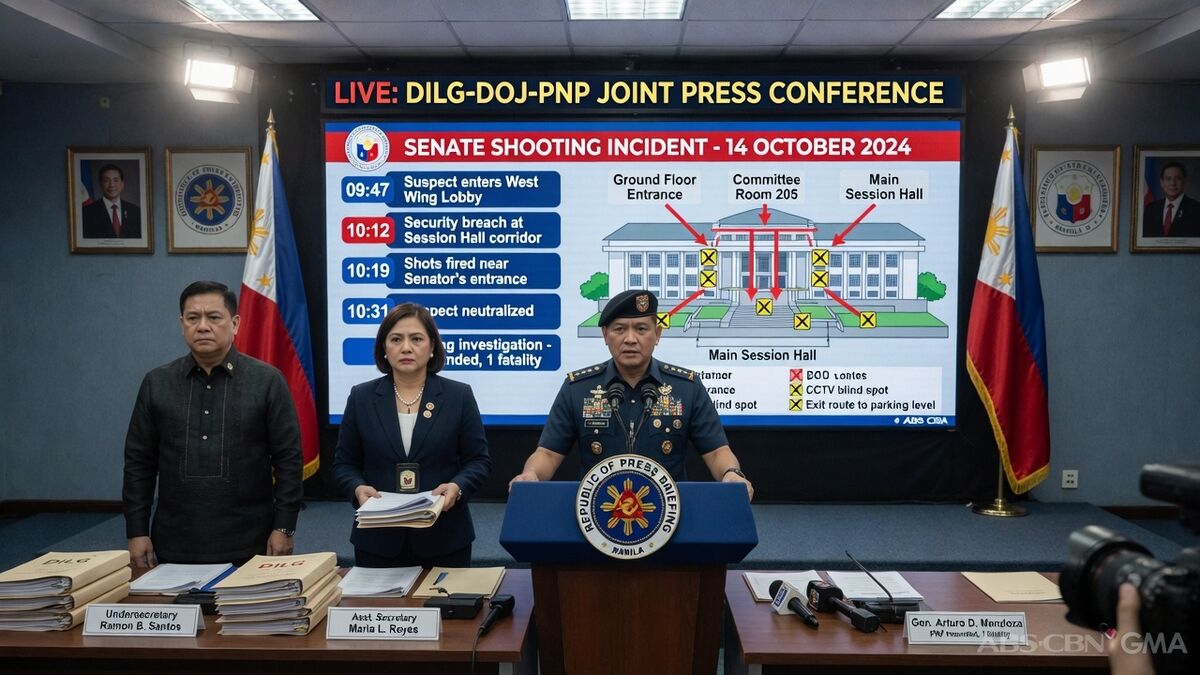
    1. Breaking News: Philippine Authorities Present Detailed Timeline of Senate Shooting — Declare “No Attack on the Senate”Manila, Philippines — May 19, 2026
    2. Six days after gunshots echoed through the Philippine Senate, top government officials today released a comprehensive timeline of the May 13 incident, firmly stating there was no coordinated attack on the legislature. Interior and Local Government Secretary Jonvic Remulla, Justice Secretary Frederick Vida, and Philippine National Police (PNP) Chief Gen. Jose Melencio Nartatez Jr. presented the chronology during a joint briefing. They described the event as a “gun-related incident” triggered by a confrontation involving Senate security forces and National Bureau of Investigation (NBI) agents in the vicinity of the adjacent GSIS compound. Key Points from the Official Timeline (May 13, 2026)
    3. Afternoon/Early Evening: Heightened security measures were already in place. GSIS implemented a red alert. NBI agents arrived at the GSIS Main Building around 6:17 p.m. for a security survey and inspection of vulnerable points, following a request from GSIS.
    4. ~7:00 p.m.: Senate security, led by Acting Sergeant-at-Arms Mao Aplasca, mobilized. The Senate went into lockdown.
    5. ~7:11–7:22 p.m.: The House transmitted the Articles of Impeachment against Vice President Sara Duterte to the Senate.
    6. ~7:44–7:45 p.m.: Senate security forces moved toward an area near the outdoor canteen hallway/Kalayaan garden.
    7. ~7:45 p.m.: Gunshots were heard. Officials say Senate personnel fired first (described as warning shots), leading to a brief confrontation with individuals in the area. NBI agents did not enter the Senate building to arrest anyone or launch an attack.
    8. Later that night, NBI Director Melvin Matibag publicly stated that no NBI agents were involved in the shooting inside the Senate.
    9. Authorities emphasized that evidence, including CCTV and ballistics, shows Senate security overreacted to NBI personnel who were present for legitimate security-related duties in the connected GSIS area. No one was injured. Dela Rosa’s Escape Senator Ronald “Bato” dela Rosa — the former PNP chief and key figure in former President Rodrigo Duterte’s drug war, who faces an ICC arrest warrant for alleged crimes against humanity — had been under the Senate’s protective custody. He left the premises in the early hours of May 14 (around 2:30 a.m.) in a white Fortuner/SUV linked to Sen. Robin Padilla. PNP has video evidence of the departure. Dela Rosa remains at large. The NBI has leads on his whereabouts, and Sen. Padilla has been tagged as a “person of interest” in the escape investigation. Padilla has appeared in recent Senate sessions but has avoided directly confirming details. Broader Context: The incident unfolded amid intense political turmoil, including:
    10. The Senate is preparing to convene as an impeachment court for Vice President Sara Duterte.
    11. Ongoing debates over the ICC’s jurisdiction and enforcement of the warrant against dela Rosa.
    12. Questions about Senate security lapses, coordination failures, and the institution’s role in shielding a senator facing international charges.

    Some opposition figures have called the events “staged” or criticized the Senate leadership, while the government stresses due process and rule of law. Investigations by the DOJ, NBI, and PNP are ongoing, with culprits reportedly already identified in connection with the gunfire. This remains a developing story with significant implications for Philippine politics, institutions, and international relations.

    Breaking News: Philippine Authorities Present Detailed Timeline of Senate Shooting — Declare “No Attack on the Senate”Manila, Philippines — May 19, 2026Six days after gunshots echoed through the Philippine Senate, top government officials today released a comprehensive timeline of the May 13 incident, firmly stating there was no coordinated attack on the legislature. Interior and Local Government Secretary Jonvic Remulla, Justice Secretary Frederick Vida, and Philippine National Police (PNP) Chief Gen. Jose Melencio Nartatez Jr. presented the chronology during a joint briefing. They described the event as a “gun-related incident” triggered by a confrontation involving Senate security forces and National Bureau of Investigation (NBI) agents in the vicinity of the adjacent GSIS compound. Key Points from the Official Timeline (May 13, 2026)Afternoon/Early Evening: Heightened security measures were already in place. GSIS implemented a red alert. NBI agents arrived at the GSIS Main Building around 6:17 p.m. for a security survey and inspection of vulnerable points, following a request from GSIS.~7:00 p.m.: Senate security, led by Acting Sergeant-at-Arms Mao Aplasca, mobilized. The Senate went into lockdown.~7:11–7:22 p.m.: The House transmitted the Articles of Impeachment against Vice President Sara Duterte to the Senate.~7:44–7:45 p.m.: Senate security forces moved toward an area near the outdoor canteen hallway/Kalayaan garden.~7:45 p.m.: Gunshots were heard. Officials say Senate personnel fired first (described as warning shots), leading to a brief confrontation with individuals in the area. NBI agents did not enter the Senate building to arrest anyone or launch an attack.Later that night, NBI Director Melvin Matibag publicly stated that no NBI agents were involved in the shooting inside the Senate.Authorities emphasized that evidence, including CCTV and ballistics, shows Senate security overreacted to NBI personnel who were present for legitimate security-related duties in the connected GSIS area. No one was injured. Dela Rosa’s Escape Senator Ronald “Bato” dela Rosa — the former PNP chief and key figure in former President Rodrigo Duterte’s drug war, who faces an ICC arrest warrant for alleged crimes against humanity — had been under the Senate’s protective custody. He left the premises in the early hours of May 14 (around 2:30 a.m.) in a white Fortuner/SUV linked to Sen. Robin Padilla. PNP has video evidence of the departure. Dela Rosa remains at large. The NBI has leads on his whereabouts, and Sen. Padilla has been tagged as a “person of interest” in the escape investigation. Padilla has appeared in recent Senate sessions but has avoided directly confirming details. Broader Context: The incident unfolded amid intense political turmoil, including:The Senate is preparing to convene as an impeachment court for Vice President Sara Duterte.Ongoing debates over the ICC’s jurisdiction and enforcement of the warrant against dela Rosa.Questions about Senate security lapses, coordination failures, and the institution’s role in shielding a senator facing international charges.Some opposition figures have called the events “staged” or criticized the Senate leadership, while the government stresses due process and rule of law. Investigations by the DOJ, NBI, and PNP are ongoing, with culprits reportedly already identified in connection with the gunfire. This remains a developing story with significant implications for Philippine politics, institutions, and international relations.
    Like
    1
    0 Comments 0 Shares 408 Views 0 Reviews
    1. Australia secures more jet fuel from China, urea from Brunei — Tuesday 19 May 2026
    2. Australia has secured three shipments of jet fuel from China along with fresh supplies of agricultural-grade urea from Brunei to offset shortages triggered by the Iran conflict. Prime Minister Anthony Albanese confirmed the deals are intended to stabilize aviation operations and farming inputs at a time when global energy and fertilizer routes face sudden interruptions. The imports arrive as international markets adjust to restricted flows from the Middle East, affecting carriers and growers far beyond Australian shores.

      These arrangements highlight the environmental costs of remaining tied to conventional jet fuel during periods of instability. Aviation already accounts for a growing share of global carbon emissions, and any extension of fossil-based supplies risks slowing the shift to lower-emission alternatives such as sustainable aviation fuels. At the same time, expanded urea deliveries raise questions about long-term soil and water impacts, since intensive fertilizer use can accelerate nutrient runoff and greenhouse-gas releases from agriculture.

      For governments and industries worldwide, the episode illustrates how regional conflicts quickly translate into broader pressures on climate goals. Nations are being reminded that diversified, low-carbon supply chains for both transport and food production offer greater resilience than reliance on traditional sources. Without faster progress on renewables and greener fertilizers, similar disruptions could repeatedly undermine efforts to cut emissions and protect ecosystems.
    3. Watch the full video from Reuters below.
    Australia secures more jet fuel from China, urea from Brunei — Tuesday 19 May 2026Australia has secured three shipments of jet fuel from China along with fresh supplies of agricultural-grade urea from Brunei to offset shortages triggered by the Iran conflict. Prime Minister Anthony Albanese confirmed the deals are intended to stabilize aviation operations and farming inputs at a time when global energy and fertilizer routes face sudden interruptions. The imports arrive as international markets adjust to restricted flows from the Middle East, affecting carriers and growers far beyond Australian shores. These arrangements highlight the environmental costs of remaining tied to conventional jet fuel during periods of instability. Aviation already accounts for a growing share of global carbon emissions, and any extension of fossil-based supplies risks slowing the shift to lower-emission alternatives such as sustainable aviation fuels. At the same time, expanded urea deliveries raise questions about long-term soil and water impacts, since intensive fertilizer use can accelerate nutrient runoff and greenhouse-gas releases from agriculture. For governments and industries worldwide, the episode illustrates how regional conflicts quickly translate into broader pressures on climate goals. Nations are being reminded that diversified, low-carbon supply chains for both transport and food production offer greater resilience than reliance on traditional sources. Without faster progress on renewables and greener fertilizers, similar disruptions could repeatedly undermine efforts to cut emissions and protect ecosystems.Watch the full video from Reuters below.
    0 Comments 0 Shares 36 Views 0 Reviews
    1. إخلاء ركاب من قطار بمدينة ملاهٍ متعطل على ارتفاع 75 مترا بولاية تكساس الأمريكية — Tuesday 19 May 2026
    2. Passengers aboard a roller coaster at a Texas amusement park faced a tense ordeal when their train halted abruptly at a height of 75 meters due to an electrical fault. Rescue teams worked methodically to bring everyone down safely, an operation that drew widespread attention across international media outlets including Al Jazeera. The incident, which unfolded without reported injuries, highlighted the vulnerabilities even in well-established entertainment facilities far from the Middle East.

      For audiences in the Gulf and Levant, where governments are pouring billions into new theme parks and entertainment districts, the Texas episode serves as a timely reminder of the technical risks involved in such attractions. Saudi Arabia’s Qiddiya project and the expanding parks in Dubai and Doha aim to attract millions of regional and international visitors, making reliability of safety systems a critical concern for both investors and families planning outings.

      Local regulators across the Middle East have already begun tightening inspection standards in response to global incidents like this one. Operators are being urged to adopt redundant power systems and regular stress testing to prevent similar stoppages that could erode public confidence in the burgeoning leisure sector.

      The event also sparked online discussions in Arabic-language forums about whether American safety records truly set the benchmark, or if regional projects could learn from both the strengths and shortcomings observed abroad. As summer travel picks up, many families will watch closely to see how international operators address these challenges.
    3. Watch the full video from Al Jazeera English below.
    إخلاء ركاب من قطار بمدينة ملاهٍ متعطل على ارتفاع 75 مترا بولاية تكساس الأمريكية — Tuesday 19 May 2026Passengers aboard a roller coaster at a Texas amusement park faced a tense ordeal when their train halted abruptly at a height of 75 meters due to an electrical fault. Rescue teams worked methodically to bring everyone down safely, an operation that drew widespread attention across international media outlets including Al Jazeera. The incident, which unfolded without reported injuries, highlighted the vulnerabilities even in well-established entertainment facilities far from the Middle East. For audiences in the Gulf and Levant, where governments are pouring billions into new theme parks and entertainment districts, the Texas episode serves as a timely reminder of the technical risks involved in such attractions. Saudi Arabia’s Qiddiya project and the expanding parks in Dubai and Doha aim to attract millions of regional and international visitors, making reliability of safety systems a critical concern for both investors and families planning outings. Local regulators across the Middle East have already begun tightening inspection standards in response to global incidents like this one. Operators are being urged to adopt redundant power systems and regular stress testing to prevent similar stoppages that could erode public confidence in the burgeoning leisure sector. The event also sparked online discussions in Arabic-language forums about whether American safety records truly set the benchmark, or if regional projects could learn from both the strengths and shortcomings observed abroad. As summer travel picks up, many families will watch closely to see how international operators address these challenges.Watch the full video from Al Jazeera English below.
    0 Comments 0 Shares 25 Views 0 Reviews
    1. Trinidad And Tobago Today – Tuesday 19th May 2026. — Tuesday 19 May 2026
    2. Trinidad and Tobago wakes up to another lively edition of its morning news as Virmala Balkaran hosts Trinidad and Tobago Today live on TTT Live Online this Tuesday 19th May 2026. The programme delivers fresh updates on national affairs, mixing straight reporting with the everyday voices that shape our twin islands. From traffic woes on the Churchill Roosevelt Highway to the latest on energy prices affecting families in the south, viewers get a clear picture of what matters right now.

      Balkaran brings her usual straightforward approach, inviting guests and callers to share views on issues like rising food costs, school repairs ahead of the new term, and community projects in places like Couva and Chaguanas. The show also keeps an eye on weather patterns that could influence farmers in central Trinidad and preparations for the upcoming hurricane season across the Caribbean.

      For many households tuning in over breakfast, this broadcast serves as a reliable way to stay connected to the pulse of the nation. Whether discussing government announcements from Port of Spain or highlighting positive stories from local businesses, it offers balanced coverage that resonates with Trinbagonians navigating daily life.
    3. Watch the full video from TTT Live Online below.
    Trinidad And Tobago Today – Tuesday 19th May 2026. — Tuesday 19 May 2026Trinidad and Tobago wakes up to another lively edition of its morning news as Virmala Balkaran hosts Trinidad and Tobago Today live on TTT Live Online this Tuesday 19th May 2026. The programme delivers fresh updates on national affairs, mixing straight reporting with the everyday voices that shape our twin islands. From traffic woes on the Churchill Roosevelt Highway to the latest on energy prices affecting families in the south, viewers get a clear picture of what matters right now. Balkaran brings her usual straightforward approach, inviting guests and callers to share views on issues like rising food costs, school repairs ahead of the new term, and community projects in places like Couva and Chaguanas. The show also keeps an eye on weather patterns that could influence farmers in central Trinidad and preparations for the upcoming hurricane season across the Caribbean. For many households tuning in over breakfast, this broadcast serves as a reliable way to stay connected to the pulse of the nation. Whether discussing government announcements from Port of Spain or highlighting positive stories from local businesses, it offers balanced coverage that resonates with Trinbagonians navigating daily life.Watch the full video from TTT Live Online below.
    0 Comments 0 Shares 22 Views 0 Reviews
    1. El precio del mineral de hierro - el traslado de una ciudad | DW Documental — Monday 18 May 2026
    2. In the northern reaches of Sweden, the town of Kiruna is undergoing one of the largest urban relocations in modern history as expanding iron ore operations by state-owned miner LKAB encroach on residential areas. The move, driven by the need to access deeper mineral deposits including valuable rare earth elements, has seen historic structures demolished and a new town center built from scratch several kilometers away. A striking symbol of this shift came with the careful transport of a century-old church, once voted Sweden's most beautiful building, which was rolled to its new site amid public celebrations and media attention.

      Local residents, however, describe a different reality behind the spectacle. Lina Brännström, who grew up near the original town center, now avoids the area where empty buildings stand amid rubble. She and others point to unfulfilled promises from mining authorities, particularly the loss of a protected historic venue that housed the longstanding youth music association Tusen Toner for three decades, with no plans for a replacement. Miner Jari Söyrinki echoes these concerns, noting that while Kiruna and the mine long shared a mutually beneficial relationship, the relocation has exposed how the community exists primarily to serve extraction needs rather than foster genuine local life.

      The Kiruna case highlights wider tensions in resource-dependent regions worldwide, where economic gains from critical minerals often clash with the erosion of community identity and cultural spaces. As global demand for iron and rare earths rises to support green technologies, similar pressures could reshape towns from Australia to South America, raising questions about whether mining companies and governments will prioritize resident voices or repeat patterns of displacement seen here.
    3. Watch the full video from DW Documentary below.
    El precio del mineral de hierro - el traslado de una ciudad | DW Documental — Monday 18 May 2026In the northern reaches of Sweden, the town of Kiruna is undergoing one of the largest urban relocations in modern history as expanding iron ore operations by state-owned miner LKAB encroach on residential areas. The move, driven by the need to access deeper mineral deposits including valuable rare earth elements, has seen historic structures demolished and a new town center built from scratch several kilometers away. A striking symbol of this shift came with the careful transport of a century-old church, once voted Sweden's most beautiful building, which was rolled to its new site amid public celebrations and media attention. Local residents, however, describe a different reality behind the spectacle. Lina Brännström, who grew up near the original town center, now avoids the area where empty buildings stand amid rubble. She and others point to unfulfilled promises from mining authorities, particularly the loss of a protected historic venue that housed the longstanding youth music association Tusen Toner for three decades, with no plans for a replacement. Miner Jari Söyrinki echoes these concerns, noting that while Kiruna and the mine long shared a mutually beneficial relationship, the relocation has exposed how the community exists primarily to serve extraction needs rather than foster genuine local life. The Kiruna case highlights wider tensions in resource-dependent regions worldwide, where economic gains from critical minerals often clash with the erosion of community identity and cultural spaces. As global demand for iron and rare earths rises to support green technologies, similar pressures could reshape towns from Australia to South America, raising questions about whether mining companies and governments will prioritize resident voices or repeat patterns of displacement seen here.Watch the full video from DW Documentary below.
    0 Comments 0 Shares 14 Views 0 Reviews
    1. Police clash with followers of Bolivia's ex-President Evo Morales — Monday 18 May 2026
    2. In the heart of Bolivia, crowds loyal to ex-President Evo Morales turned up the heat on a massive protest wave driven by the nation's worst economic meltdown in a generation. What started as frustration over empty pockets and rising costs exploded into street clashes with police, as captured in this BBC report. Supporters blocked roads and faced off against security forces in scenes that echo the kind of civil unrest Americans know too well from our own divided times.

      Morales, the fiery indigenous leader who once thumbed his nose at Washington, still pulls strong support from rural and working-class Bolivians hit hardest by inflation and fuel shortages. His backers joined broader demonstrations against the current government, pushing demands that range from policy reversals to outright political change. The violence that broke out shows how quickly economic pain can turn into real conflict on the ground.

      For folks here in the United States, this turmoil carries direct stakes. Bolivia sits on huge lithium reserves critical for our electric vehicle push and tech supply chains, and fresh instability could spike prices at home while opening doors for more migration north. With border pressures already high, Americans have every reason to watch these developments closely rather than shrug them off as someone else's problem.
    3. Watch the full video from Associated Press below.
    Police clash with followers of Bolivia's ex-President Evo Morales — Monday 18 May 2026In the heart of Bolivia, crowds loyal to ex-President Evo Morales turned up the heat on a massive protest wave driven by the nation's worst economic meltdown in a generation. What started as frustration over empty pockets and rising costs exploded into street clashes with police, as captured in this BBC report. Supporters blocked roads and faced off against security forces in scenes that echo the kind of civil unrest Americans know too well from our own divided times. Morales, the fiery indigenous leader who once thumbed his nose at Washington, still pulls strong support from rural and working-class Bolivians hit hardest by inflation and fuel shortages. His backers joined broader demonstrations against the current government, pushing demands that range from policy reversals to outright political change. The violence that broke out shows how quickly economic pain can turn into real conflict on the ground. For folks here in the United States, this turmoil carries direct stakes. Bolivia sits on huge lithium reserves critical for our electric vehicle push and tech supply chains, and fresh instability could spike prices at home while opening doors for more migration north. With border pressures already high, Americans have every reason to watch these developments closely rather than shrug them off as someone else's problem.Watch the full video from Associated Press below.
    0 Comments 0 Shares 11 Views 0 Reviews
More Results