


Israeli forces target refugee camps in central Gaza despite ceasefire
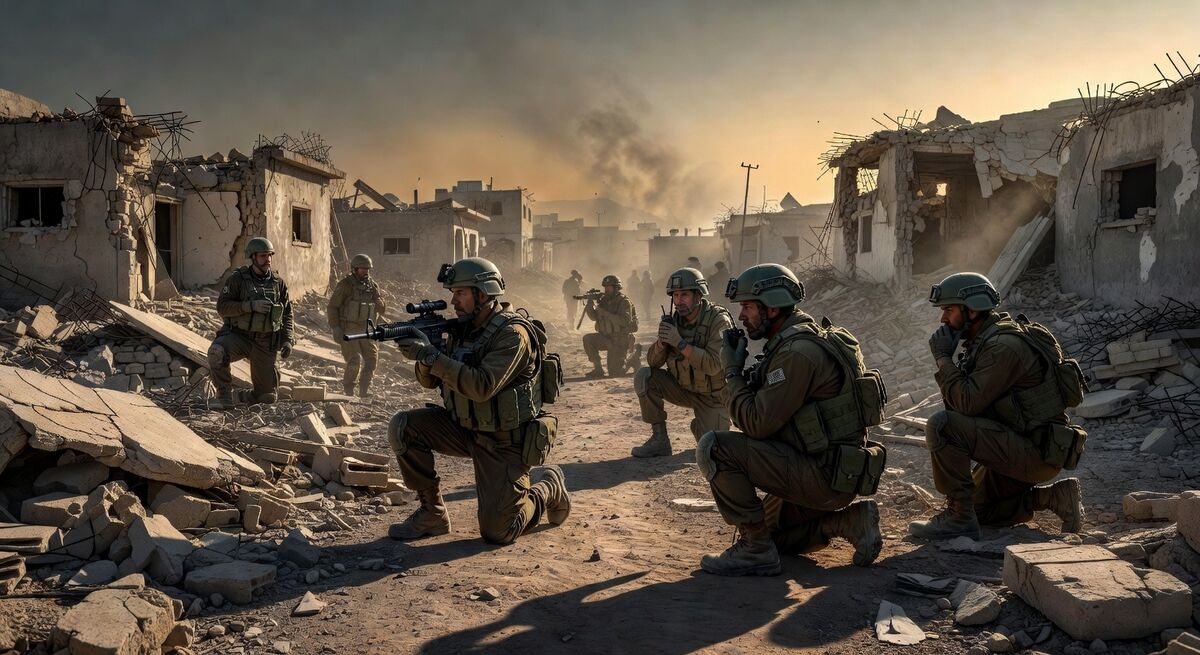
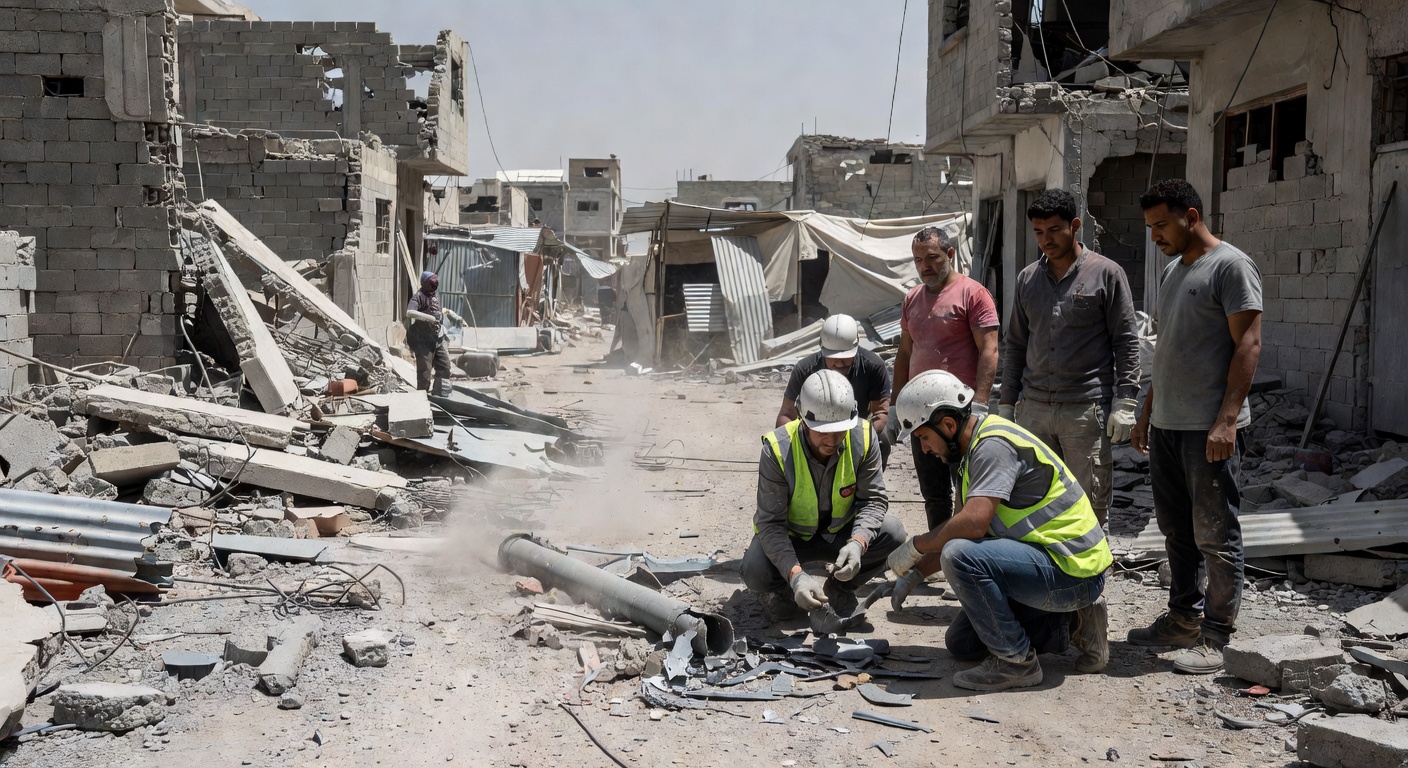
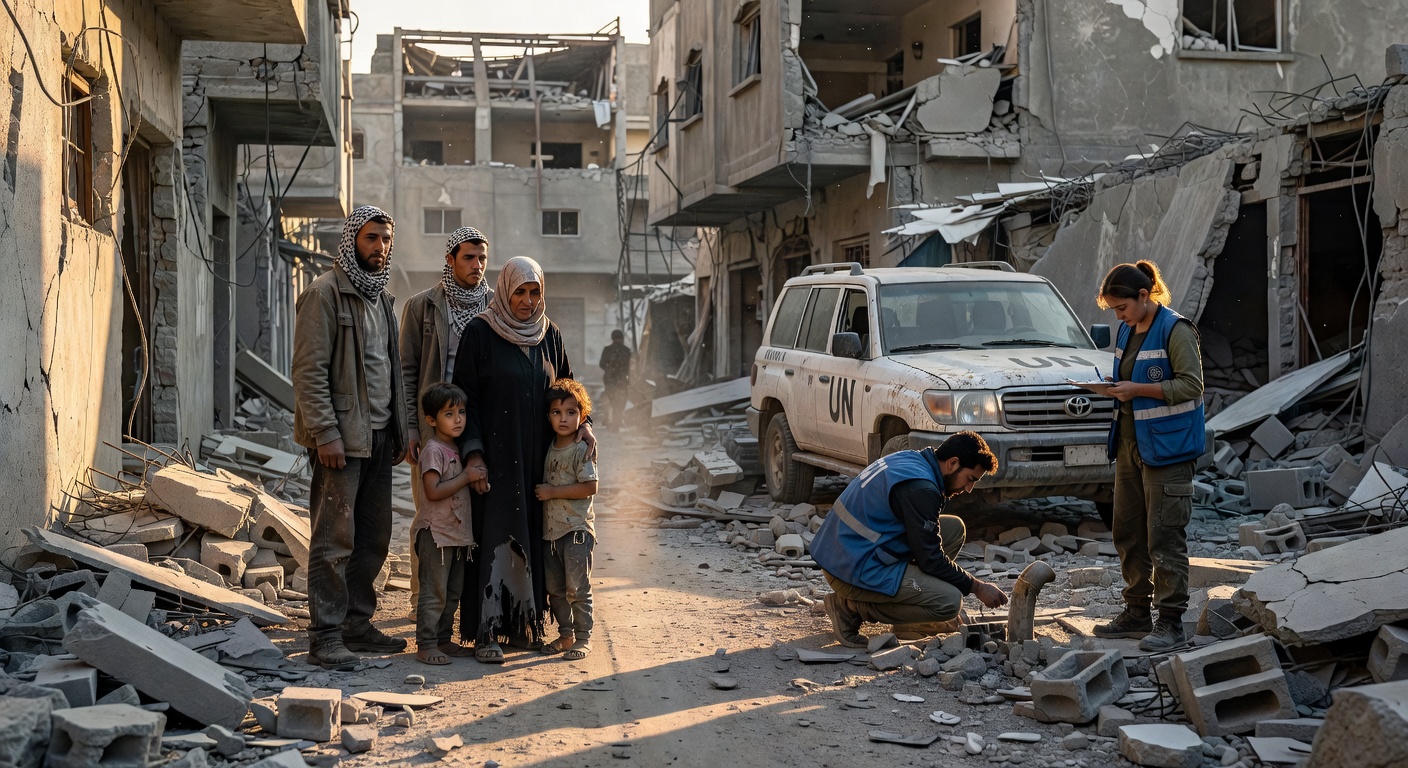
Gaza Ceasefire Under Renewed Strain as Israeli Strikes Target Nuseirat and Bureij Refugee Camps
The fragile ceasefire in Gaza faces renewed strain following reported Israeli attacks on densely populated refugee camps in central Gaza. This development underscores the persistent challenges in sustaining peace agreements amid entrenched regional tensions, where even localized incidents can rapidly erode hard-won diplomatic gains.
Why This Video Matters Right Now
In the months since the October 10 ceasefire took effect, daily incidents have continued to claim Palestinian lives, with official tallies exceeding 880 fatalities. Middle East Eye's coverage arrives at a critical juncture when international observers are closely monitoring compliance, humanitarian access, and the potential for renewed escalation. The video highlights how localized military actions can undermine broader diplomatic efforts and affect millions of displaced civilians. Beyond immediate casualties, these strikes expose systemic vulnerabilities in post-conflict recovery, including damaged infrastructure that hinders aid delivery and medical services. With global attention shifting toward reconstruction pledges from donor nations, such incidents risk derailing funding commitments and perpetuating cycles of displacement that have already uprooted over 1.9 million Gazans since October 2023.
Concrete examples from similar past truces, such as the 2021 ceasefire that collapsed after weeks of sporadic violations, illustrate how unaddressed incidents can snowball into wider conflict. Future implications include strained relations between Israel and mediators like Qatar and Egypt, whose shuttle diplomacy secured the current agreement, potentially complicating negotiations for hostage releases or border reopenings. International bodies like the UN and EU have issued statements urging restraint, yet enforcement remains limited without binding mechanisms.
Detailed Video Analysis
The 3-minute-42-second report opens with aerial and ground footage of damaged residential buildings in Nuseirat and Bureij camps. Reporters on the ground describe explosions and structural collapses occurring on a Saturday morning despite the standing truce. The production employs a measured visual approach, intercutting static wide shots of smoke plumes with handheld sequences capturing civilian responses, which lends authenticity without descending into graphic sensationalism.
Key moments include: - 0:18–0:52: Establishing shots of smoke rising over camp rooftops accompanied by narration citing local sources, establishing geographic context within the densely packed alleys of the camps. - 1:05–1:40: Interviews with residents showing destroyed homes and injured civilians being carried to makeshift medical points. This highlights the human cost through personal testimonies rather than statistics alone. - 2:10–2:45: On-screen graphics displaying cumulative casualty figures from Gaza's Health Ministry since the ceasefire began, providing viewers with a quantitative anchor for the narrative.
Additional analysis reveals the report's careful framing: by focusing on civilian infrastructure rather than military targets, it implicitly questions proportionality under international humanitarian law. The tone remains measured and factual, avoiding sensational language while emphasizing visual evidence of destruction. Production quality is high, with steady camerawork and clear Arabic-to-English subtitling that ensures accessibility for international audiences. Claims center on the continuation of near-daily strikes, resulting in at least 883 deaths and 2,648 injuries since October 10. These assertions are presented alongside calls for independent verification, reflecting journalistic caution in a contested information environment. Future implications of such reporting include shaping legal cases at the International Criminal Court, where visual evidence from independent outlets has proven important in past inquiries.
Broader Context
Middle East Eye, an independent London-based outlet founded in 2014, has built a reputation for on-the-ground reporting from conflict zones. Its Gaza coverage often prioritizes Palestinian perspectives and casualty data from local health authorities, filling voids left by larger networks constrained by access restrictions. The channel operates within YouTube's complex ecosystem where conflict content receives significant reach yet faces heightened scrutiny over monetization and misinformation policies, including demonetization flags for graphic imagery.
Current platform trends show increased viewer interest in primary-source footage from Gaza, yet algorithms simultaneously deprioritize videos that risk violating community guidelines on graphic content. This tension reflects wider debates about how digital platforms shape narratives during active hostilities, as seen in similar reporting from Ukraine and Sudan. For instance, MEE's approach mirrors that of outlets like AJ+ in prioritizing field dispatches, yet it must navigate advertiser-friendly thresholds that often disadvantage independent voices covering asymmetric conflicts. Concrete examples include MEE's 2022 coverage of Jenin raids, which gained millions of views despite temporary restrictions. Future implications involve evolving creator economy dynamics, where sustained funding from foundations like the Open Society Foundations allows MEE to maintain editorial independence amid platform pressures.
Impact & Audience Reaction
Early engagement metrics indicate strong viewership within the first 48 hours, driven by the channel's established subscriber base and algorithmic promotion of timely conflict updates. Comments sections reveal polarized reactions: some viewers praise the outlet for documenting alleged violations, while others question source verification and demand additional context from Israeli military statements. This polarization mirrors patterns observed in prior Gaza coverage, where videos accumulate thousands of comments debating casualty methodologies within hours of upload.
Culturally, such videos contribute to global awareness of humanitarian conditions and influence advocacy campaigns, including petitions to the UN Human Rights Council. They also highlight ongoing challenges in the creator economy, where independent journalists balance editorial independence against platform policies that can limit revenue on sensitive topics. Algorithmic amplification can boost reach to millions yet risks echo-chamber effects, as engagement data from similar MEE reports shows higher retention among audiences already attuned to Middle East affairs. Future implications point to potential shifts in public policy, as sustained viewership pressures governments to revisit arms export policies or increase humanitarian funding.
Key Takeaways - Ceasefire agreements require sustained monitoring as isolated strikes risk eroding trust between parties and inviting reciprocal actions. - Local health ministry data remains a primary but contested source for casualty figures in Gaza, necessitating cross-verification with satellite imagery and third-party assessments. - Independent outlets like Middle East Eye fill gaps left by mainstream coverage through direct field reporting, though they operate under platform constraints that affect visibility. - YouTube's recommendation systems amplify conflict footage while simultaneously applying content restrictions, creating uneven monetization landscapes for conflict journalists. - Refugee camp infrastructure continues to bear the brunt of military actions, complicating post-ceasefire recovery and long-term reconstruction planning. - International diplomacy must address enforcement mechanisms to prevent incremental violations from unraveling truces, with potential roles for expanded observer missions.
Conclusion
This report illustrates how quickly fragile ceasefires can unravel without robust verification and accountability measures. Looking ahead, sustained international engagement and transparent reporting will prove essential if the October agreement is to evolve into lasting stability rather than another temporary pause in hostilities. Future developments may hinge on whether digital platforms refine their policies to better support verified conflict journalism, ultimately shaping public understanding and policy responses for years to come.
Source: Middle East Eye via YouTube — 2026-05-23T01:02:34+00:00.
- Breaking News Analysis
- World Politics
- Business & Economy
- Technology & AI
- Science & Health
- Environment & Climate
- Culture & Society
- Travel & Tourism
- Sports & Entertainment
- Investigative Journalism
- Opinion & Commentary
- Media & Journalism
- Human Rights & Social Issues
- Education & Knowledge
- Citizen & Amateur Journalism
- Other News Topics

 English
 Arabic
 French
 Spanish
 Portuguese
 Deutsch
 Turkish
 Dutch
Dutch
 Italiano
 Russian
 Portuguese (Brazil)
 Greek
Greek