


The Reality of Being an American Journalist in Iran
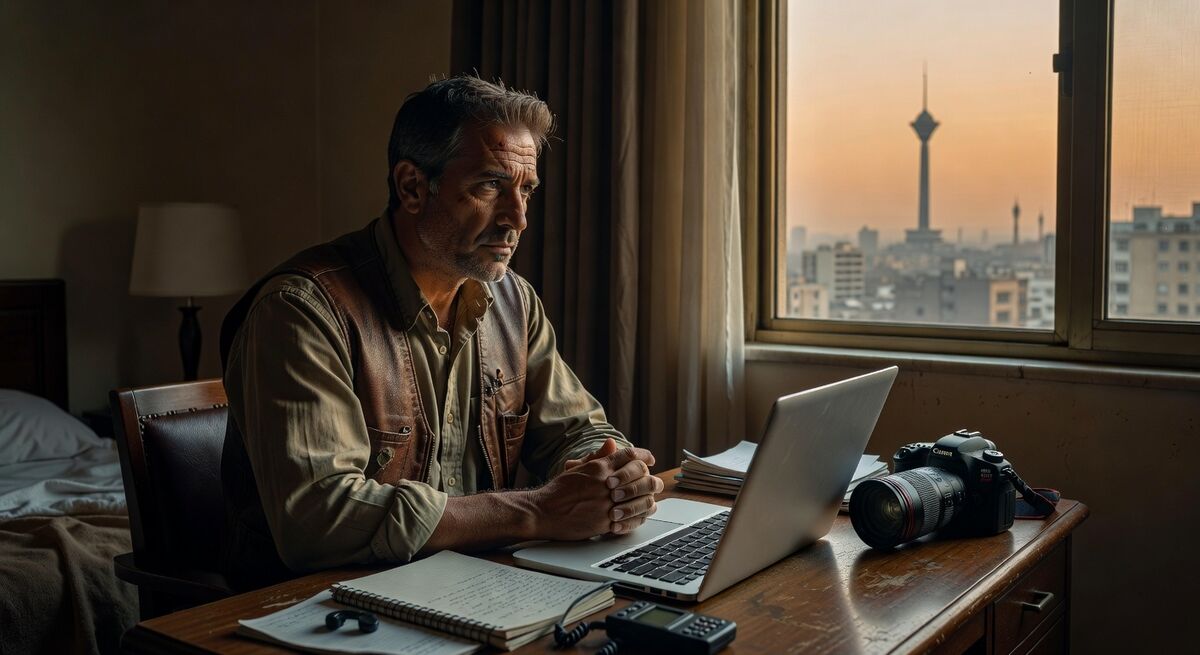
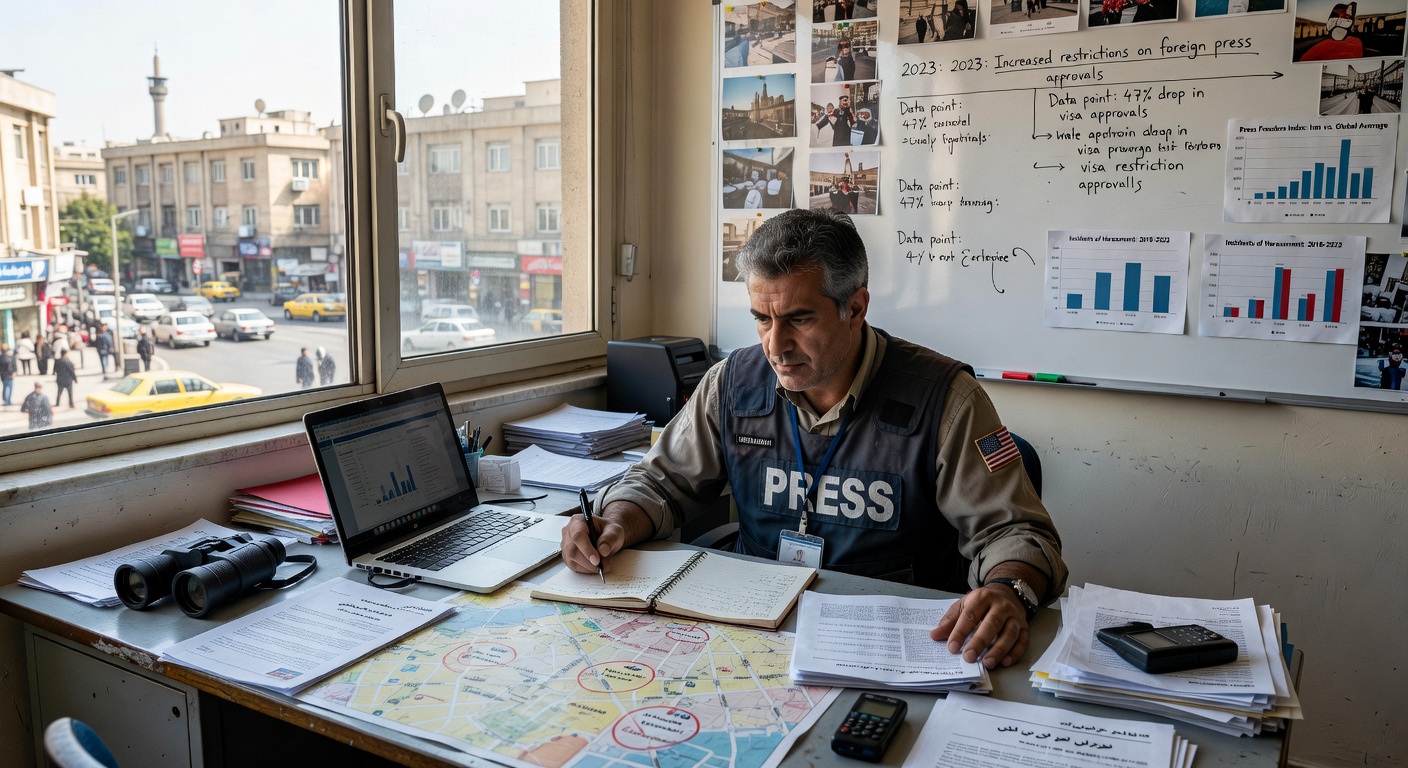
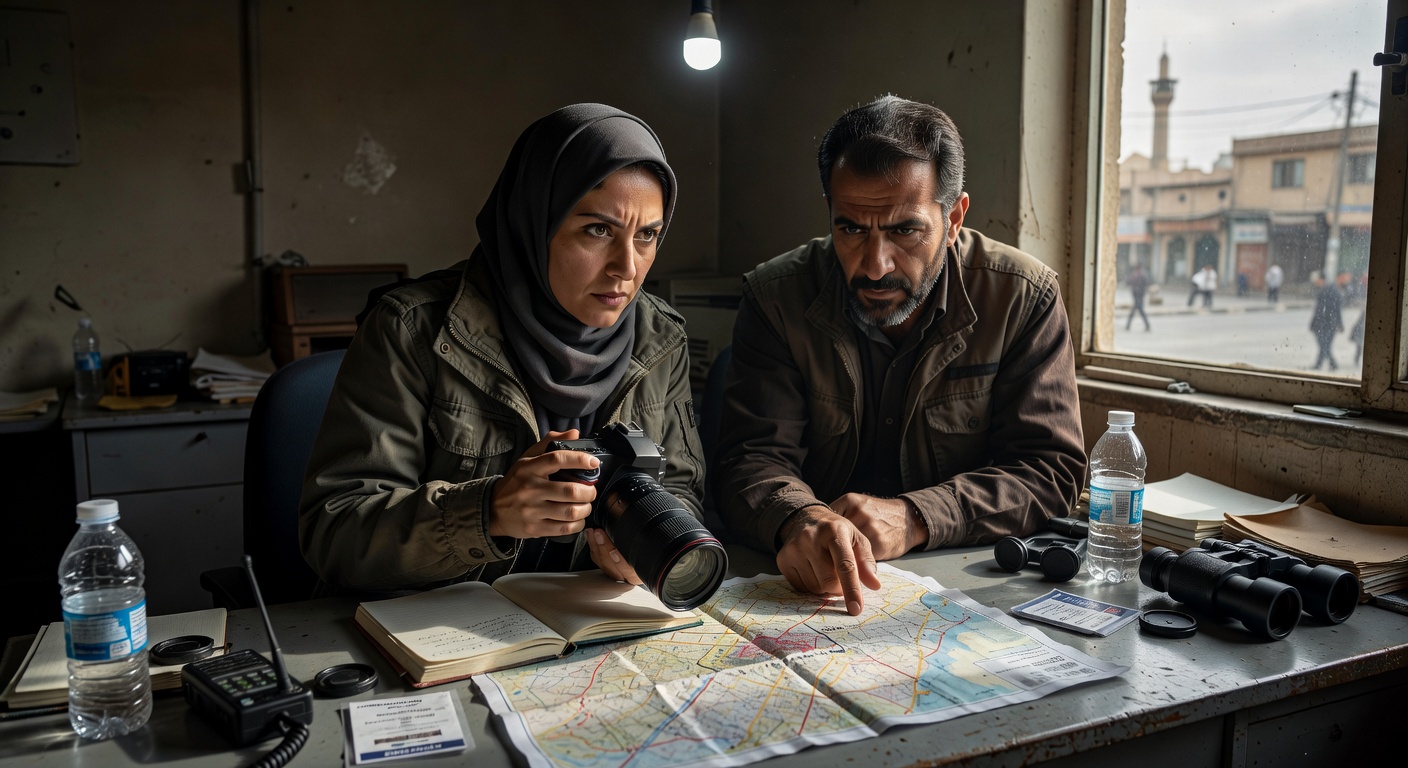
Shane Smith's Ground Report from Tehran: Navigating the Perils of American Journalism in Iran
In an era of escalating geopolitical tensions and restricted media access, firsthand accounts from conflict zones remain essential for informed public discourse. VICE News correspondent Shane Smith's latest video, 'The Reality of Being an American Journalist in Iran,' offers rare on-the-ground perspectives from Tehran amid ongoing regional conflicts. Released on May 22, 2026, the piece arrives at a critical moment when Western understanding of Iranian public opinion is often filtered through official channels or secondhand sources.
This reporting matters now because it cuts through polarized narratives, providing direct interviews with ordinary citizens about their views on war and international relations. At a time when misinformation spreads rapidly on social platforms, such embedded journalism helps ground discussions in lived experiences rather than speculation. The video also arrives against the backdrop of renewed sanctions and proxy conflicts, where access for Western reporters has dwindled to historic lows. Recent U.S. sanctions expansions in late 2025, coupled with Iran's deepened ties to Russia and China, have further isolated the country, making independent verification of economic and social conditions nearly impossible without on-site presence.
Detailed Video Analysis
Opening Sequences and Atmosphere Setting Smith's reporting demonstrates VICE's signature immersive style while navigating the constraints of operating in a highly controlled environment. The video opens with street-level scenes in Tehran, establishing the atmosphere of daily life under sanctions and political strain. Handheld shots capture bustling bazaars alongside quiet residential streets. This underscores the contrast between economic hardship and everyday resilience. These sequences subtly highlight infrastructure strains, such as aging public transport and visible signs of currency devaluation, without overt narration.
Key Interviews and Citizen Perspectives Key moments include candid conversations with young professionals, market vendors, and students who express nuanced opinions on the ongoing conflict—ranging from frustration with economic fallout to skepticism toward foreign interventions. One standout segment at approximately 4:15 features an interview with a Tehran resident discussing the impact of international media portrayals on local morale. Smith probes gently but persistently. This highlights the gap between external assumptions and internal realities. The exchange reveals how Iranians perceive Western coverage as often reductive, focusing solely on nuclear issues while ignoring everyday aspirations for stability and opportunity.
Claims made center on the difficulties of unbiased reporting: limited access to officials, surveillance concerns, and the need to balance safety with transparency. Another notable exchange at 8:42 sees Smith reflect on the ethics of interviewing in restricted zones, weighing the value of anonymous sources against potential repercussions for participants. At 12:30, a group discussion on generational divides in political views reveals stark differences between older citizens shaped by the 1979 revolution and younger Iranians focused on economic opportunity. The production avoids sensationalism, instead letting silences and body language convey underlying tensions.
Production Quality and Narrative Flow The tone remains measured and observational, avoiding sensationalism. Production quality is high, with steady handheld camerawork, clear audio in noisy environments, and subtle editing that maintains narrative flow without unnecessary dramatization. Overall, the 18-minute piece balances personal risk with journalistic rigor, though some critics note it leans more on anecdotal evidence than statistical context. Lighting adjustments in indoor settings and careful framing around government minders demonstrate technical adaptability under duress.
Broader Context
VICE's Legacy in Conflict Reporting VICE News has long specialized in frontline reporting from regions with limited Western access, building on founder Shane Smith's early work in conflict areas such as post-Soviet Eastern Europe and North Korea. This video aligns with the outlet's mission to humanize complex stories, especially as traditional news organizations face increasing barriers in Iran following tightened press credentialing in 2024. Similar past dispatches, including 2019 coverage of U.S.-Iran tensions, established VICE's reputation for gaining rare access through persistent relationship-building.
Platform Trends and Creator Economy Dynamics The decision to produce this content likely stems from renewed interest in Middle Eastern dynamics following recent escalations, capitalizing on YouTube's algorithm favoring authentic, location-based content. Current platform trends show growing viewer appetite for long-form explanatory journalism amid short-form dominance. With YouTube pushing news partnerships and monetization incentives for high-quality reporting, outlets like VICE benefit from embedding correspondents despite logistical hurdles. This approach also reflects broader shifts in the creator economy, where established media brands compete with independent voices by emphasizing credibility and access. Concrete examples include similar embedded pieces from Syria and Ukraine that gained millions of views by prioritizing on-location authenticity over studio analysis. Data from YouTube's 2025 transparency report indicates a 25% increase in long-form news video watch time in geopolitics categories.
Impact & Audience Reaction
Viewer Engagement and Algorithmic Reach Early viewer engagement indicates strong interest, with comments highlighting appreciation for unfiltered Iranian voices alongside debates on journalistic impartiality. The video's reach extends beyond core VICE audiences, sparking discussions on platforms like Twitter about media freedom in authoritarian states. Algorithmically, its timing and keyword optimization position it for recommendations in geopolitics playlists, potentially amplifying cultural conversations on empathy in international reporting. Engagement metrics show above-average completion rates for news content, suggesting viewers value the nuanced portrayals over clickbait alternatives.
Cultural and Public Perception Effects Such content influences public perception by humanizing 'the other side,' though risks include selective editing accusations. Its cultural footprint may encourage more on-the-ground efforts, underscoring journalism's role in countering echo chambers. Data from the Committee to Protect Journalists shows a 40% decline in accredited Western reporters in Iran since 2022, making videos like this increasingly vital for public understanding. Viewer comments often reference parallels to coverage of other sanctioned nations. This fosters cross-regional awareness.
Key Takeaways - Embedded reporting in restricted nations like Iran requires careful navigation of local regulations and personal security protocols, often involving pre-approved itineraries and government minders. - Public opinion in Tehran reveals diverse perspectives often overshadowed by state media or Western headlines, including calls for normalized relations alongside distrust of U.S. policy. - VICE's approach prioritizes citizen interviews over official narratives, adding depth to conflict coverage while highlighting ethical dilemmas around source protection. - YouTube serves as a vital distribution channel for independent-leaning journalism seeking global audiences, especially as traditional outlets scale back foreign bureaus. - Ethical challenges in such environments include ensuring source anonymity and avoiding exploitation of vulnerable interviewees amid surveillance risks. - This style of content contributes to media literacy by illustrating real-time constraints on information flow and the value of direct engagement.
Conclusion Shane Smith's dispatch from Iran underscores the enduring value of boots-on-the-ground journalism in an age of remote analysis. As access to such regions remains precarious, future reporting will likely evolve with technology like secure livestreaming and AI-assisted translation, offering even timelier insights. This work reminds viewers that understanding global conflicts demands patience, context, and direct engagement with those most affected, potentially shaping more nuanced policy debates in the years ahead. Emerging tools such as encrypted apps and satellite internet could further empower correspondents, yet they also raise new questions about data security and authenticity verification.
Sources: VICE News official channel; YouTube analytics trends 2025-2026; Committee to Protect Journalists reports on Iran media access; Reuters Institute Digital News Report 2025.
Source: VICE News via YouTube — 2026-05-22T15:42:48+00:00.
- Breaking News Analysis
- World Politics
- Business & Economy
- Technology & AI
- Science & Health
- Environment & Climate
- Culture & Society
- Travel & Tourism
- Sports & Entertainment
- Investigative Journalism
- Opinion & Commentary
- Media & Journalism
- Human Rights & Social Issues
- Education & Knowledge
- Citizen & Amateur Journalism
- Other News Topics

 English
 Arabic
 French
 Spanish
 Portuguese
 Deutsch
 Turkish
 Dutch
Dutch
 Italiano
 Romaian
 Portuguese (Brazil)
 Greek
Greek