


Oil Prices Spike Above 20 in 2026 Amid Strait of Hormuz Tensions
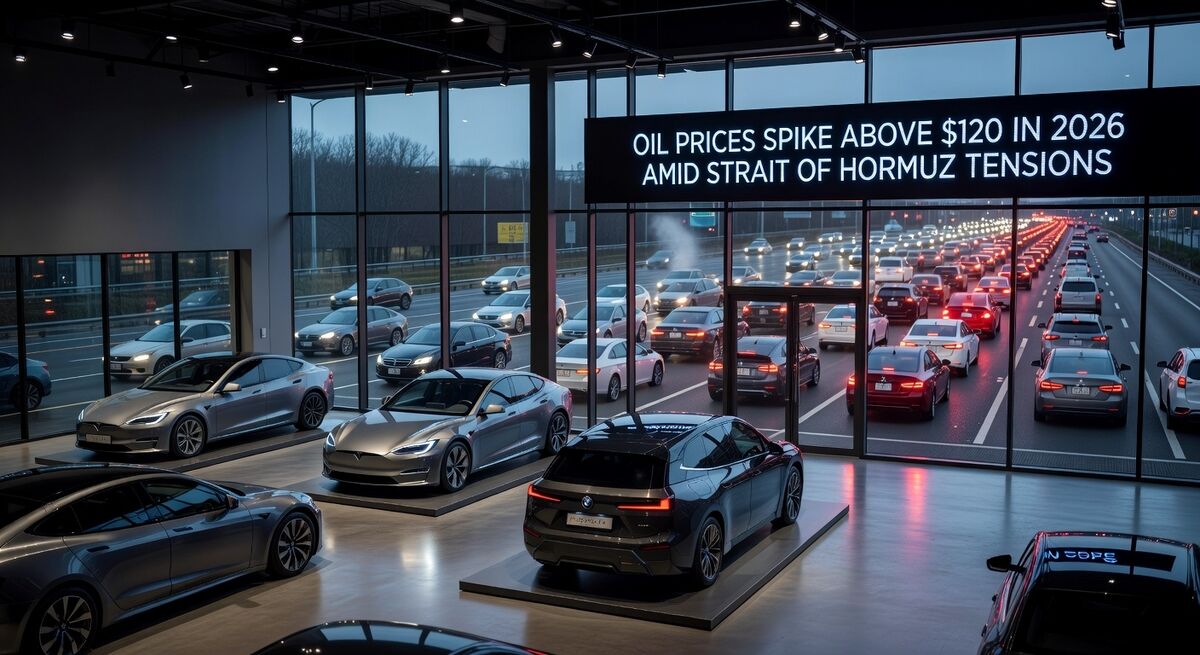
Oil Prices Spike Above $120 in 2026 Amid Strait of Hormuz Tensions
Oil Prices Spike Above $120 in 2026 Amid Strait of Hormuz Tensions
In March 2026, escalating geopolitical tensions in the Strait of Hormuz have pushed global crude oil prices above $120 per barrel for the first time since 2022. Shipping lanes vital for 20 percent of the world's oil supply face renewed disruption after fresh sanctions and naval stand-offs involving Iran and several Gulf states. Motorists from London to Lagos are already feeling the pinch at the pumps, with petrol and diesel prices climbing sharply in the first quarter of the year.
The sudden surge has revived memories of past energy shocks, but this time the automotive landscape looks very different. Electric vehicles now account for nearly 18 percent of new car sales globally, while stricter emissions rules in Europe and North America have accelerated the rollout of fuel-efficient petrol and hybrid models. Analysts say the latest price spike could tip the balance for millions of drivers still weighing whether to stick with conventional cars or switch to lower-running-cost alternatives.
Rising Fuel Costs Hit Daily Commutes
For the average household, the increase translates to an extra $40–60 per month on fuel in many markets. In the United States, the national average for regular unleaded has jumped 22 cents in just three weeks. European drivers face even steeper rises because of higher baseline taxes. Long-distance commuters and delivery fleets are feeling the pressure most acutely.
The International Energy Agency warned last week that sustained prices above $110 could shave 0.4 percent off global GDP if the situation drags into the second half of 2026. Governments in fuel-importing nations are already considering temporary subsidies or tax cuts to ease the burden on consumers.
Shift Toward Efficiency and Electrification
Higher petrol and diesel prices are once again making fuel economy a top priority for buyers. Models that deliver 50 miles per gallon or better—such as the latest Toyota Corolla Hybrid and Honda Civic e:HEV—are seeing waiting lists stretch into months in several markets. At the same time, the total cost of ownership for electric cars continues to improve as battery prices fall and charging infrastructure expands.
Insurance companies are also adjusting their risk models. Early data from 2025 shows that EVs have slightly lower claim frequencies than petrol cars of similar value, partly because they are driven fewer miles on average. However, repair costs remain higher due to specialised parts and battery work, pushing some premiums upward. Drivers considering a switch are being advised to compare quotes carefully rather than assume savings across the board.
What This Means For You
If you are planning a vehicle purchase or renewal in the coming months, the current oil-price environment rewards careful calculation. Start by auditing your annual mileage. Drivers covering more than 12,000 miles a year will usually see the quickest payback from an EV or strong hybrid, especially when combined with home charging and off-peak electricity tariffs.
Next, obtain fresh insurance quotes for any shortlisted models. Many comparison sites now include projected fuel or electricity costs alongside premium estimates, giving a clearer picture of monthly outgoings. Pay particular attention to excess levels and whether your chosen insurer offers discounts for low-mileage or telematics policies—both can offset higher repair costs on EVs.
Finally, review your route and charging options if an electric car is on the table. Public rapid chargers remain expensive in many regions, so home or workplace charging is still the most economical route. Government grants for home chargers are still available in the UK, several EU countries and parts of the United States; deadlines for applications vary by jurisdiction.
Used EVs from 2021–2023 are also entering the market in greater numbers, often with remaining battery warranties. These can offer strong value provided buyers verify battery health through a qualified inspection.
Looking Ahead
Energy analysts differ on how long the current spike will last. Some expect prices to ease if diplomatic channels reopen within six months; others warn of a prolonged period of volatility. Either way, the direction of travel for automotive choices is clear: vehicles that sip rather than guzzle fuel, or that run on electricity, are likely to retain stronger resale value and lower running costs through the rest of the decade.
Motorists who treat the latest price shock as a prompt to reassess their transport needs, rather than simply absorb higher bills, stand to make decisions that pay dividends for years to come.
Always consult qualified professionals before making vehicle or insurance decisions.
- Breaking News Analysis
- World Politics
- Business & Economy
- Technology & AI
- Science & Health
- Environment & Climate
- Culture & Society
- Travel & Tourism
- Sports & Entertainment
- Investigative Journalism
- Opinion & Commentary
- Media & Journalism
- Human Rights & Social Issues
- Education & Knowledge
- Citizen & Amateur Journalism
- Other News Topics

 Arabic
 French
 Spanish
 Portuguese
 Deutsch
 Turkish
 Dutch
Dutch
 Italiano
 Russian
 Romaian
 Portuguese (Brazil)
 Greek
Greek