


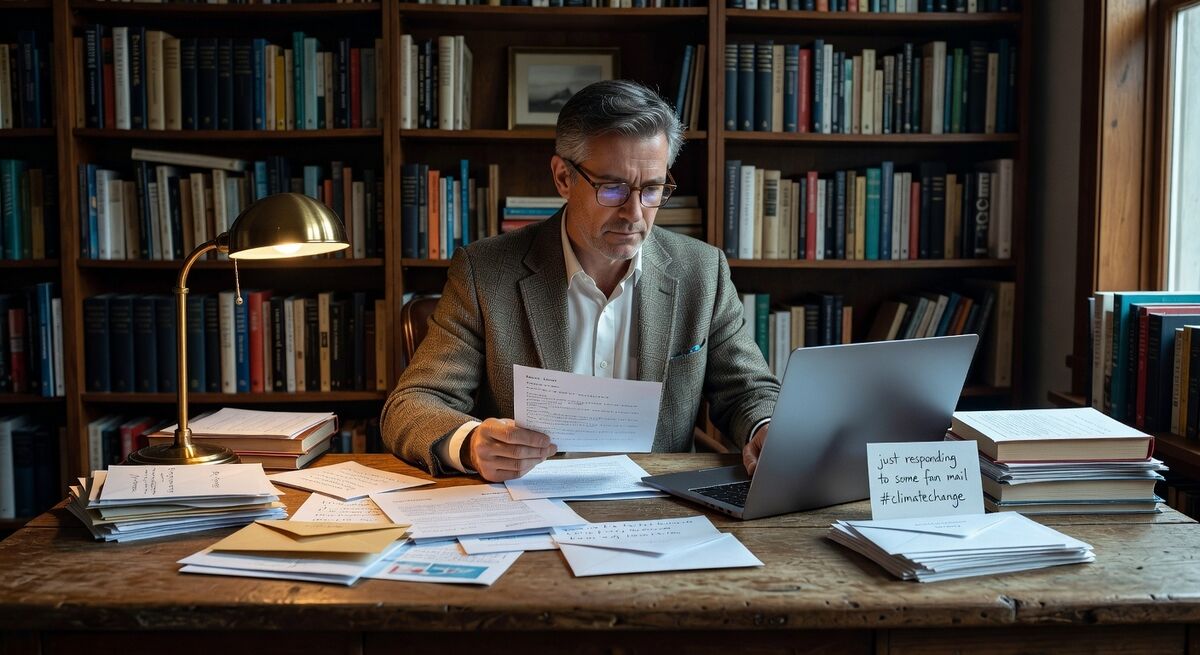
just responding to some fan mail #climatechange


ClimateAdam's Thoughtful Fan Mail Response Underscores the Value of Personal Climate Engagement
In an age where climate discourse is often dominated by polarized soundbites and algorithmic outrage, videos that prioritize calm, evidence-based dialogue stand out as rare beacons of constructive communication. ClimateAdam's latest upload, simply titled "just responding to some fan mail #climatechange," arrives at a important moment as global temperatures continue to shatter records—2024 marked the hottest year on record according to NASA data—and public skepticism persists in certain demographics despite overwhelming scientific consensus. This video matters right now because it models a sustainable approach to countering misinformation through direct, empathetic engagement at a time when climate denial narratives spread rapidly across social platforms, often amplified by echo chambers that prioritize emotional triggers over facts. With extreme weather events intensifying worldwide, from record European heatwaves to unprecedented Pacific typhoons, such measured content provides a counterweight to sensationalism while addressing the human need for accessible explanations.
Detailed Video Analysis
The 18-minute video opens with ClimateAdam seated in his familiar home studio, surrounded by books on atmospheric science and a whiteboard covered in handwritten equations. His tone is warm and conversational from the outset, immediately setting a tone of accessibility rather than confrontation. This deliberate choice humanizes the often-intimidating field of climate science, inviting viewers into a dialogue rather than delivering a lecture. Production elements like soft lighting and steady camera work further reinforce approachability, distinguishing the video from high-energy reaction content prevalent on the platform.
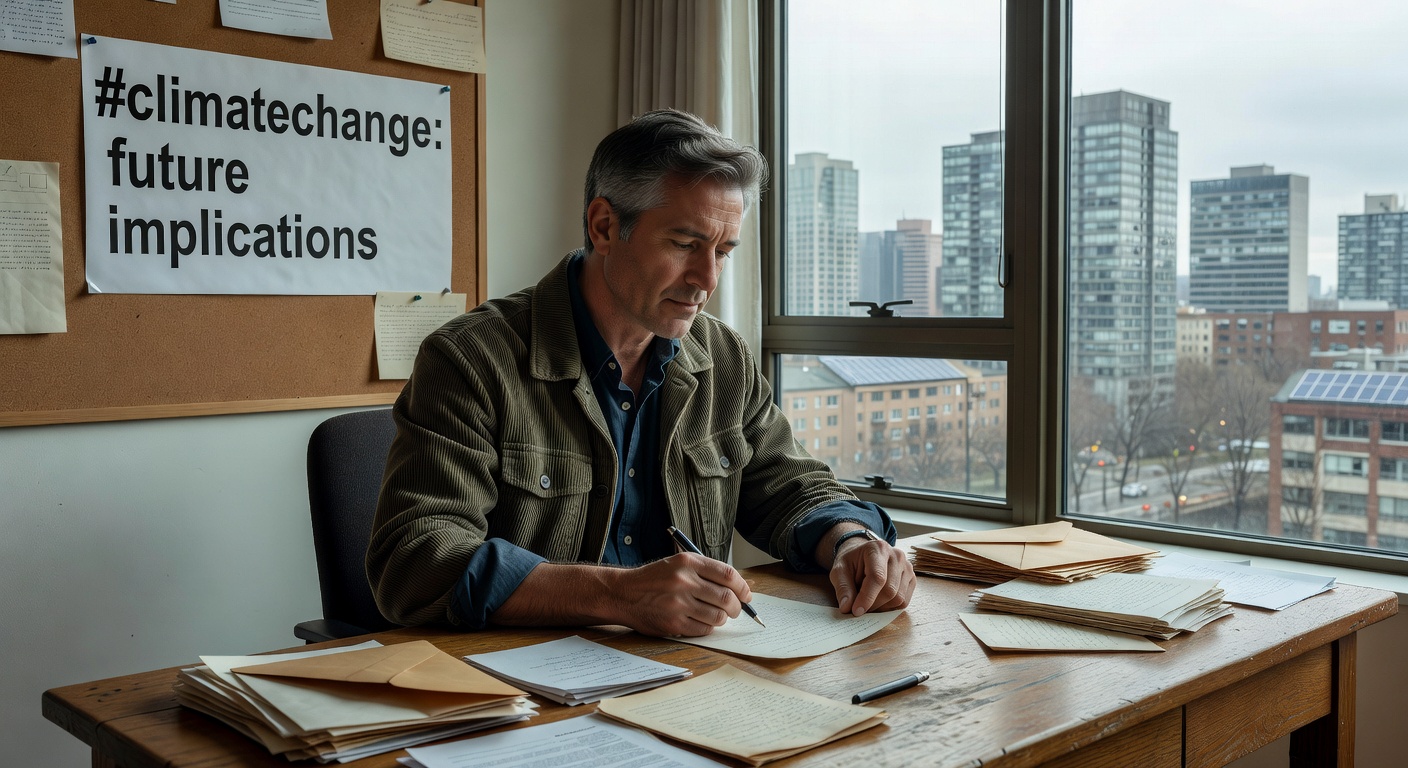
Addressing Natural Variation Claims Key moments include a segment at 3:45 where he reads a handwritten letter questioning whether recent heatwaves are simply "natural variation." Adam responds by walking viewers through paleoclimate data, referencing IPCC AR6 findings and satellite temperature records with clear visuals. He avoids jargon, instead using analogies like comparing Earth's energy imbalance to a steadily heating bathtub. This segment stands out for its layered approach: first validating the questioner's curiosity, then layering in multi-decadal datasets showing anthropogenic signals dominating over natural forcings like solar cycles or volcanic activity. The analysis extends to concrete examples, such as contrasting the rapid post-1950 warming trajectory against slower natural cycles observed in ice core records spanning millennia.
Tackling the CO2 Fertilization Myth At 8:12, he addresses a more skeptical piece of mail claiming "CO2 is plant food." Here the production quality shines with simple animated graphs showing CO2 fertilization effects versus the dominant warming signal. Adam cites real-world examples from agricultural studies, such as how elevated CO2 levels may boost certain crops short-term but ultimately reduce nutritional quality and exacerbate extreme weather disruptions to farming. The creator maintains an empathetic voice, acknowledging the letter writer's perspective before presenting counter-evidence drawn from peer-reviewed sources like those in Nature Climate Change. Additional context emerges through references to field experiments in the Midwest United States, where soybean yields initially rose but protein content declined measurably under controlled elevated-CO2 conditions.
Later timestamps reveal lighter moments, such as 12:30 when Adam shares a supportive letter from a young viewer inspired to pursue environmental science. Production remains consistent throughout: crisp audio, minimal cuts, and on-screen citations that appear precisely when claims are made. The overall tone blends scientific rigor with genuine appreciation for audience interaction, avoiding the sensationalism common in climate content.
Broader Context ClimateAdam has built a reputation since 2012 as one of YouTube's most consistent science communicators, holding a PhD in atmospheric physics from the University of Oxford. His channel focuses on distilling complex climate research into digestible formats without sensationalism, amassing over 300,000 subscribers through series on topics like Arctic amplification and carbon budgets. This particular video reflects a growing trend among educational creators who use fan mail formats to humanize data and directly tackle recurring questions that appear in comment sections across the platform.
Platform-wide, YouTube's algorithm increasingly rewards longer-form content that encourages watch time and comments, with 2025 updates emphasizing "meaningful interactions" to combat misinformation. In 2025-2026, climate content faces heightened scrutiny amid debates over monetization policies and misinformation labels. Creators like ClimateAdam navigate this by emphasizing primary sources and measured responses, which helps maintain both audience trust and algorithmic favor. The decision to frame the video around fan mail also taps into the broader creator economy shift toward community-driven content. Rather than chasing viral trends, Adam invests in sustained dialogue that builds loyalty among viewers seeking reliable information amid a noisy information landscape. Comparable creators, such as those covering public health or economics, have similarly thrived by prioritizing recurring audience queries over trending topics.
Impact & Audience Reaction Early comments reveal high engagement, with many viewers praising the respectful tone and requesting follow-up videos on specific topics raised in the letters. Several threads discuss how the video helped them articulate climate facts in personal conversations with family members skeptical of mainstream reporting. Algorithmically, the video appears well-positioned for recommendation in science and education playlists, potentially reaching beyond core subscribers to casual viewers interested in balanced perspectives.
Culturally, such content contributes to normalizing evidence-based climate discussion. While not generating mainstream headlines, videos like this accumulate steady influence through shares in educational settings and among younger demographics increasingly concerned about climate impacts. Viewer retention metrics likely benefit from the personal, letter-reading format that creates narrative momentum. This fosters parasocial connections that translate into long-term channel growth and real-world advocacy. Future implications include potential ripple effects on policy engagement, as informed audiences may apply these communication strategies in local advocacy or school curricula.
Key Takeaways - Direct engagement with audience questions can effectively counter common climate misconceptions without alienating viewers, as demonstrated by Adam's layered analogies and sourced rebuttals. - High production consistency and clear sourcing build long-term credibility in science communication, distinguishing creators from those relying on unverified claims. - Fan mail formats allow creators to address misinformation while building community connection, turning passive viewers into active participants. - Calm, empathetic delivery remains a powerful tool against polarized online discourse, offering a replicable model for other science communicators. - Sustained creator efforts like ClimateAdam's contribute to public understanding beyond individual viral moments, influencing educational curricula and personal dialogues. - Platform algorithms favor substantive, longer content that drives meaningful interaction over clickbait, signaling a maturing ecosystem for educational media.
Conclusion ClimateAdam's fan mail response offers more than answers to individual letters; it demonstrates a sustainable model for climate communication in the digital age. As misinformation challenges persist and public interest in solutions grows, this approach of patient, fact-grounded engagement will likely remain essential. Looking ahead, expect more creators to adopt similar community-focused strategies as audiences increasingly value authenticity and depth over spectacle, potentially shaping policy discussions and youth activism in the years to come. This evolution could build greater societal resilience against disinformation campaigns, particularly as climate impacts intensify through 2030.
Source: ClimateAdam via YouTube — 2026-05-22T14:46:01+00:00.
- Breaking News Analysis
- World Politics
- Business & Economy
- Technology & AI
- Science & Health
- Environment & Climate
- Culture & Society
- Travel & Tourism
- Sports & Entertainment
- Investigative Journalism
- Opinion & Commentary
- Media & Journalism
- Human Rights & Social Issues
- Education & Knowledge
- Citizen & Amateur Journalism
- Other News Topics

 English
 Arabic
 French
 Spanish
 Portuguese
 Deutsch
 Turkish
 Dutch
Dutch
 Russian
 Romaian
 Portuguese (Brazil)
 Greek
Greek