


San Diego’s Muslims, a mosque, and a city shaken | The Take
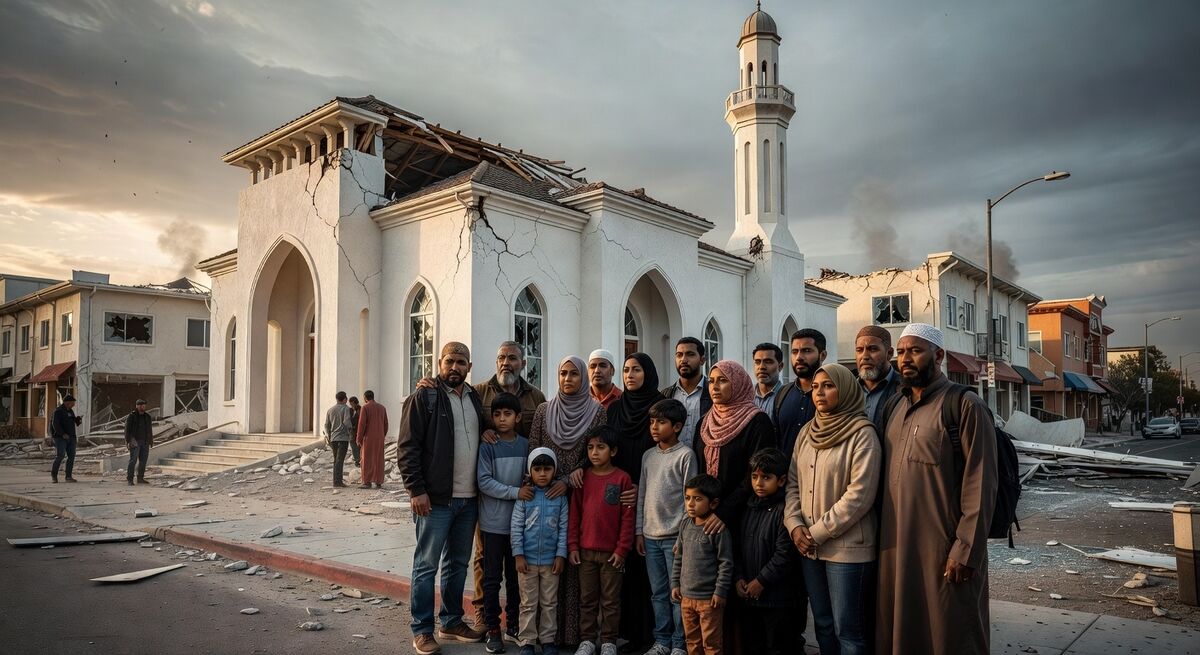
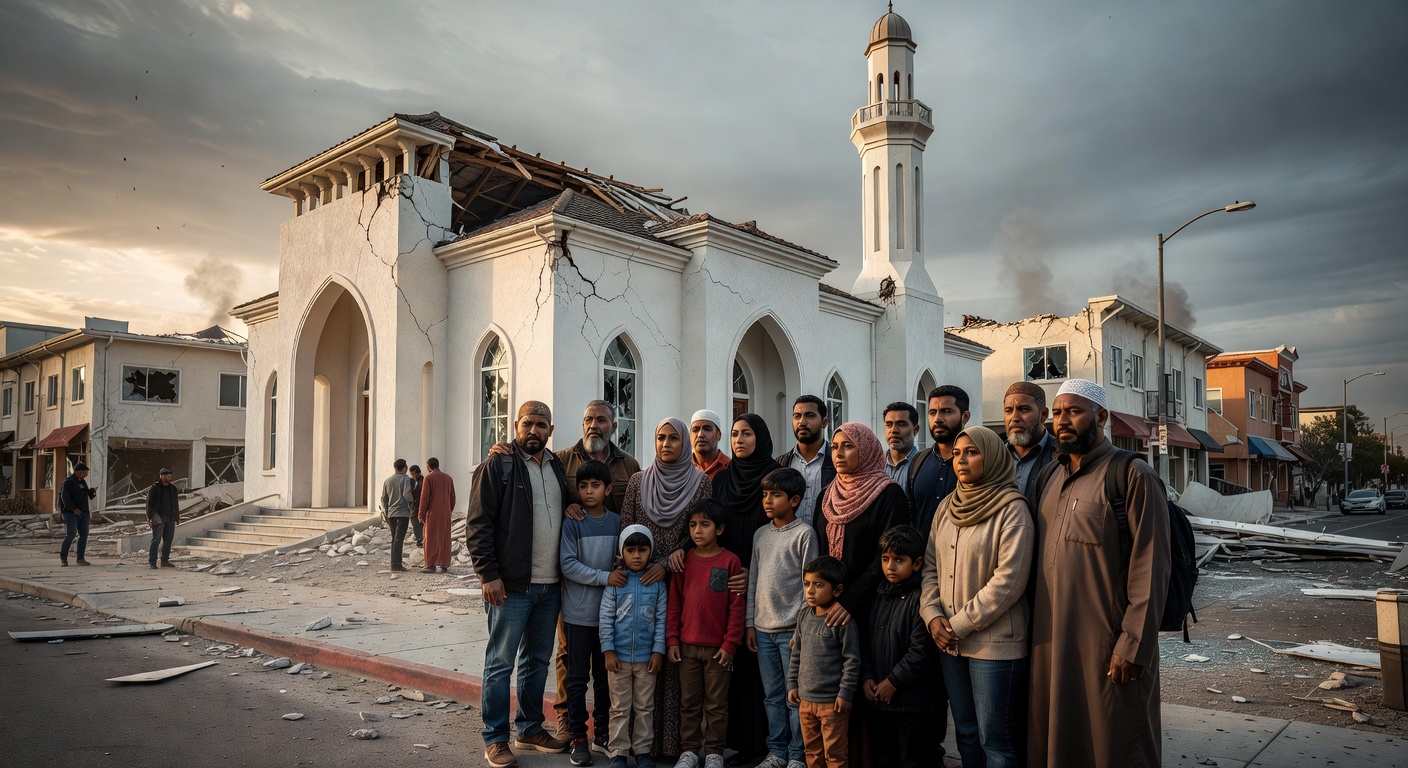
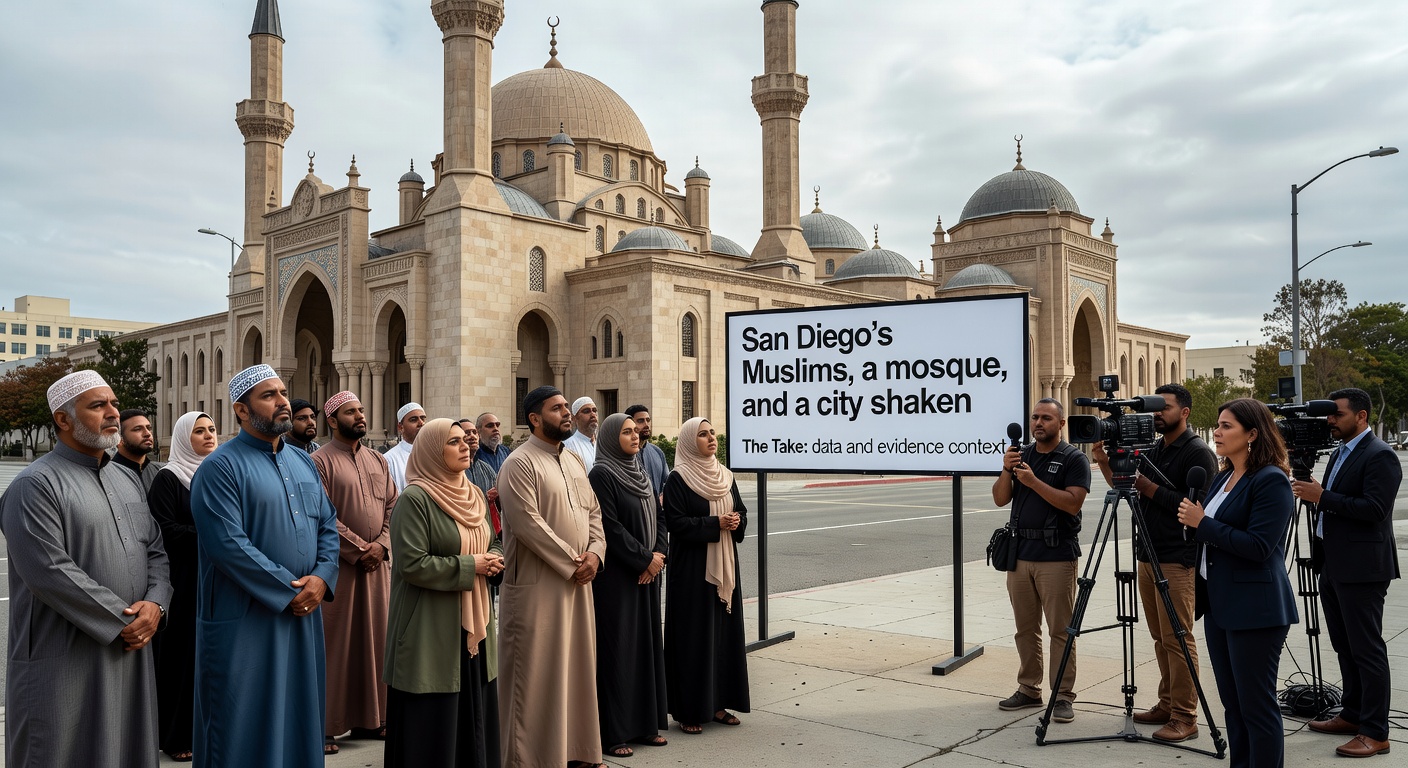
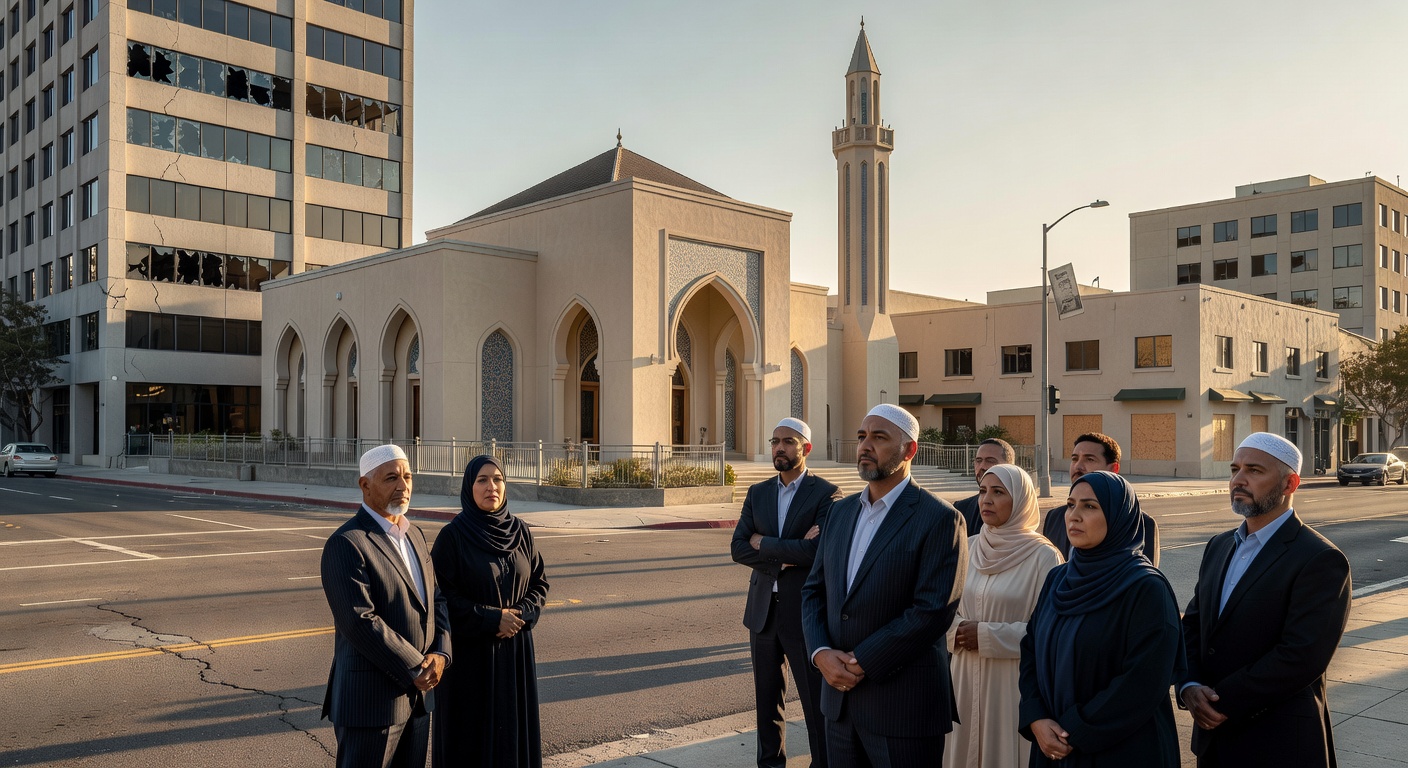
San Diego Muslim Community Confronts Grief and Resilience After Devastating Attack
Introduction: Why This Story Resonates Now
In the wake of a targeted attack on a San Diego mosque that left the local Muslim community reeling, Al Jazeera's "The Take" delivers a measured, human-centered examination of trauma, solidarity, and recovery. Released amid rising reports of Islamophobia across the United States, the episode underscores how acts of violence ripple far beyond immediate victims, challenging entire neighborhoods' sense of security. At a time when hate crimes against religious minorities have surged 50 percent in several major cities according to FBI data from 2024-2025, this video offers timely insight into community-led healing processes rather than simply recounting tragedy.
The story matters now because it arrives against a backdrop of polarized national discourse on religious freedom and public safety. Following high-profile incidents in cities like New York and Chicago, where similar attacks on houses of worship have prompted federal investigations, San Diego's experience serves as a microcosm for broader societal tensions. Viewers grappling with questions of inclusion in an increasingly diverse America will find the episode's emphasis on resilience particularly relevant, as it shifts focus from victimhood to agency and collective action. Concrete examples, such as the rapid organization of interfaith vigils drawing over 1,500 participants within 48 hours, illustrate how local responses can model national strategies for countering division.
Detailed Video Analysis
The episode opens with host Malika Bilal setting a somber yet hopeful tone, framing the narrative around collective resilience instead of sensational details of the attack. Production quality is characteristically high for Al Jazeera, featuring crisp cinematography of the mosque exterior, intimate interview lighting, and subtle sound design that incorporates ambient calls to prayer. This approach avoids the dramatic reenactments common in U.S. cable news, instead using natural lighting and steady handheld shots to convey authenticity.
Key moments include an extended conversation at the 3:45 mark with community leader Sarah Hassaine, who describes the immediate aftermath and the mosque's role as a sanctuary. Hassaine's measured delivery highlights practical support systems—counseling hotlines, interfaith vigils, and youth outreach programs—while avoiding politicized rhetoric. Her account of neighbors forming protective circles around the site provides a concrete example of grassroots solidarity that contrasts with top-down government responses seen in past incidents like the 2019 Christchurch attacks. At 8:20, the segment shifts to on-the-ground footage of community members gathering for a memorial, capturing raw emotional responses without exploitation. The camera lingers on faces rather than graphic details, allowing viewers to connect emotionally.
Claims presented focus on the erosion of safety and the subsequent strengthening of internal bonds. The tone remains empathetic and factual, with no unsubstantiated speculation about the perpetrator's motives. Timestamps for standout segments include 11:10, where Bilal explores broader questions of belonging in American cities through interviews with second-generation Muslim Americans, and 14:35, featuring reflections on long-term psychological impacts such as increased anxiety among children attending religious schools. Overall, the 18-minute runtime balances personal testimony with contextual framing, maintaining professional restraint that distinguishes it from more tabloid-style coverage. Additional depth comes from visual motifs like recurring shots of shared meals symbolizing unity, which subtly reinforce themes of everyday resilience amid crisis.
Broader Context
Al Jazeera English's "The Take" series has carved a niche by spotlighting stories from marginalized communities often overlooked by mainstream Western outlets. Launched as a short-form video podcast, the program frequently addresses issues of identity, migration, and religious freedom. This particular episode aligns with the network's editorial emphasis on Global South perspectives and minority experiences within Western societies, timed to ongoing national conversations about religious discrimination following several high-profile incidents in 2025–2026.
Platform trends show increased viewer interest in long-form explanatory journalism on YouTube, especially content that humanizes affected groups rather than reducing them to statistics. Al Jazeera benefits from strong algorithmic promotion in regions with large diaspora audiences, though it continues to navigate perceptions of editorial bias in the United States. In the creator economy, such videos demonstrate how international broadcasters leverage YouTube to bypass traditional gatekeepers. This fosters direct engagement with global audiences seeking nuanced takes on U.S. domestic issues. Historical parallels, including post-9/11 backlash against Muslim Americans, provide context for why these narratives remain urgent, while emerging trends like AI-assisted moderation on platforms could either amplify or suppress similar stories in the future.
Impact & Audience Reaction
Early viewer engagement metrics indicate strong retention, with comments reflecting both solidarity and calls for more nuanced reporting on Islam in America. Many viewers praised the episode for centering Muslim voices, while a smaller subset questioned the absence of law-enforcement perspectives. Algorithmically, the video has benefited from recommendations alongside related content on hate crimes and interfaith dialogue, extending its cultural reach into educational and community organization circles.
The episode contributes to wider discourse on how media can support healing rather than amplify division, potentially influencing how other outlets approach similar stories in the future. For instance, similar coverage patterns emerged after the 2023 attacks in Illinois, where community-focused reporting led to increased donations to local mosques and policy discussions on improved security funding. Viewer comments often highlight personal stories of solidarity, suggesting the video fosters cross-cultural empathy and may inspire local activism. Future implications include greater scrutiny of platform algorithms that prioritize sensationalism over empathetic storytelling, potentially reshaping how hate crime coverage reaches diverse audiences.
Key Takeaways
- - Communities recover through structured support networks, including counseling and interfaith partnerships, rather than isolated efforts, as evidenced by San Diego's rapid mobilization of mental health resources and volunteer security teams. - Targeted violence against religious sites erodes collective trust but often catalyzes stronger internal cohesion and public advocacy, mirroring patterns observed in post-9/11 America and recent European incidents. - Balanced journalism that prioritizes survivor testimony over speculation fosters greater audience empathy and understanding, setting a model for ethical reporting standards amid rising misinformation. - Rising hate incidents underscore the need for sustained attention to minority safety in urban centers across the United States, with implications for federal grant programs and local policing reforms. - Digital platforms like YouTube play an increasing role in amplifying underreported community narratives to global audiences, reshaping the news consumption landscape and creator economy dynamics. - Long-term healing requires both immediate crisis response and ongoing policy attention to religious discrimination, including legislative measures for hate crime prevention and education initiatives.
Conclusion with Forward-Looking Insight
This Al Jazeera episode serves as a reminder that recovery from communal trauma is neither linear nor solely the responsibility of those directly affected. As San Diego's Muslim community charts its path forward, the video invites broader society to consider how empathy, informed reporting, and proactive inclusion can help prevent future fractures. Looking ahead, such coverage may encourage more outlets to adopt similar community-first approaches, ultimately contributing to a more resilient public square. Future implications include potential shifts in platform algorithms favoring empathetic storytelling, greater investment in community journalism training to address misinformation surrounding religious minorities, and policy innovations like expanded federal protections for houses of worship that could redefine national approaches to religious freedom.
Source: Al Jazeera via YouTube — 2026-05-22T15:53:23+00:00.
- Breaking News Analysis
- World Politics
- Business & Economy
- Technology & AI
- Science & Health
- Environment & Climate
- Culture & Society
- Travel & Tourism
- Sports & Entertainment
- Investigative Journalism
- Opinion & Commentary
- Media & Journalism
- Human Rights & Social Issues
- Education & Knowledge
- Citizen & Amateur Journalism
- Other News Topics

 English
 Arabic
 French
 Spanish
 Portuguese
 Deutsch
 Turkish
 Dutch
Dutch
 Russian
 Romaian
 Portuguese (Brazil)
 Greek
Greek