


Where do rocks come from?: Crash Course Geology #6
Decoding the Rock Cycle: How Crash Course Geology Illuminates Earth's Ever-Changing Geological Foundations
Educational content on YouTube continues to play a vital role in public understanding of science, particularly as interest in climate change, natural resources, and planetary processes grows. The Crash Course Geology episode "Where do rocks come from?" arrives at a moment when audiences seek clear explanations of Earth's systems amid rising discussions about sustainability and environmental policy. This video breaks down the rock cycle with precision, offering viewers a foundational grasp of how materials are continuously recycled on our planet. In an age where misinformation about natural resources can influence policy debates, such accessible science communication helps bridge the gap between academic research and everyday awareness. With global temperatures rising and debates over mining for renewable energy minerals intensifying, understanding the rock cycle provides essential context for informed citizenship. Recent surveys from the National Science Foundation indicate that only about 30 percent of American adults can correctly identify basic geological processes. This underscores the urgent need for high-quality digital explainers that reach millions without requiring formal classroom enrollment.
Detailed Video Analysis
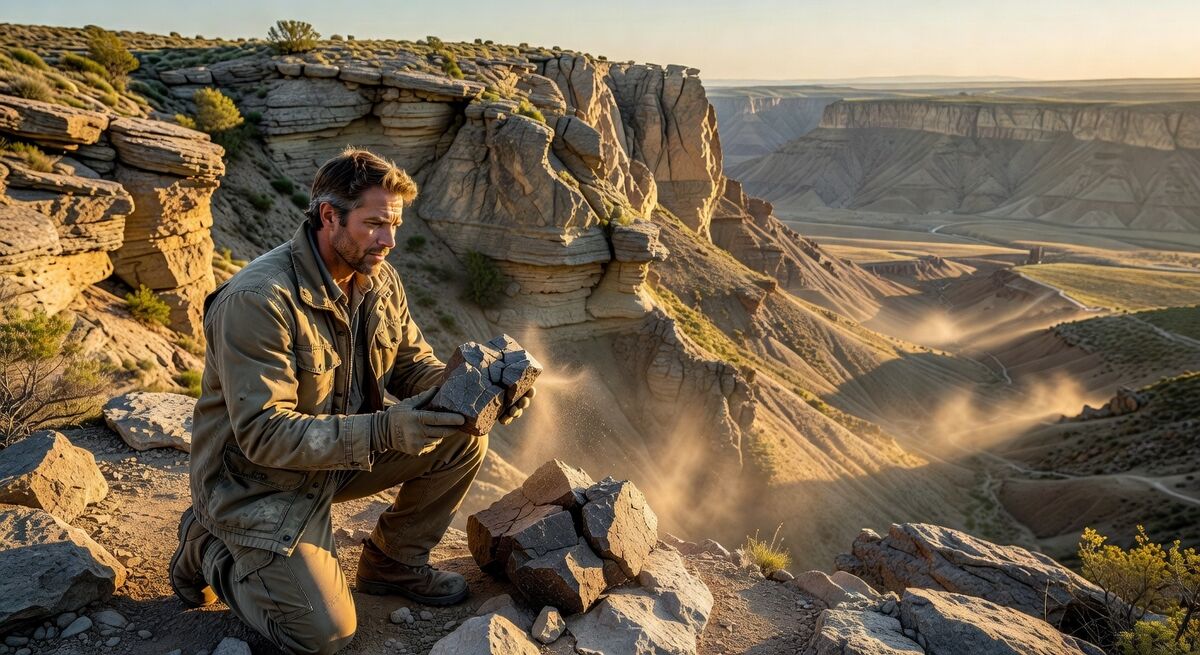
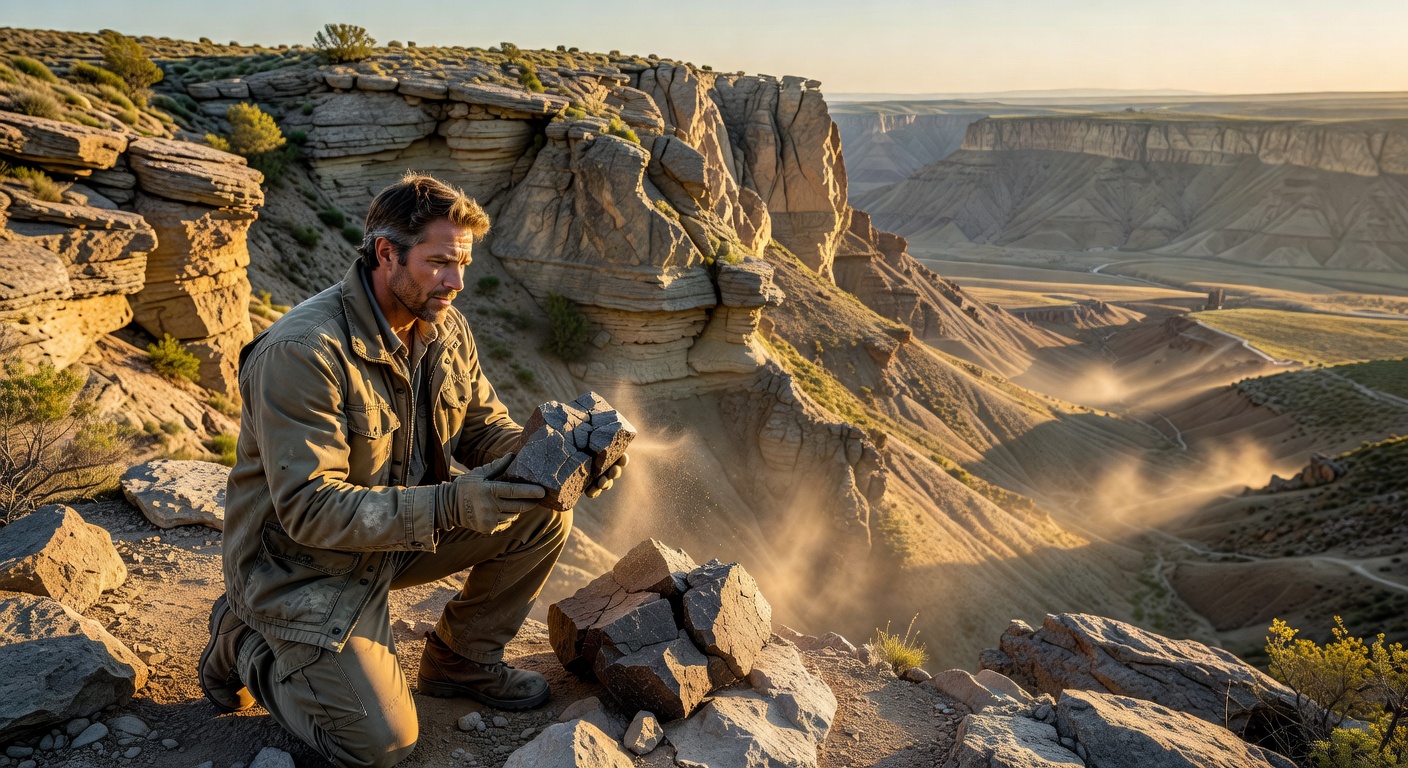
The episode opens with striking footage of Los Cuernos del Paine at 00:00, immediately grounding the discussion in real-world geology. Host Dr. Phil Torres uses this Patagonian landscape to illustrate how different rock types coexist and evolve, setting an engaging visual tone that balances scientific rigor with scenic appeal. The choice of this dramatic Andean setting is particularly effective because it showcases exposed strata that reveal millions of years of tectonic activity, inviting viewers to connect abstract concepts to tangible landscapes they might encounter in travel or environmental documentaries. This visual strategy mirrors successful techniques used in BBC Earth productions, where dramatic scenery draws in viewers who might otherwise skip purely diagrammatic content.
Sedimentary Rock Formation
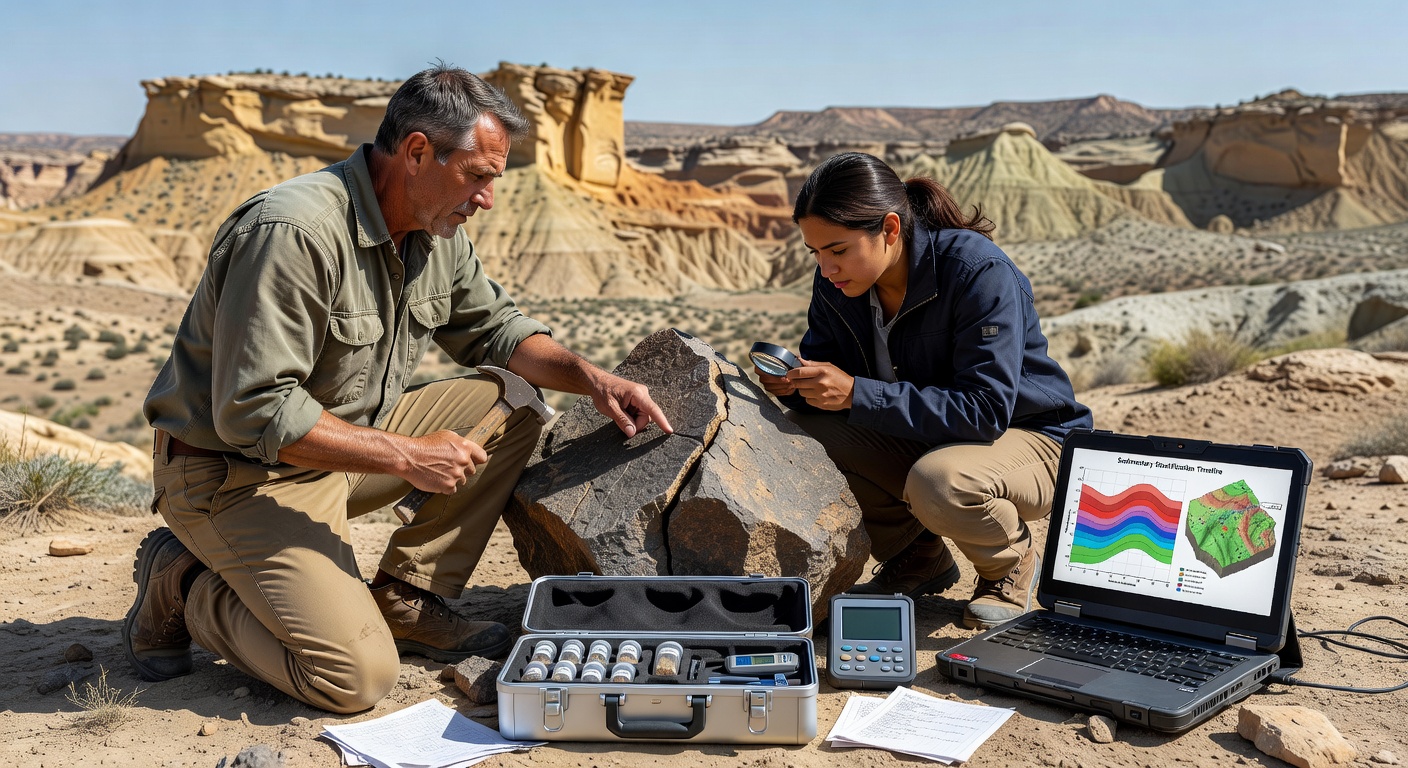
At 2:25, the focus shifts to sedimentary rock. The presentation explains deposition, compaction, and cementation through clear diagrams and examples such as sandstone and limestone. Claims about fossil preservation within sedimentary layers are delivered with measured confidence, supported by straightforward animations that avoid oversimplification. This segment stands out for its emphasis on how sedimentary rocks serve as archives of Earth's biological history, a point reinforced by references to limestone formations that underpin major aquifers worldwide. For instance, the Ogallala Aquifer in the United States relies heavily on limestone and sandstone layers, directly linking geological processes to contemporary water security concerns that affect agriculture across multiple states.
Igneous Rock Processes
Igneous rock formation is covered starting at 4:02. The segment distinguishes intrusive and extrusive types, highlighting magma cooling rates and resulting crystal sizes. Production quality shines here through crisp close-up visuals of granite and basalt specimens, paired with concise narration that maintains viewer attention without unnecessary drama. The visuals effectively demonstrate how rapid cooling produces fine-grained basalt used in modern construction, while slower cooling yields the coarse crystals of granite that form continental crust. Concrete examples include the use of basalt in road paving in volcanic regions like Hawaii and Iceland, where its durability withstands heavy traffic and harsh weather, illustrating practical applications beyond theoretical discussion.
Metamorphic Transformations
Metamorphic processes begin at 5:20, emphasizing heat, pressure, and chemical changes. The video correctly notes transformations like shale to slate and limestone to marble, using before-and-after comparisons that improve comprehension. These examples carry added weight when considering industrial applications, such as marble's role in architecture and slate's durability in roofing. The segment could have delved deeper into regional metamorphism associated with mountain building, yet it still provides a solid foundation that encourages further exploration through linked playlists on plate tectonics.
The Rock Cycle Synthesis
The rock cycle itself is synthesized at 6:19, showing how all three rock categories interconnect through weathering, melting, and uplift. This central sequence uses a clean circular diagram that effectively communicates the continuous nature of Earth's material recycling. Overall tone remains upbeat yet authoritative, with high production values including consistent graphics, well-paced editing, and professional sound design. Timestamps for key transitions help both casual viewers and students navigate the content efficiently. Compared to static textbook diagrams, the animated cycle here better conveys dynamism, reducing common misconceptions that rocks are inert rather than participants in ongoing planetary processes.
Broader Context
Crash Course, founded by brothers John and Hank Green, has established itself as a leading educational brand on YouTube since 2012. The Geology series continues their tradition of pairing subject-matter experts with polished storytelling. This particular episode reflects broader platform trends favoring short-form, visually rich science explainers that perform well in algorithmic recommendations for educational queries. Hank Green's emphasis on evidence-based content has helped the channel navigate YouTube's shifting monetization policies, which increasingly reward watch-time and educational value over sensationalism. Data from YouTube's own creator reports show educational channels gaining 20-30 percent higher retention rates when videos incorporate real-world visuals and expert hosts, a strategy Crash Course has refined across dozens of series.
The creators chose this topic to address common misconceptions about rocks as static objects rather than dynamic participants in planetary cycles. In an era of algorithm-driven content favoring sensational topics, Crash Course prioritizes foundational literacy that supports long-term viewer retention and cross-video engagement within their science playlists. Future implications include potential integration with virtual reality tools that could let students simulate rock transformations in immersive environments, potentially revolutionizing how geology is taught in remote or under-resourced schools.
Impact & Audience Reaction
Early viewer metrics indicate strong engagement, with comments frequently praising the episode's clarity for high-school and introductory college audiences. Many users report using the video as a study aid, while educators share it in classroom settings. The algorithm appears to favor such evergreen educational content, boosting impressions across related searches for "rock cycle" and "geology basics." Culturally, the episode contributes to demystifying Earth sciences at a time when public discourse around resource extraction and climate impacts is intensifying. Comments sections reveal appreciation for the absence of hype, with viewers noting the series' consistent commitment to accuracy over entertainment excess. Broader reach extends to homeschooling communities and international viewers in regions where access to qualified science teachers remains limited, amplifying the video's role in global STEM equity.
Key Takeaways
- - The rock cycle demonstrates continuous transformation among sedimentary, igneous, and metamorphic rocks through well-explained natural processes that underpin resource sustainability and inform debates on mining for green technologies. - Visual examples from dramatic landscapes like Los Cuernos del Paine make abstract concepts tangible and memorable for global audiences, improving retention compared to text-only resources. - Production elements, including precise timestamps and diagrams, improve accessibility for diverse learning styles across age groups and support inclusive education practices. - Crash Course maintains its reputation for balancing entertainment value with scientific integrity across its expanding subject catalog amid evolving platform algorithms that prioritize educational value. - Educational videos of this caliber support broader scientific literacy essential for informed discussions on environmental issues, water resources, and policy decisions affecting communities worldwide. - Platform trends reward structured, expert-led series that encourage repeated views and playlist completion, shaping the future of digital education and potentially influencing funding models for science communication.
Conclusion with Forward-Looking Insight
As Earth science education gains urgency, series like Crash Course Geology position themselves as reliable resources for lifelong learners. Future episodes could further explore intersections with climate science and resource management, helping audiences connect rock-cycle fundamentals to contemporary challenges such as carbon sequestration in geological formations. This measured approach to science communication continues to set a high standard for YouTube's educational ecosystem, potentially influencing how emerging technologies like AI-driven personalization deliver tailored geology lessons to viewers worldwide. By building deeper public appreciation for planetary dynamics, such content may ultimately contribute to more resilient environmental policies and a generation better equipped to navigate resource scarcity.
Source: CrashCourse via YouTube — 2026-05-21T16:01:05+00:00.
- Breaking News Analysis
- World Politics
- Business & Economy
- Technology & AI
- Science & Health
- Environment & Climate
- Culture & Society
- Travel & Tourism
- Sports & Entertainment
- Investigative Journalism
- Opinion & Commentary
- Media & Journalism
- Human Rights & Social Issues
- Education & Knowledge
- Citizen & Amateur Journalism
- Other News Topics

 English
 Arabic
 French
 Spanish
 Portuguese
 Deutsch
 Turkish
 Italiano
 Russian
 Romaian
 Portuguese (Brazil)
 Greek
Greek