


How Hackers Breached An FBI Phone & Mexico City's CCTV
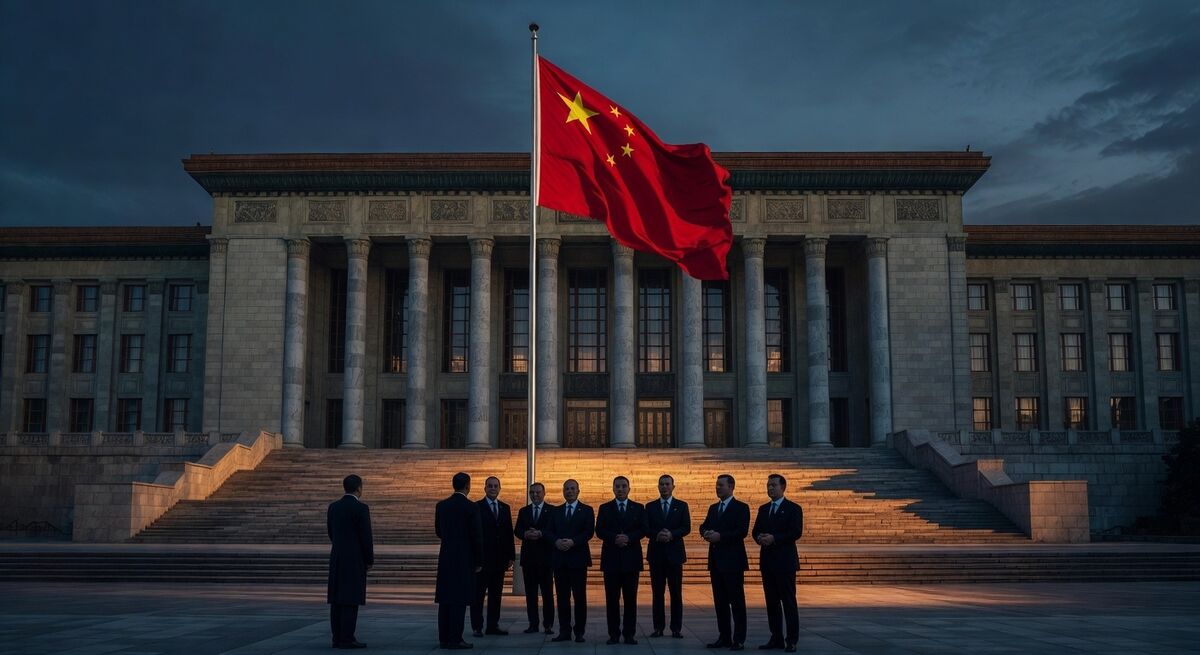
How Hackers Breached An FBI Phone & Mexico City's CCTV
Digital Shadows Over the Americas: Cartel's Cyber Assault Exposes Global Surveillance Culture
In a chilling revelation that dropped just hours ago on May 19, 2026, VICE News' latest episode of Data War—produced in partnership with Proton—pulls back the curtain on a sophisticated cyber operation allegedly orchestrated by Mexico's Sinaloa Cartel. Hackers targeted and breached both FBI-issued mobile devices and Mexico City's vast CCTV network, enabling the cartel to identify, track, and ultimately eliminate informants. This isn't merely another tale of narco-violence; it's a stark mirror reflecting the fragile state of digital trust in an era where technology blurs the lines between protection and predation.
The episode details how these hired digital mercenaries exploited vulnerabilities in encrypted communications and urban surveillance grids. By infiltrating law enforcement phones, the operatives gained real-time access to sensitive informant data. Simultaneously, they commandeered Mexico City's network of thousands of cameras, turning public safety infrastructure into a tool for targeted assassinations. What emerges is a portrait of asymmetric warfare in the digital age, one where criminal organizations wield tools once reserved for nation-states.
From Mexico City Streets to Diaspora Echoes
As someone reporting from Dakar, I can't help but draw parallels to the lived experiences across the African diaspora. In cities from Lagos to São Paulo and even immigrant enclaves in Paris or New York, communities navigate similar tensions between state surveillance and criminal networks. The Sinaloa breaches underscore how digital vulnerabilities don't respect borders. For African diaspora artists and activists, this story resonates deeply with ongoing conversations about data sovereignty and the weaponization of technology against marginalized voices.
Consider the cultural ripple effects. In Senegal, where mobile penetration has skyrocketed, citizens increasingly rely on encrypted apps for everything from political organizing to personal storytelling. Yet reports of similar surveillance creep, whether through government CCTV expansions or foreign tech partnerships, mirror the Mexican scenario. Diaspora creators are responding with powerful art: think of Senegalese filmmaker Aïcha Macky's recent installations exploring algorithmic control, or Brooklyn-based Afro-Latino poets weaving narratives of "digital desaparecidos" into their work. These artistic interventions highlight a shared cultural movement resisting erasure in an age of total visibility.
The Human Cost of Breached Trust
Beyond the technical wizardry, the human toll is devastating. Informants, often from vulnerable communities, become pawns in a high-stakes game they never chose. Families live under constant threat, their digital footprints turned against them. This dynamic echoes historical patterns in Latin America and Africa alike, where state and non-state actors have long used information control to suppress dissent.
The VICE report emphasizes how these breaches weren't crude hacks but meticulously planned operations involving social engineering, zero-day exploits, and insider knowledge. Proton's involvement in the series adds credibility, reminding viewers that even privacy-focused tools aren't immune in the wrong hands. For global audiences, it's a wake-up call: our interconnected world demands cultural shifts toward digital literacy and collective advocacy.
In the African context, this news arrives amid growing movements like the African Digital Rights Network, which pushes for stronger data protection laws modeled on GDPR but adapted to local realities. Young activists in Dakar are hosting workshops on secure communication, drawing inspiration from Latin American counterparts who survived cartel intimidation. Cultural festivals now feature panels on "cyber cartels," blending hip-hop performances with tech demonstrations, a fusion that embodies the diaspora's creative resilience.
Broader Implications for Society and the Arts
What does this mean for cultural production? Surveillance culture is reshaping storytelling itself. Documentarians increasingly anonymize sources with advanced tools, while visual artists create works that critique CCTV aesthetics. In Mexico, street murals now incorporate QR codes leading to encrypted archives of cartel atrocities. Similar expressions are emerging in Johannesburg and Nairobi, where graffiti artists tag surveillance cameras with messages of defiance.
The episode also raises urgent questions about accountability. Who polices the hackers-for-hire? How do international borders complicate prosecution when operations span continents? These issues intersect with diaspora concerns around extradition treaties and the export of surveillance tech to African nations.
As we process this May 2026 development, one truth stands clear: the battle for digital autonomy is fundamentally cultural. It demands we reimagine privacy not as a luxury but as a collective right, defended through art, activism, and policy.
This evolving narrative invites all of us, whether in Dakar's bustling markets or Mexico City's monitored avenues, to question the systems watching us and to build alternatives rooted in trust and transparency.
Source: VICE News via YouTube — 2026-05-19T21:17:52+00:00.
- Breaking News Analysis
- World Politics
- Business & Economy
- Technology & AI
- Science & Health
- Environment & Climate
- Culture & Society
- Travel & Tourism
- Sports & Entertainment
- Investigative Journalism
- Opinion & Commentary
- Media & Journalism
- Human Rights & Social Issues
- Education & Knowledge
- Citizen & Amateur Journalism
- Other News Topics

 English
 Arabic
 French
 Spanish
 Portuguese
 Deutsch
 Turkish
 Dutch
Dutch
 Italiano
 Russian
 Romaian
 Portuguese (Brazil)