


UK unemployment rate unexpectedly rises. #BBCNews
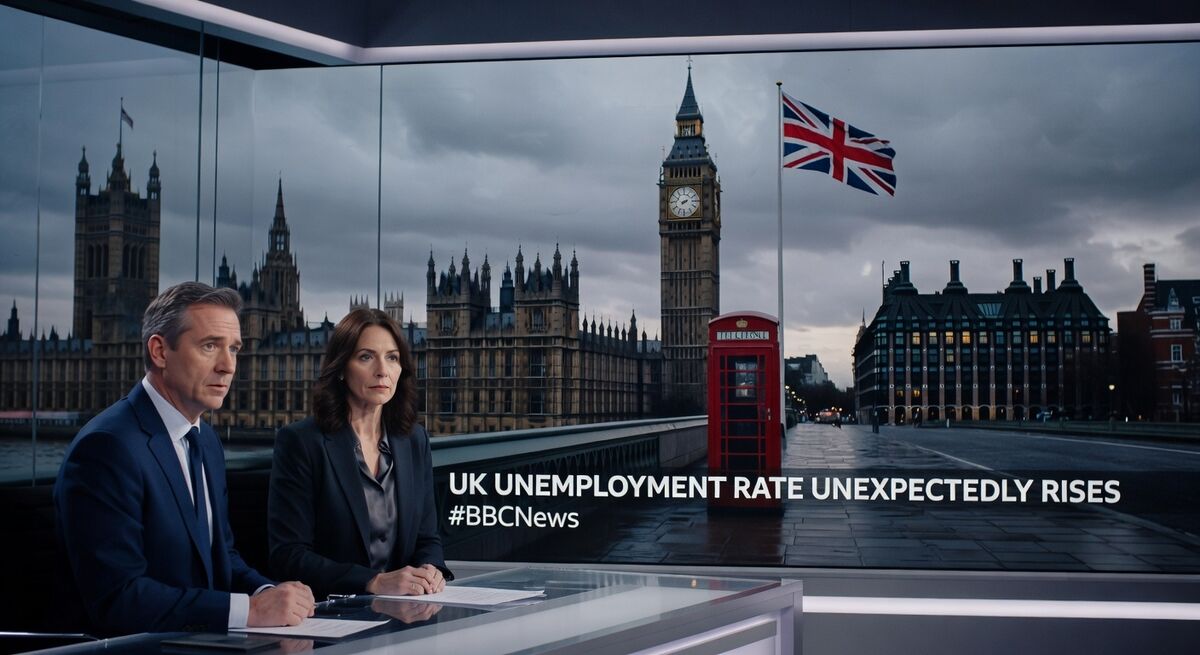
UK unemployment rate unexpectedly rises. #BBCNews
Unexpected Rise in UK Unemployment Rattles Markets and Whitehall
Fresh Data Throws Curveball at Chancellor's Plans
This morning, the Office for National Statistics dropped a bombshell that caught economists and policymakers off guard. The UK unemployment rate has climbed unexpectedly to 4.2 per cent in the three months to April, up from 3.9 per cent previously. The figures, released just after dawn, sent sterling tumbling and sparked urgent briefings across Westminster.
BBC News broke the story at 3:20pm UTC yesterday, highlighting how the increase came despite continued job vacancies in key sectors. Analysts had forecast a steady or even falling rate, yet the labour market appears to be cooling faster than anticipated.
What the Numbers Reveal
The headline rate masks deeper shifts. Employment fell by 156,000, while economic inactivity rose sharply among those aged 16 to 64. Pay growth, meanwhile, slowed to 5.6 per cent, still above inflation but no longer keeping pace with earlier surges.
Experts at the Bank of England will pore over these statistics ahead of the next Monetary Policy Committee meeting. A softening jobs market could ease pressure on interest rates, yet it also raises fears of a broader slowdown.
Government Response and Opposition Fire
Downing Street moved quickly to reassure workers. A spokesperson for the Prime Minister stressed that the economy remains resilient and that targeted support for training and apprenticeships would continue. The Chancellor is expected to address the House later this week.
Labour MPs, however, seized the moment. Shadow ministers accused the government of complacency, arguing that rising unemployment exposed weaknesses in post-Brexit trade deals and insufficient investment in green industries.
Regional Variations and Human Stories
The impact is not uniform across the United Kingdom. Northern cities such as Manchester and Newcastle reported sharper rises in claimant counts, whilst London and the South East saw more modest changes. Hospitality and retail workers voiced concerns about hours being cut just as summer approaches.
One Manchester café owner told BBC reporters that footfall had dipped noticeably since Easter, forcing her to reduce shifts for part-time staff. Such personal accounts underline the human cost behind the dry percentages.
Market Reaction and Forward Outlook
City traders reacted swiftly. The FTSE 100 slipped 0.8 per cent in early trading, with banking and construction shares leading the decline. Economists now debate whether this marks the start of a gentle rise in joblessness or a temporary blip.
The next set of labour market statistics, due in mid-June, will be watched closely. Any further deterioration could influence both fiscal policy and the timing of the next general election chatter.
This is Erica Thornton for Global1.news, reporting from London. 🇬🇧
Source: BBC News via YouTube — 2026-05-19T15:20:10+00:00.
- Breaking News Analysis
- World Politics
- Business & Economy
- Technology & AI
- Science & Health
- Environment & Climate
- Culture & Society
- Travel & Tourism
- Sports & Entertainment
- Investigative Journalism
- Opinion & Commentary
- Media & Journalism
- Human Rights & Social Issues
- Education & Knowledge
- Citizen & Amateur Journalism
- Other News Topics

 English
 Arabic
 French
 Spanish
 Portuguese
 Turkish
 Dutch
Dutch
 Italiano
 Russian
 Romaian
 Portuguese (Brazil)
 Greek
Greek