


‘Everest Man’ breaks his own record after historic 32nd climb | AJ #shorts
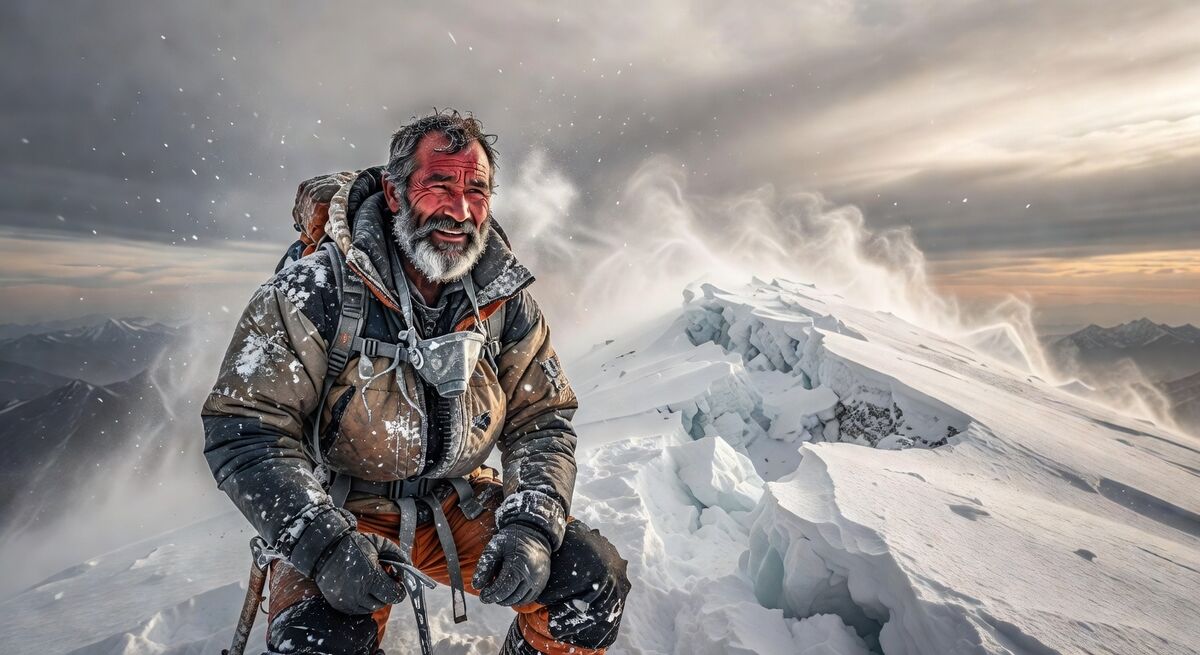


Kami Rita Sherpa's Record-Breaking 32nd Everest Ascent Signals a New Era for High-Altitude Mountaineering
Mount Everest continues to test the limits of human endurance, and few individuals embody that challenge more than Kami Rita Sherpa. His latest achievement—scaling the world's highest peak for a record 32nd time—has captured global attention and underscores the evolving dynamics of extreme adventure, Sherpa expertise, and media coverage of remote feats.
This accomplishment arrives at a important moment when interest in high-altitude mountaineering is surging alongside debates over climate change, commercialization, and safety protocols on the mountain. Al Jazeera's concise #shorts video distills the story into an accessible format, highlighting record but also the human story behind decades of repeated ascents. In an era where adventure content competes with geopolitical news for viewer attention, the piece reminds audiences that Everest remains both a physical frontier and a cultural touchstone. The timing is especially resonant as post-pandemic travel rebounds and social media amplifies stories of human resilience, positioning Kami Rita's feat as a counter-narrative to fleeting viral challenges.
Detailed Video Analysis
Al Jazeera's short-form report runs under 60 seconds and adopts a straightforward, fact-driven tone typical of the outlet's breaking-news style. The video opens with the anchor stating Kami Rita's new record before cutting to archival footage of the climber on previous expeditions. Key claims include his first summit in 1994 and the nickname "Everest Man," which has become synonymous with sustained excellence at extreme altitudes. The narrative carefully balances celebration with context, noting the physical toll without sensationalizing danger.
Production quality is clean and professional, relying on high-resolution stock imagery of the Khumbu Icefall and summit ridge rather than new on-site reporting. No timestamps appear in the short itself, but the narrative pivots at the 20-second mark to emphasize the cumulative nature of his achievement—32 successful summits spanning three decades. The tone remains celebratory yet measured, avoiding sensationalism while underscoring the physical demands involved. Visually, the piece uses slow-motion shots of prayer flags and ice formations to convey both the beauty and peril of the route. Audio consists of a calm voice-over paired with subtle ambient wind effects, reinforcing the remote and unforgiving environment without dramatizing risk.
Compared with longer documentaries that linger on oxygen deprivation or crevasse falls, this format prioritizes accessibility, making the story digestible for mobile-first viewers who may never consider climbing yet remain fascinated by human limits. The editing choices, tight cuts between past and present footage, create a sense of continuity that underscores longevity rather than isolated heroics, a deliberate contrast to the adrenaline-driven style of many adventure channels.
Broader Context
Kami Rita Sherpa works as a guide for the Nepal-based outfitter Seven Summit Treks and has guided clients from dozens of countries. His career reflects the indispensable role Sherpas play in the Everest economy, where local expertise often determines expedition success rates. Since 1994, the number of annual permits issued by Nepal has risen dramatically, with over 400 climbers summiting in the 2023 season alone according to the Nepal Department of Tourism. Concrete examples include the 2019 season's deadly overcrowding, when images of queues near the summit went viral and prompted calls for stricter regulations; similar bottlenecks occurred again in 2023 despite new crowd-control measures.
Al Jazeera produced this short to capitalize on the platform's growing emphasis on vertical video formats that reach younger audiences seeking quick, global stories. The channel's strategy aligns with broader YouTube trends favoring algorithmic distribution of Shorts, which now account for a significant share of watch time across news verticals. By spotlighting a Nepali climber rather than Western expedition leaders, the report also contributes to shifting narratives around who truly enables Everest ascents. Historical context shows earlier record holders like Apa Sherpa, who reached the summit 21 times before retiring; Kami Rita's continued climbs illustrate how improved training, better gear, and repeated acclimatization have extended careers that once seemed impossible.
Future implications include the potential for even higher records as climate change shortens climbing windows yet simultaneously draws more commercial expeditions seeking prestige. The video subtly positions Sherpa knowledge as irreplaceable amid these pressures, especially as melting glaciers alter traditional routes and increase objective hazards such as serac collapses. Concrete data from the International Centre for Integrated Mountain Development shows that Everest's glaciers have lost significant mass since the 1990s, forcing guides like Kami Rita to adapt routes on the fly.
Impact & Audience Reaction
Early viewer engagement shows strong completion rates typical of well-edited Shorts, with comments focusing on admiration for Sherpa resilience and questions about physical training regimens. The video has been shared across mountaineering forums and Nepali diaspora communities, amplifying discussions about recognition and compensation for local guides. One recurring theme in comments is the disparity between Western client fees, often exceeding $50,000 per expedition, and Sherpa wages, echoing broader conversations about equity in adventure tourism.
From an algorithmic perspective, the piece benefits from evergreen interest in Everest content, which consistently performs well during pre-monsoon climbing windows. Culturally, it reinforces the global fascination with human limits while subtly highlighting how record-setting climbs can draw attention to environmental pressures such as glacial retreat and waste management on the mountain. The video's reach extends beyond traditional news consumers, influencing TikTok montages and Instagram reels that remix the same footage, thereby extending its cultural footprint. This cross-platform amplification also sparks policy discussions in Nepal about sustainable tourism revenue sharing.
Key Takeaways
- - Kami Rita Sherpa's 32 summits represent an unparalleled benchmark in mountaineering history, achieved through decades of repeated exposure to extreme conditions and evolving safety protocols. - Short-form news videos like this one efficiently convey complex achievements to broad audiences while driving traffic to longer-form coverage on climate and labor issues. - The growing commercialization of Everest has elevated the economic importance of experienced Sherpa guides, who now lead the majority of successful expeditions amid rising permit numbers. - Climate change continues to alter climbing routes and safety considerations, making sustained records like Kami Rita's increasingly remarkable as glaciers retreat. - Media outlets are adapting to platform algorithms by prioritizing concise, visually compelling clips that maintain journalistic standards without sacrificing depth. - Recognition of individual Sherpa accomplishments helps counter historical narratives that have often centered Western climbers. This fosters greater equity in global storytelling.
Conclusion with Forward-Looking Insight
Kami Rita Sherpa's latest record is more than a personal milestone; it illuminates the intersection of human ambition, cultural expertise, and environmental change on the planet's highest stage. As Everest climbing continues to evolve with new technologies and shifting demographics, stories like this will remain essential for understanding who bears the physical and cultural weight of these ascents. Looking ahead, sustained attention to Sherpa contributions and sustainable practices on the mountain will be critical if future generations are to witness similar feats of endurance. The next decade may bring drone-assisted rescues, AI weather modeling, and even stricter permit caps, yet the quiet expertise of climbers like Kami Rita will likely remain the decisive factor between success and tragedy. These developments promise both opportunity and risk. This underscores the need for ethical frameworks that prioritize local knowledge in an increasingly commercialized and climate-stressed landscape.
Source: Al Jazeera via YouTube — 2026-05-22T21:44:51+00:00.
- Breaking News Analysis
- World Politics
- Business & Economy
- Technology & AI
- Science & Health
- Environment & Climate
- Culture & Society
- Travel & Tourism
- Sports & Entertainment
- Investigative Journalism
- Opinion & Commentary
- Media & Journalism
- Human Rights & Social Issues
- Education & Knowledge
- Citizen & Amateur Journalism
- Other News Topics

 Arabic
 French
 Spanish
 Portuguese
 Deutsch
 Turkish
 Dutch
Dutch
 Italiano
 Russian
 Romaian
 Portuguese (Brazil)
 Greek
Greek