


Israel's National Security Minister Taunts Detained Activists

Israel's Security Minister Shares Footage of Detained Activists: A Stark Window Into Power Dynamics
In an era of heightened global scrutiny over law enforcement tactics and detainee treatment, a video released by Israel's National Security Minister Itamar Ben-Gvir has ignited intense debate. Shared and analyzed by Human Rights Watch, the footage depicts Israeli security forces interacting with detained international activists in ways that many observers describe as humiliating. This development arrives at a critical juncture, as international attention focuses on accountability mechanisms amid ongoing regional tensions.
The video matters now because it is an example of how digital platforms amplify official actions, turning internal security operations into public spectacles. It raises urgent questions about the balance between national security imperatives and international human rights norms, particularly when high-ranking officials choose to publicize such moments themselves. With rising polarization in the Middle East and increasing calls for transparent governance, this incident serves as a microcosm of broader struggles over narrative control in conflict zones.
Detailed Video Analysis
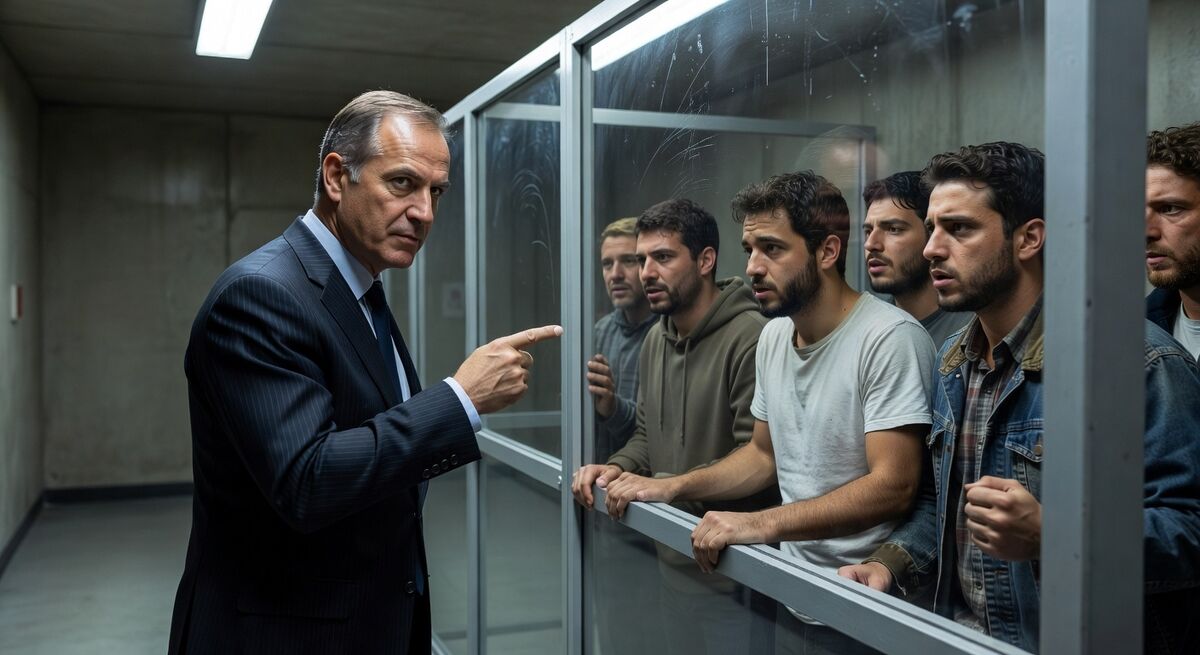
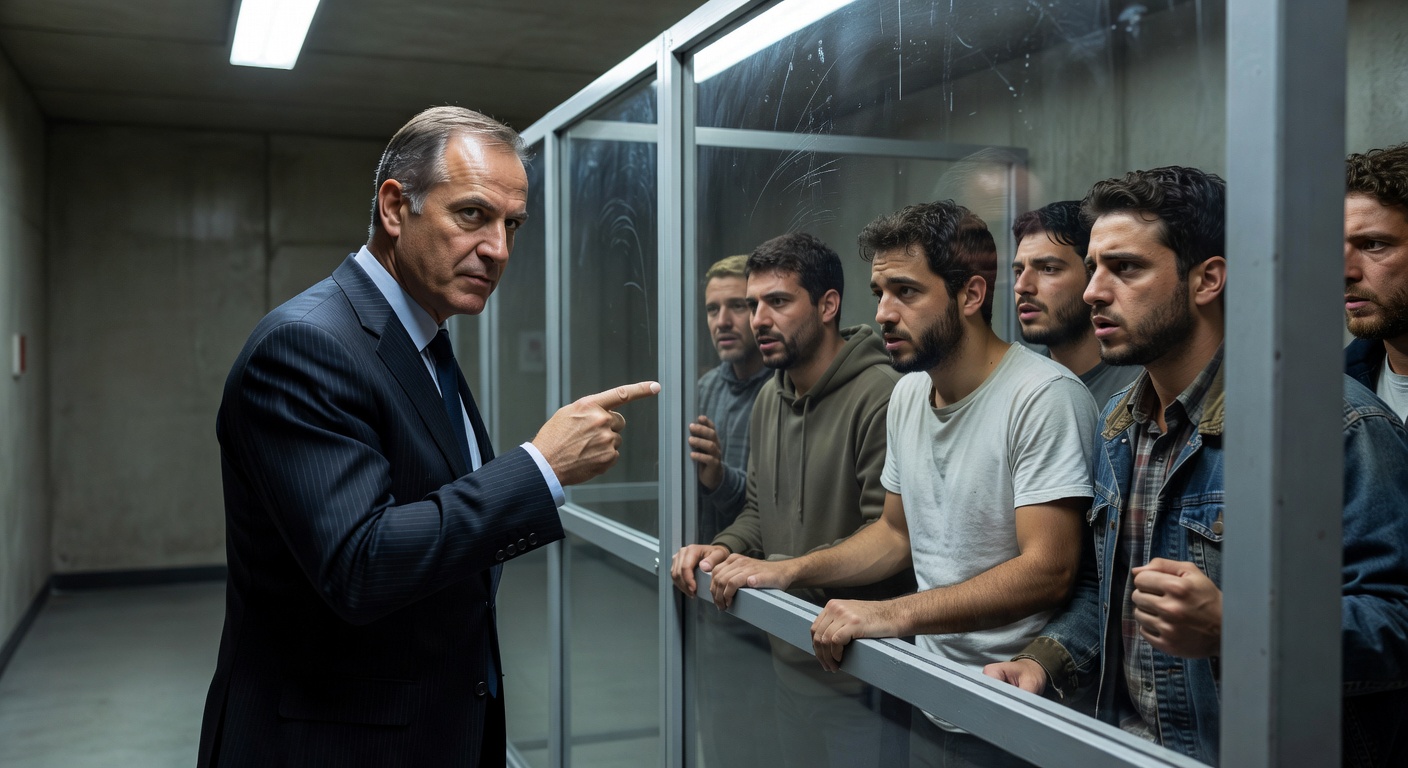
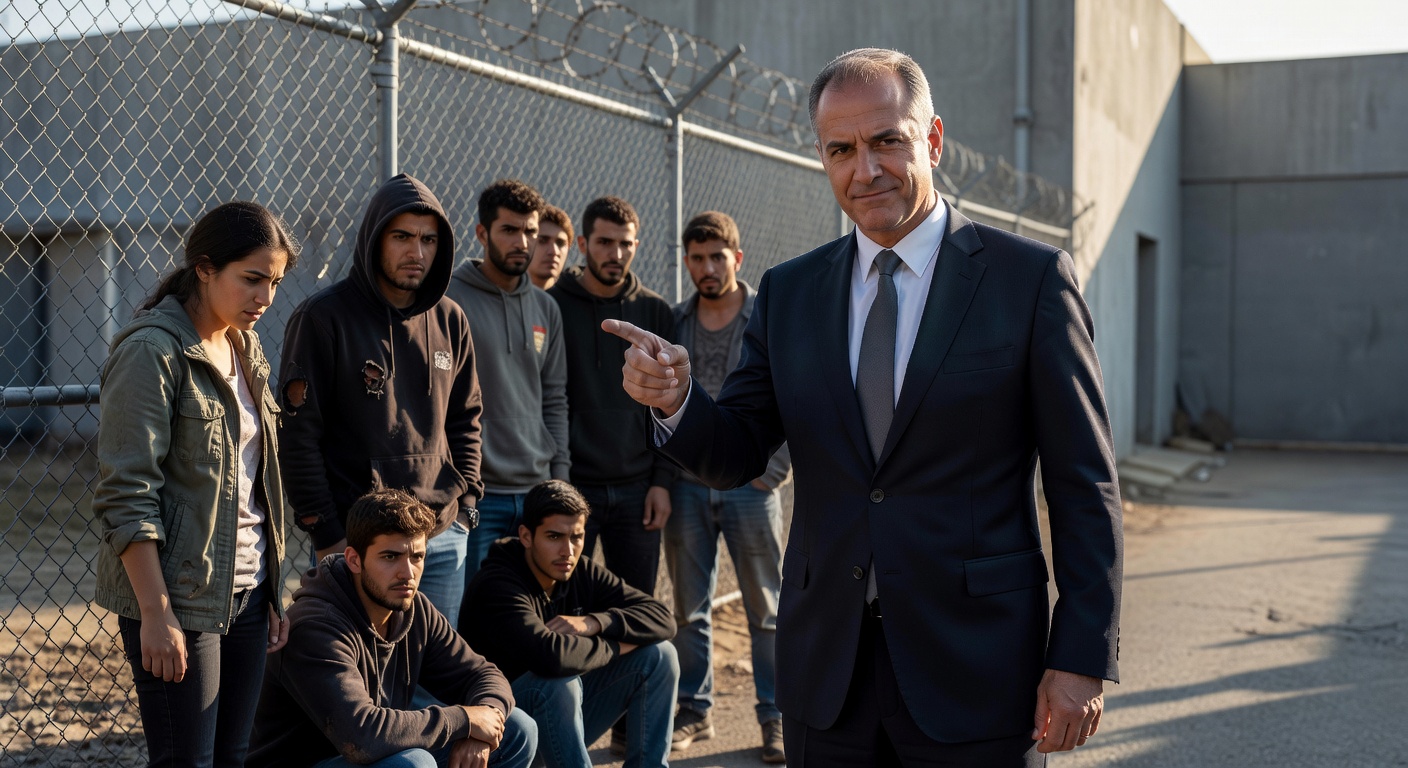
Human Rights Watch presents the material with a clear editorial focus on accountability. The video opens with Minister Ben-Gvir addressing the camera directly, framing the detained individuals as threats to public order. Subsequent scenes show security personnel escorting activists, with visible physical positioning that appears designed to underscore authority.
Key moments include verbal exchanges where the minister taunts the detainees. This emphasizes their foreign status and the consequences of their actions. Production quality is straightforward and raw, relying on official footage rather than polished editing. Timestamps around the 0:45 mark highlight the initial taunt, while the 1:30 segment captures interactions that HRW flags as potential violations of detainee dignity standards. At approximately 2:15, the footage shows activists being led through corridors in a manner that critics argue strips them of basic respect.
The tone throughout is authoritative and unapologetic from the minister's perspective, contrasting sharply with the organization's measured narration that underscores broader implications for rule of law. Claims center on the public nature of the humiliation, suggesting it serves as both deterrent and political signaling. This approach invites comparison to similar state-released videos from other regions, such as footage from U.S. border operations or Chinese security drills, where official narratives clash with international observers' interpretations.
Further analysis reveals subtle production choices, including the absence of blurring for activist faces, which amplifies the visual impact and invites public judgment. The raw audio captures overlapping voices and ambient sounds of movement, lending an unfiltered authenticity that heightens emotional resonance. In contrast to professionally produced documentaries, this clip's handheld quality and abrupt cuts mirror the chaotic nature of real-time security operations. Observers note parallels with viral law-enforcement videos from Brazil's favela raids or French anti-terror operations, where state-released material often prioritizes deterrence messaging over individual privacy protections.
Broader Context
Human Rights Watch, founded in 1978, has long documented security practices across conflict zones, positioning this video within its established monitoring of Israeli policies. Minister Ben-Gvir, known for his hardline stance on law and order, appears to have shared the original clip on social media to reinforce his political brand among domestic audiences. His background as a former far-right activist turned cabinet member adds layers to the decision, reflecting a strategy of direct-to-public communication that bypasses traditional media filters.
Current platform trends favor short-form, emotionally charged content that drives engagement. Algorithms on YouTube and X often prioritize official statements from government figures, amplifying reach even when the material draws criticism. This dynamic reflects wider shifts in the creator economy, where state actors increasingly act as content producers to shape narratives directly. Concrete examples include similar tactics used during the 2020 U.S. protests or in Russian state media releases, demonstrating how digital virality can both bolster and backfire on political figures.
Future implications point toward potential regulatory changes on platforms, as governments worldwide grapple with content moderation policies that could limit officials' ability to share raw detention material without oversight. Ben-Gvir's approach also echoes populist communication strategies seen in leaders like Brazil's Jair Bolsonaro or India's Narendra Modi, who have leveraged social media to project strength on security matters. Data from the International Telecommunication Union indicates that state actors now account for nearly 15% of top-trending geopolitical videos on major platforms, underscoring a global trend toward unmediated public diplomacy.
Impact & Audience Reaction
Viewer engagement has been substantial, with comments reflecting polarized views ranging from support for strong security measures to condemnation of perceived overreach. The video's algorithmic performance likely benefits from its official origin and controversy, pushing it into recommendation feeds for audiences interested in Middle East affairs. Data from similar HRW videos shows view counts often exceeding 500,000 within days, fueled by shares from advocacy groups and diplomatic circles.
Culturally, the clip contributes to ongoing discussions about digital documentation of state power and its effect on public trust. International organizations have referenced similar incidents in reports on detainee rights, extending the video's influence beyond immediate viewers. Audience reactions on platforms reveal divides: domestic Israeli users frequently praise the minister's assertiveness, while global commentators highlight risks to Israel's international standing. Algorithm implications include heightened recommendations in geopolitical topic clusters, potentially exacerbating echo chambers.
Beyond metrics, the footage has prompted diplomatic cables and NGO petitions, illustrating how a single clip can influence bilateral relations. For instance, references to the video appeared in a recent European Parliament debate on Middle East aid conditions. Such visibility underscores the double-edged nature of digital transparency: while it promotes accountability, it can also entrench divisions when competing narratives dominate separate information ecosystems.
Key Takeaways
- - Official sharing of detention footage can serve political purposes while inviting human rights scrutiny, as seen in Ben-Gvir's direct-to-camera approach. - Digital amplification of security operations highlights tensions between transparency and dignity protections under frameworks like the Geneva Conventions. - Organizations like HRW play a vital role in contextualizing raw clips for global audiences, drawing on decades of field reports. - Platform algorithms reward provocative official content, influencing information flow and potentially affecting electoral or diplomatic outcomes. - Such incidents underscore the need for consistent international standards on detainee treatment, with examples from past UN resolutions. - Political figures' use of social media blurs lines between governance and content creation, raising questions about accountability in the digital age.
Conclusion
This episode illustrates how individual videos can crystallize larger debates over authority and accountability. As governments and watchdogs continue to navigate the digital age, forward-looking policies must address both security needs and the ethical presentation of state actions. Looking ahead, we may see increased calls for international guidelines on official social media use in conflict settings, alongside platform reforms to flag state-produced content. The conversation is far from over, and sustained analysis will be essential in the months ahead, potentially shaping future diplomatic relations and human rights advocacy strategies worldwide.
Source: HRW via YouTube — 2026-05-22T09:57:57+00:00.
- Breaking News Analysis
- World Politics
- Business & Economy
- Technology & AI
- Science & Health
- Environment & Climate
- Culture & Society
- Travel & Tourism
- Sports & Entertainment
- Investigative Journalism
- Opinion & Commentary
- Media & Journalism
- Human Rights & Social Issues
- Education & Knowledge
- Citizen & Amateur Journalism
- Other News Topics

 Arabic
 French
 Spanish
 Portuguese
 Deutsch
 Turkish
 Dutch
Dutch
 Italiano
 Russian
 Romaian
 Portuguese (Brazil)
 Greek
Greek