


The surprising role of a giraffe's spots
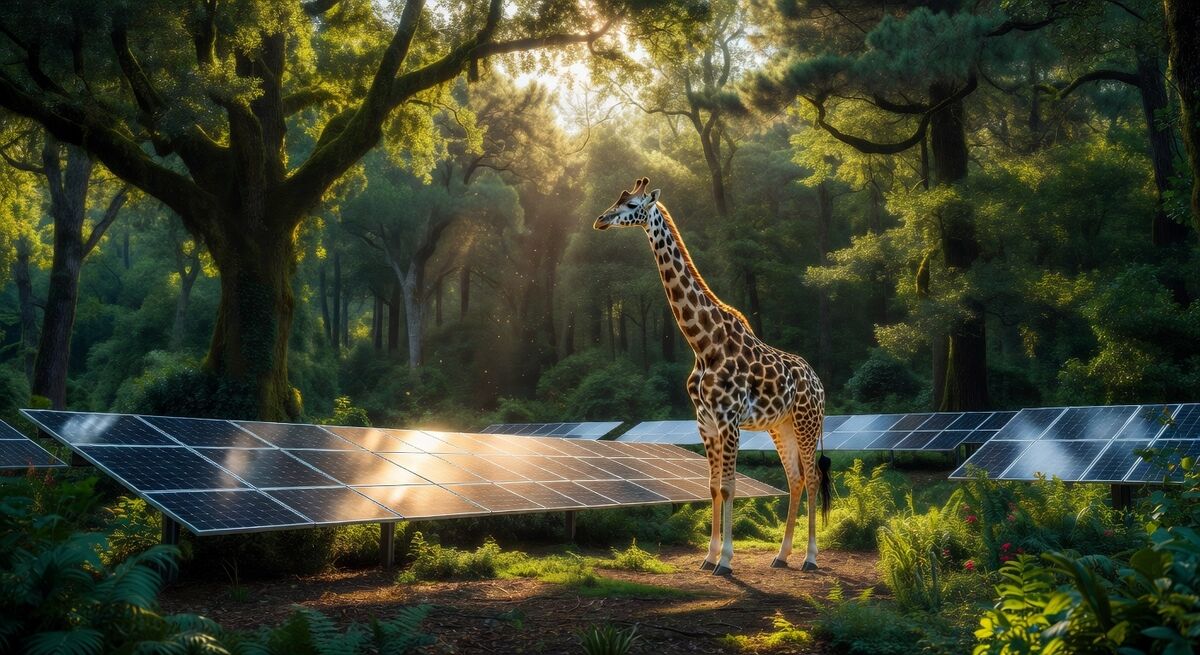
The surprising role of a giraffe's spots
Giraffe Spots: Nature's Hidden Shield Against Climate Extremes
In the vast savannas of Tanzania, a groundbreaking eight-year study has revealed an astonishing connection between giraffe coat patterns and survival rates amid shifting climate conditions. As extreme temperature swings become more frequent due to global warming, these majestic creatures are showing us just how intricate nature's adaptations can be—and why protecting biodiversity must remain central to climate justice efforts.
A Decade of Tracking Reveals Surprising Patterns
Scientists from leading research institutions spent years monitoring hundreds of giraffes across multiple Tanzanian ecosystems. Their findings, recently highlighted in a detailed Vox report published on May 15, 2026, demonstrate that spot size and shape directly influence a giraffe's ability to thrive—or perish, when temperatures plummet.
Calves and adult males sporting larger, more irregular spots exhibited significantly higher survival probabilities during unusually cold periods. This challenges long-held assumptions that giraffe markings serve only camouflage or thermoregulation in hot climates. Instead, the patterns appear to play a critical role in retaining heat or signaling genetic fitness under stress.
"These results underscore how climate variability, intensified by human-driven warming, is reshaping evolutionary pressures on wildlife," notes the study summary. What once seemed like random beauty in nature now carries life-or-death consequences.
Climate Change Amplifies Survival Challenges
While the study focused on cold extremes, it arrives at a important moment when climate models predict greater temperature fluctuations across East Africa. Droughts, heatwaves, and sudden cold snaps are no longer anomalies but recurring threats fueled by fossil fuel emissions and deforestation.
Giraffes, already classified as vulnerable by conservation groups, face habitat fragmentation that limits their ability to migrate toward favorable conditions. Larger-spotted individuals may hold a temporary advantage, but population-level resilience depends on reducing the root causes of these extremes: unchecked pollution from major corporations and governments slow to transition from oil and gas.
This research forces us to confront uncomfortable truths about environmental justice. Communities in Tanzania and across the Global South bear the brunt of biodiversity loss while contributing least to atmospheric carbon. Holding polluters accountable isn't just ethical, it's essential for species like giraffes that serve as indicators of ecosystem health.
Broader Implications for African Wildlife
The giraffe findings echo similar discoveries in other species. Zebras, leopards, and even insects display pattern-based adaptations that scientists are only beginning to quantify under climate stress. In Tanzania's Serengeti and Tarangire regions, where the study took place, rising nighttime temperatures and erratic rainfall compound these pressures.
Conservationists argue that protected areas must expand and connect to allow genetic diversity, including those advantageous spot patterns, to spread. Without swift action on emissions reductions, even well-adapted subpopulations could collapse.
From the Field to Global Policy
As someone who has reported on climate impacts from the Amazon to African grasslands, I see this study as a call to action. It reminds us that climate solutions must integrate wildlife protection, not treat it as an afterthought. International agreements like the Paris Accord need stronger enforcement mechanisms targeting corporate emitters responsible for destabilizing weather patterns.
Local Tanzanian researchers involved in the project emphasize community-led monitoring programs. Empowering indigenous knowledge alongside satellite tracking and AI analysis of coat patterns could accelerate our understanding of these adaptations.
Looking Ahead: Hope Through Science and Accountability
The eight-year dataset provides a rare long-term view, proving that patient fieldwork yields insights impossible through short-term studies. Yet time is running out. With global temperatures continuing their upward trajectory, future cold extremes may give way to prolonged heat that tests different aspects of giraffe physiology.
We must invest in reforestation, renewable energy transitions, and anti-poaching initiatives that safeguard these animals. Every giraffe calf that survives thanks to its unique spots represents a small victory against the larger climate crisis.
By connecting individual adaptations to systemic change, we honor both the science and the urgent need for justice. The spots on a giraffe's coat are more than markings, they are messages from an ecosystem under siege.
This is Elena Vasquez for Global1.news, reporting from Sao Paulo.
Source: Vox via YouTube — 2026-05-15T22:30:12+00:00.
- Breaking News Analysis
- World Politics
- Business & Economy
- Technology & AI
- Science & Health
- Environment & Climate
- Culture & Society
- Travel & Tourism
- Sports & Entertainment
- Investigative Journalism
- Opinion & Commentary
- Media & Journalism
- Human Rights & Social Issues
- Education & Knowledge
- Citizen & Amateur Journalism
- Other News Topics

 Arabic
 French
 Spanish
 Portuguese
 Deutsch
 Turkish
 Dutch
Dutch
 Italiano
 Russian
 Romaian
 Portuguese (Brazil)
 Greek
Greek